
Last updated November 15, 2026
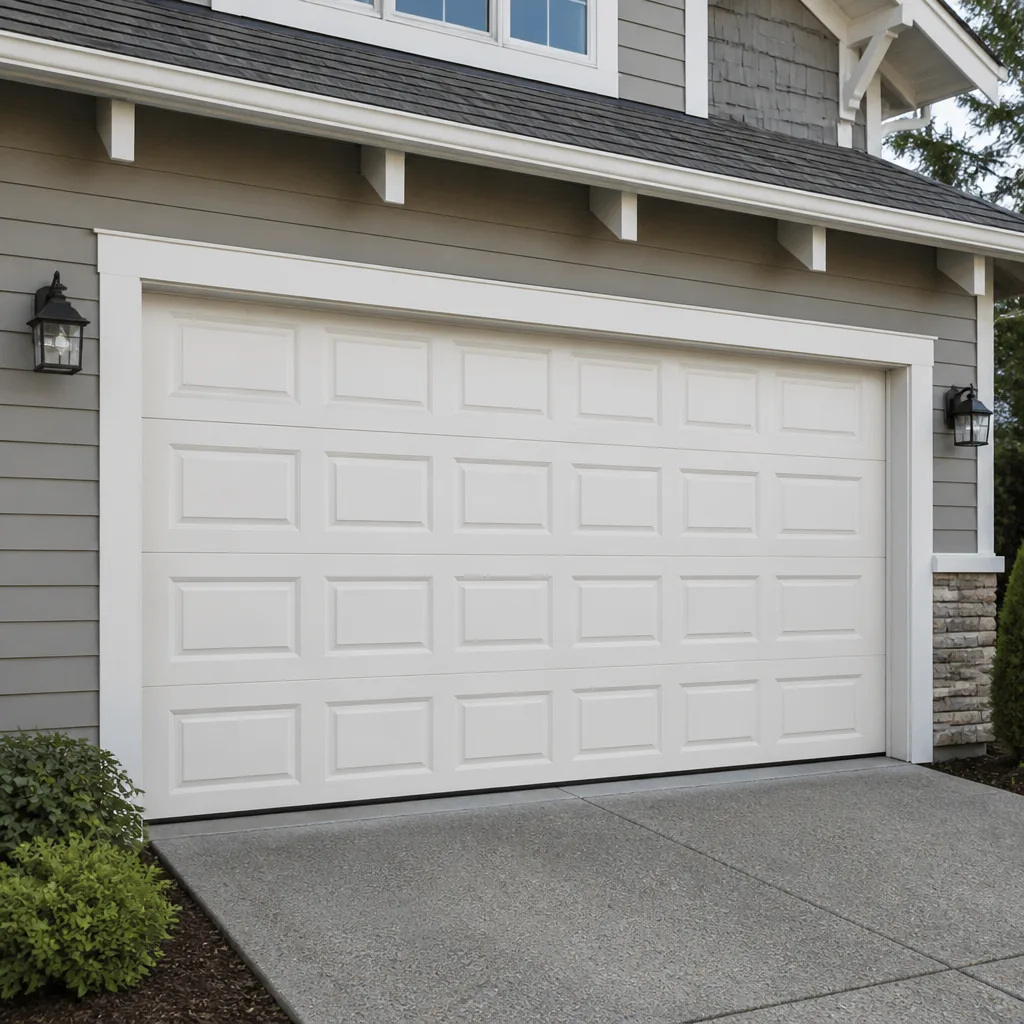 Raised-panel steel
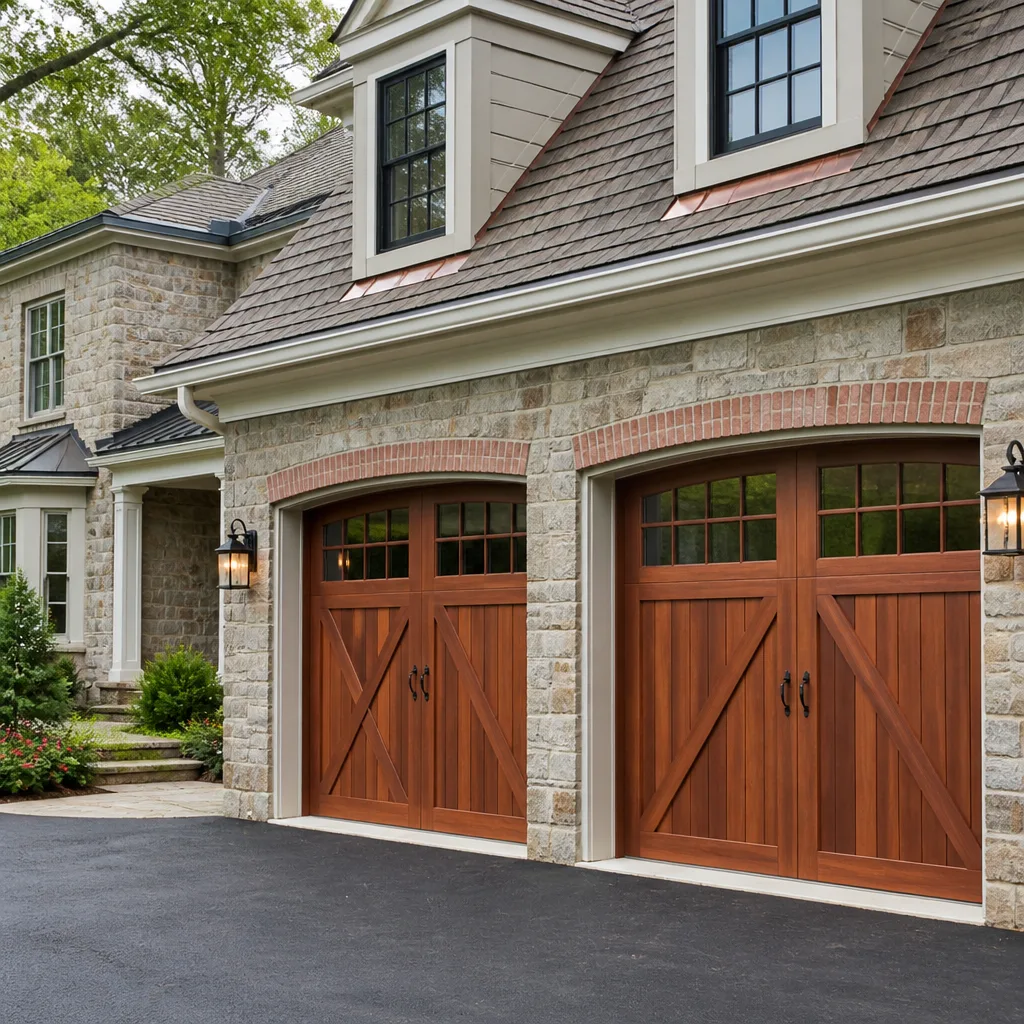 Carriage house
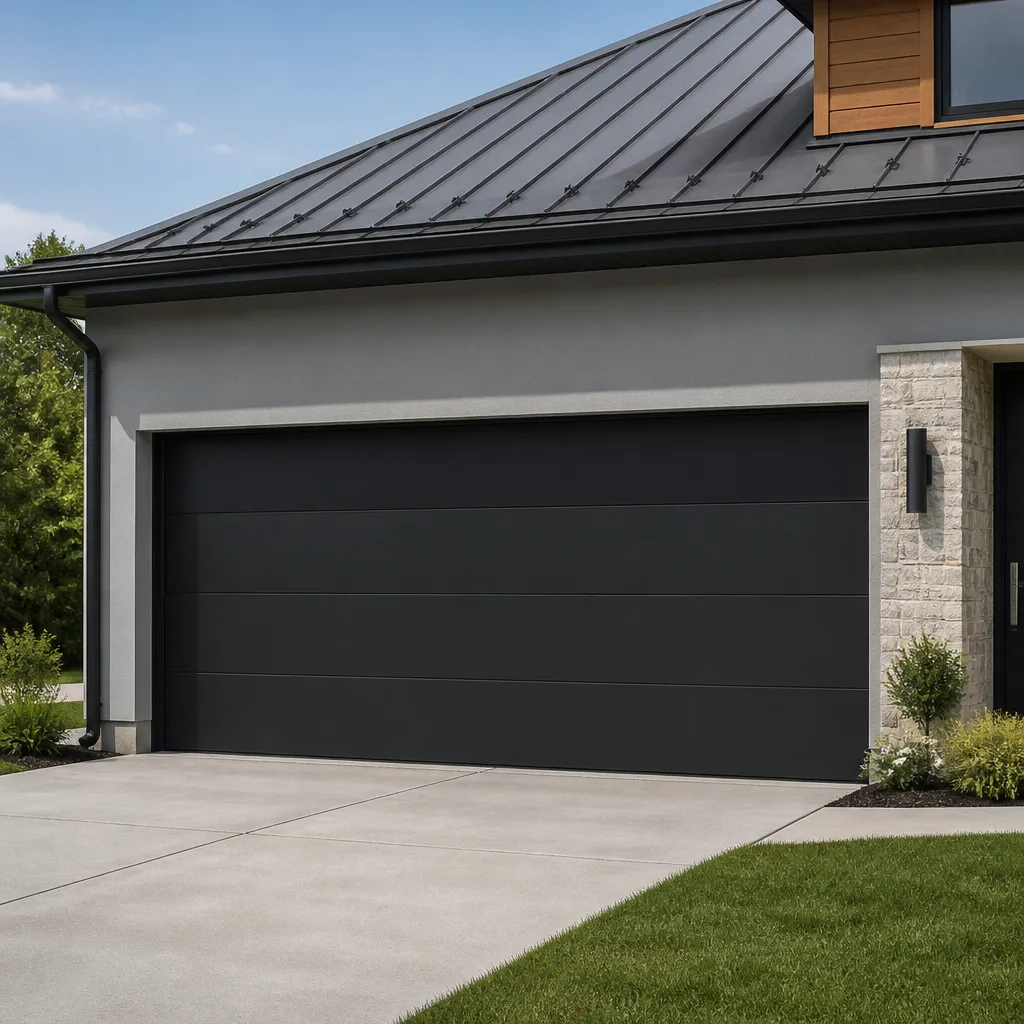 Modern flush
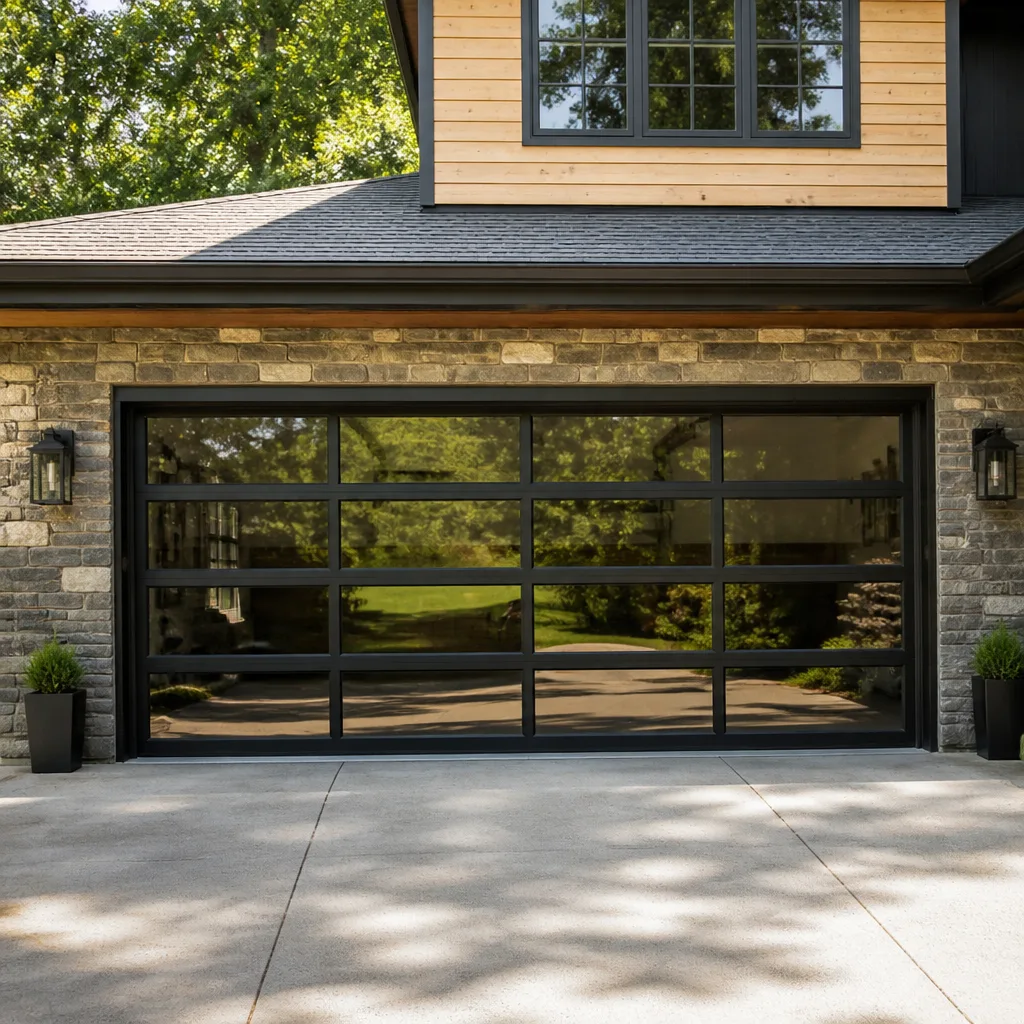 Full-view glass
 LiftMaster openers
 Chamberlain openers
Full 25-point door and opener safety check with every visit - springs, cables, rollers, tracks, and your LiftMaster or Chamberlain opener included
You get a price before we start. It does not change when the pro arrives.
Get your free estimateGarage Door Warning Signs: A Boulder Homeowner’s Reference Guide
Most garage door warning signs don’t get ignored because homeowners are careless. They get ignored because nobody told you which symptoms can wait a month and which mean the door could fail or hurt someone this week. A door that reverses for no apparent reason isn’t being finicky. It’s telling you the spring tension is off or the safety sensors are misaligned, and either problem can escalate to a door that won’t open at all, usually when you’re already late. This guide sorts every common warning sign into three tiers, fix today, fix this month, and monitor, so you know exactly how urgently your Boulder garage door needs attention.
Quick Answer
The most urgent garage door warning signs in Boulder are a door that reverses without obstruction, a snapped spring or frayed cable, a door that comes down unevenly, and any loud bang from the torsion hardware. These mean the door could fail or drop and should be looked at the same day. Grinding, scraping, and slow opener response are usually fix this month. Squeaks, minor seal wear, and light rust belong in monitor and schedule.
Styles & brands we work with
- Raised-panel steel
- Carriage house
- Modern flush
- Full-view glass
- LiftMaster openers
- Chamberlain openers
Table of Contents
- The Three-Tier Urgency System: Fix Today, Fix This Month, Monitor
- What Your Door’s Sounds Are Telling You
- Visual Warning Signs Specific to Boulder Conditions
- Opener Behavior Flags: Mechanical vs. Electrical Causes
- The Warning Signs That Precede a Spring or Cable Failure
- A Seasonal Checklist for Boulder Homeowners
- Common Mistakes to Avoid
- When to Call a Professional
The Three-Tier Urgency System: Fix Today, Fix This Month, Monitor
The biggest mistake homeowners make is treating every garage door symptom the same. Some are cosmetic. Some are early warnings. And some are the door telling you it’s about to fail. Sorting your symptoms into these three tiers is the single most useful habit you can build.
Tier 1 – Fix today. These signs mean the door could drop, bind, or injure someone. Call a professional the same day.
- A door that reverses for no visible reason, or reverses only partway down.
- A loud bang from the torsion bar area, followed by a door that won’t lift.
- A visibly snapped spring, or a cable that’s hanging slack or frayed.
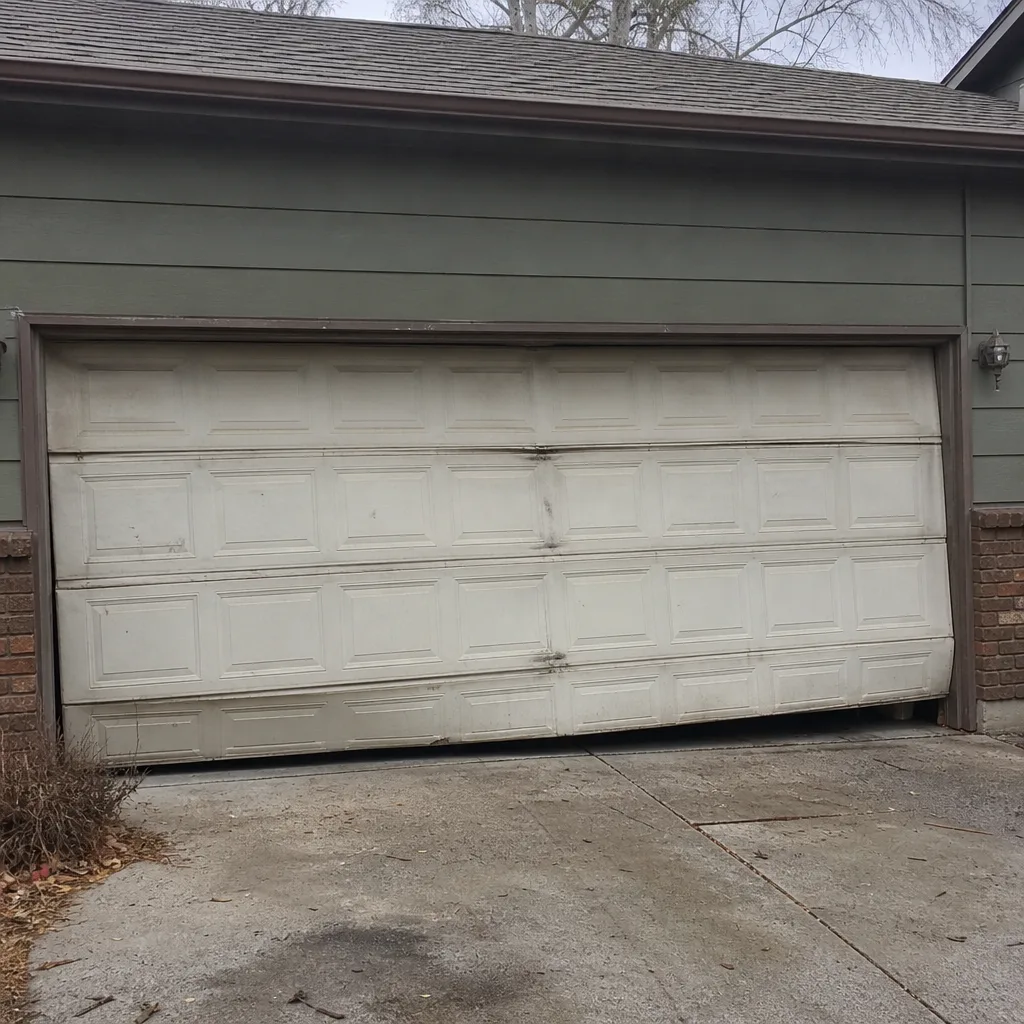
- A door that comes down crooked, with one side clearly lower than the other.
- Any door that won’t stay up when you lift it halfway by hand.
Tier 2 – Fix this month. These are real problems that will get worse, but they don’t carry the same immediate risk. Schedule them within a few weeks.
- Grinding or scraping as the door moves.
- An opener that responds slowly, stalls partway, or needs a second press.
- Tracks that look out of line or have visible gaps at the joints.
- Weather seals that are cracked, brittle, or pulling away from the frame.
Tier 3 – Monitor and schedule. Minor maintenance items. Watch them and handle them at your next service visit.
- Squeaks at the hinges or rollers.
- Light surface rust on the bottom section.
- Fading paint or minor cosmetic wear.
When a symptom crosses from one tier into another, call. A grinding sound that was tier 2 last month and is now accompanied by a sticky track has become a tier 1 issue. Garage door repair in Boulder starts with a proper diagnosis, and that diagnosis sorts the tiers for you.
What Your Door’s Sounds Are Telling You
The noise a garage door makes is one of the most reliable diagnostic clues we have. Each type of sound implicates a different component, and knowing which one points you toward the right fix before anyone arrives.
Grinding
Grinding usually points to worn or dry rollers, a misaligned track, or a torsion spring that’s lost tension. It’s a metal-on-metal sound and it tends to get louder the longer it goes unaddressed. If the grinding starts suddenly and the door also feels heavier, suspect the spring.
Scraping
Scraping is softer and often happens at one point in the door’s travel. It usually means a panel is rubbing against the track, the door is out of square, or a hinge has bent. In Boulder, scraping frequently follows a season of temperature swings that shift the frame slightly.
Popping
A single pop when the door starts moving can be a cable jumping its drum or a torsion spring that’s just about to let go. Repeated popping from one side usually indicates a loose hinge or a roller pulling out of its bracket. Either way, popping deserves a look.
Banging
A loud bang is the most urgent sound on this list. It usually means a torsion spring has snapped. The door will suddenly feel extremely heavy and the opener may not be able to lift it. Stop using it and call for repair the same day. The same applies when a single crack precedes the bang.
If you’re not sure which of these you’re hearing, describe it over the phone. Our technicians have up to 9 years of experience, and the sound alone often narrows the diagnosis before we arrive.
Visual Warning Signs Specific to Boulder Conditions
Boulder’s climate creates a particular pattern of wear that’s different from what you’d see in a milder region. Snowmelt, freeze-thaw cycles, and intense summer UV all leave their marks on a garage door, and some of those marks are warnings while others are just cosmetic.
Rust patterns from snowmelt
Snowmelt running off a car or pooling near the threshold leaves moisture sitting against the bottom section and the tracks. Rust that starts at the base and creeps up the panel edges is common here. A light, even film on a steel door is cosmetic. Pitting along a seam or rust climbing the hinges is not. Check the bottom bracket and the bottom roller for rust, because that’s where moisture collects first.
UV cracking on seals
Boulder’s sun is strong, and it cooks weather seals from the inside out. When a rubber or vinyl seal turns from flexible to brittle, it starts cracking along the bottom edge or pulling away from the frame. That lets in cold air, snow, and small pests. Cracked seals belong in the fix this month tier, before the first hard freeze.
Track misalignment from frost heave
Frost heave shifts the ground under a slab more than most homeowners realize. A garage slab that moves slightly can pull the track out of alignment, which shows up as a gap at a track joint, a door that rubs on one side, or a curve that’s no longer true. Look at the tracks from the side, not from below. If they bend away from the door at any point, that’s tier 2, and it gets worse as the seasons cycle.
Other visual signs to check:
- Dents in a bottom panel that bind against the seal.
- Hinges with worn pin holes, visible as play when you wiggle them.
- Cable drums with cable unevenly wound or overlapping.
- Paint blistering over a seam, which can hide rust beneath.
A door that looks fine from the street can still have a developing problem on the inside, which is why a visual inspection matters alongside a functional one. If you’re in doubt, the team at Boulder Garage Door Service is happy to take a look.
Opener Behavior Flags: Mechanical vs. Electrical Causes
Not every warning sign lives on the door itself. Openers from LiftMaster, Chamberlain, Genie, and other major brands give off distinct behavioral clues, and separating a mechanical fault from an electrical one saves time and money on the repair.
Slow response
If you press the remote and the door takes several seconds to move, the problem could be the remote battery, the wall control, or the opener’s logic board. Swap the remote battery first. If that doesn’t fix it, the signal is being lost somewhere between the remote and the opener, and that’s an electrical issue.
Partial travel
An opener that starts to lift the door but stalls partway is usually fighting a mechanical problem. The door has become too heavy because of a failing spring, or a roller has bound in the track. Sometimes it’s the opener’s travel limit setting, which is an adjustment rather than a repair. A technician can tell which in a few minutes.
Reversal patterns
Reversal is the behavior most often misread. A door that goes down and immediately comes back up has a safety sensor problem or a resistance problem. If the reversing happens at the same point every time, look at the sensor eyes near the floor. If they’re misaligned or blocked by a small object, the opener is doing exactly what it’s designed to do. If the door reverses at random heights, the controller or the door’s own balance is involved.
Other opener flags worth knowing:
- A light flashing on the opener in a pattern, which usually corresponds to a fault code.
- The opener running but the door not moving, which points to a broken spring or a stripped gear.
- The opener getting warm or making a buzzing noise without moving the door.
- Remote range shrinking to under a car length.
When the door and the opener both act up, it can be hard to tell which is causing which. That’s the value of having one technician assess both systems together. Our garage door opener repair covers the electronics alongside the mechanical door, so the problem gets solved in a single visit.
The Warning Signs That Precede a Spring or Cable Failure
Spring and cable failures almost never happen without a warning. The problem is that the warnings are subtle, and they look like something else. These are the signs a trained eye catches and a homeowner usually misses.
Safety note: Torsion springs and cables are under extreme tension. They can release suddenly and cause serious injury. Never attempt to adjust, remove, or replace a spring or cable yourself. This is a job for a trained technician.
The early warning signs:
- A door that feels heavier than it used to. Lift the door halfway by hand with the opener disengaged. A properly balanced door stays in place. If it drops or rises on its own, the spring tension has changed.
- A door that only opens partway. If the opener lifts the door a few feet and stops, the spring may already be broken or badly weakened.
- Visible gaps in the spring coils. A spring should have tight, even coils. A gap of an inch or more means a spring is stretched or about to fail.
- Cables that are slack or look like they’re over the drum. Cables should be taut and neatly wound. A cable hanging loose or crossed is a tier 1 issue.
- A loud crack followed by a door that won’t move. If this happens, stop using the door and keep people and vehicles clear until a technician arrives.
A spring failure doesn’t always come as a bang. Sometimes the spring just quietly stretches and loses tension for weeks before it breaks. Catching the door when it’s still in the “heavier than usual” stage means you can schedule a repair instead of an emergency call. That’s the difference between a same-day visit on your schedule and one when you’re already late for work.
Our technicians are factory-familiar with door hardware from Clopay, Amarr, and other major manufacturers, and they can identify the correct spring or cable for your specific model. Brand familiarity matters here because the right part for your door isn’t always the most obvious one.
A Seasonal Checklist for Boulder Homeowners
Boulder’s seasons stress a garage door in a predictable order. Running a short inspection at each change of season catches problems before they escalate, and it’s the simplest way to keep a door out of the tier 1 category.
Spring
Snowmelt season is the wettest part of the year for a garage. Check for rust at the bottom section and the hinges. Clear any debris that collected around the threshold. Run the door and listen for new noises after a winter of use.
Summer
UV exposure has done its work by now. Check weather seals for cracking and paint for fading. This is also a good time to check the opener’s sensors, since direct sun can interfere with the sensor alignment.
Fall
Before the first hard freeze, look at the track alignment from the side and check that the door closes fully against the seal. Tighten any loose hinges. A door that doesn’t seal properly will let cold air in all winter.
Winter
Keep the bottom seal clear of snow and ice buildup. The door’s weight increases when ice packs under the bottom section, which strains the opener. Watch for frost heave pulling the track out of alignment.
The homeowner inspection that takes ten minutes at each change of season:
- Disengage the opener and lift the door halfway by hand. It should move smoothly and stay in place.
- Look at both tracks from the side for bends, gaps, or misalignment.
- Listen for grinding, scraping, or popping as the door moves.
- Check the bottom seal and the side seals for cracks or separation.
- Press the remote and watch the door fully open and close. Note any slowdown or reversal.
- Test the safety sensors by placing an object in the door’s path. The door should reverse.
A door that passes all six on this list is in good shape. A door that fails one or more is telling you something. If you’re in Boulder and the checklist turns up a tier 1 problem, call us and we’ll book the repair.
Common Mistakes to Avoid
- Treating every symptom the same. A squeak and a snapped spring are not the same problem, and treating them as equal means either wasting money on the small stuff or ignoring the dangerous stuff. Sort by tier and respond accordingly.
- Ignoring a reversing door. A door that reverses on its own isn’t trying to be annoying. It’s either a sensor or a balance problem, and both escalate. In Boulder’s freeze-thaw climate, a small misalignment can become a stuck door within a season.
- Running an unbalanced door on the opener for months. Every cycle of an unbalanced door strains the opener. That turns a spring repair into a spring and opener repair, and the bill follows.
- Skipping the pre-winter check. Fall is the last easy chance to fix a seal or a track issue before a Boulder winter pushes it harder. Homeowners who skip it usually call in January with a bigger problem.
- Assuming a slow opener is a battery problem. Sometimes it is. Sometimes it’s a failing logic board or a binding track. Replacing the remote battery is a fine first step, but if the problem persists, get it diagnosed.
- Trying to adjust a spring or cable yourself. Both are under enough tension to cause serious injury. There is no homeowner-safe way to do this work, and the risk isn’t worth the savings.
- Choosing on price alone. A vague quote from a generalist often means a second visit once the real problem is found. A specialist diagnosis before parts is the cheaper path over time.
When to Call a Professional
Call a professional the same day if your door reverses on its own, if you hear a loud bang from the torsion area, if you see a snapped spring or a slack cable, or if the door comes down unevenly. These are the signs that carry real injury risk and warrant immediate attention. Call within the month if you hear grinding or scraping, if the opener stalls partway, or if the track looks out of line. And call at your convenience for squeaks, seal wear, and light rust.
Boulder Garage Door Service offers free estimates in Boulder, and we quote before any work starts so there are no surprises when the job is done. Call (855) 683-6002. We answer 24/7. Fast dispatch from 7am to 7pm, Sunday through Friday.
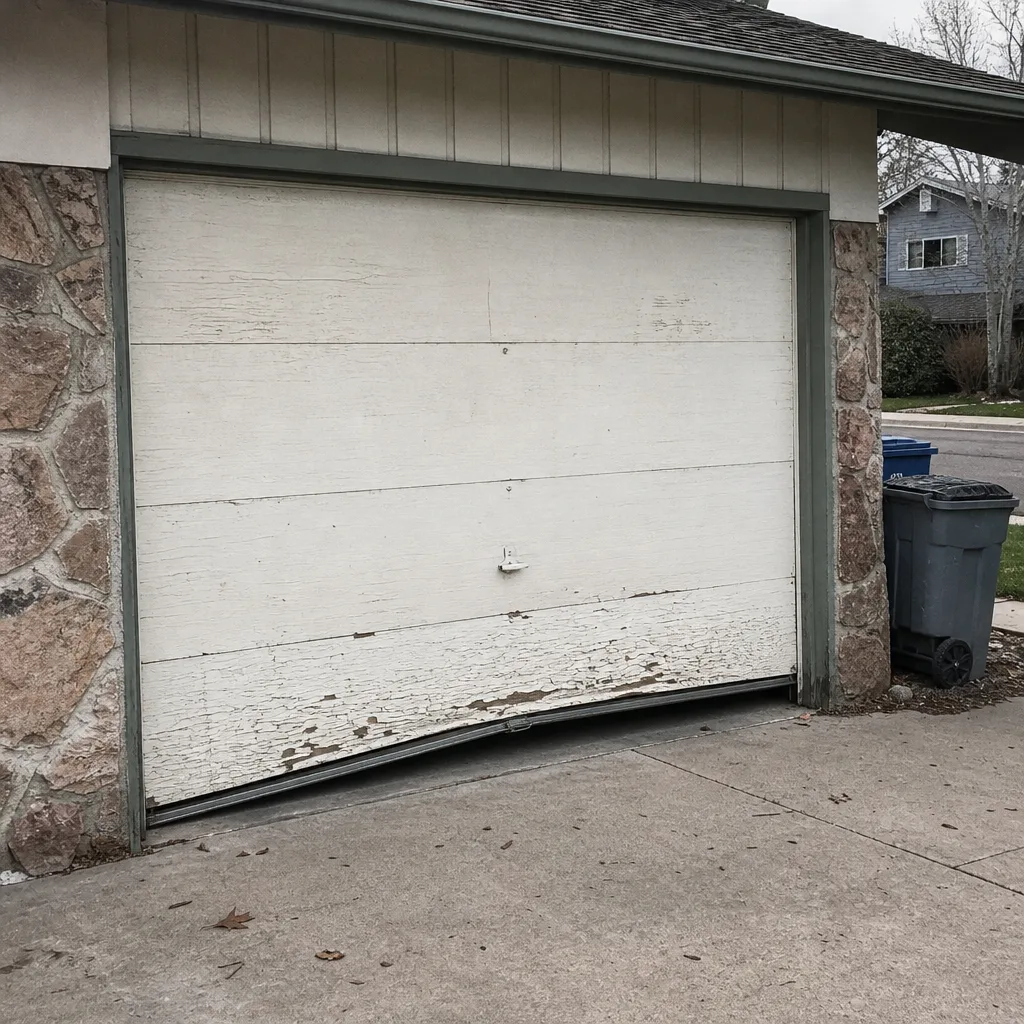
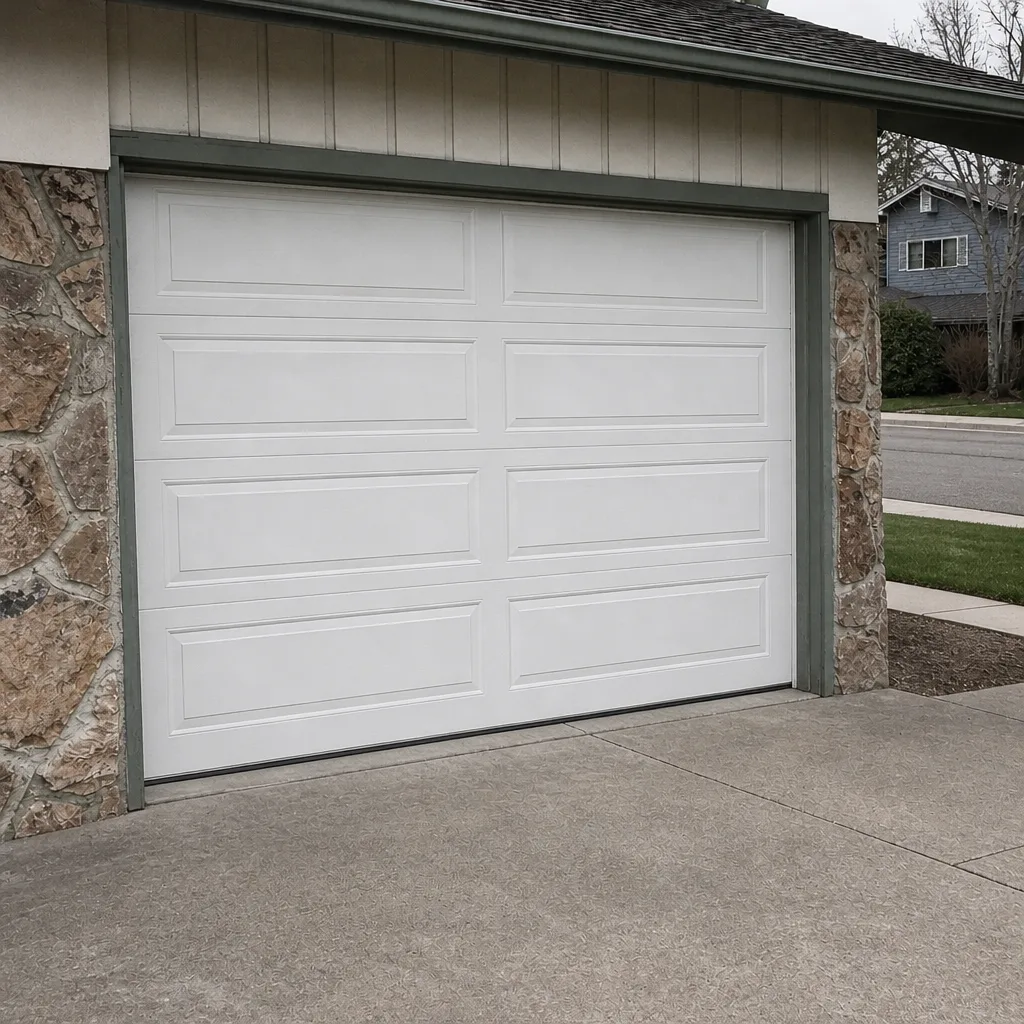
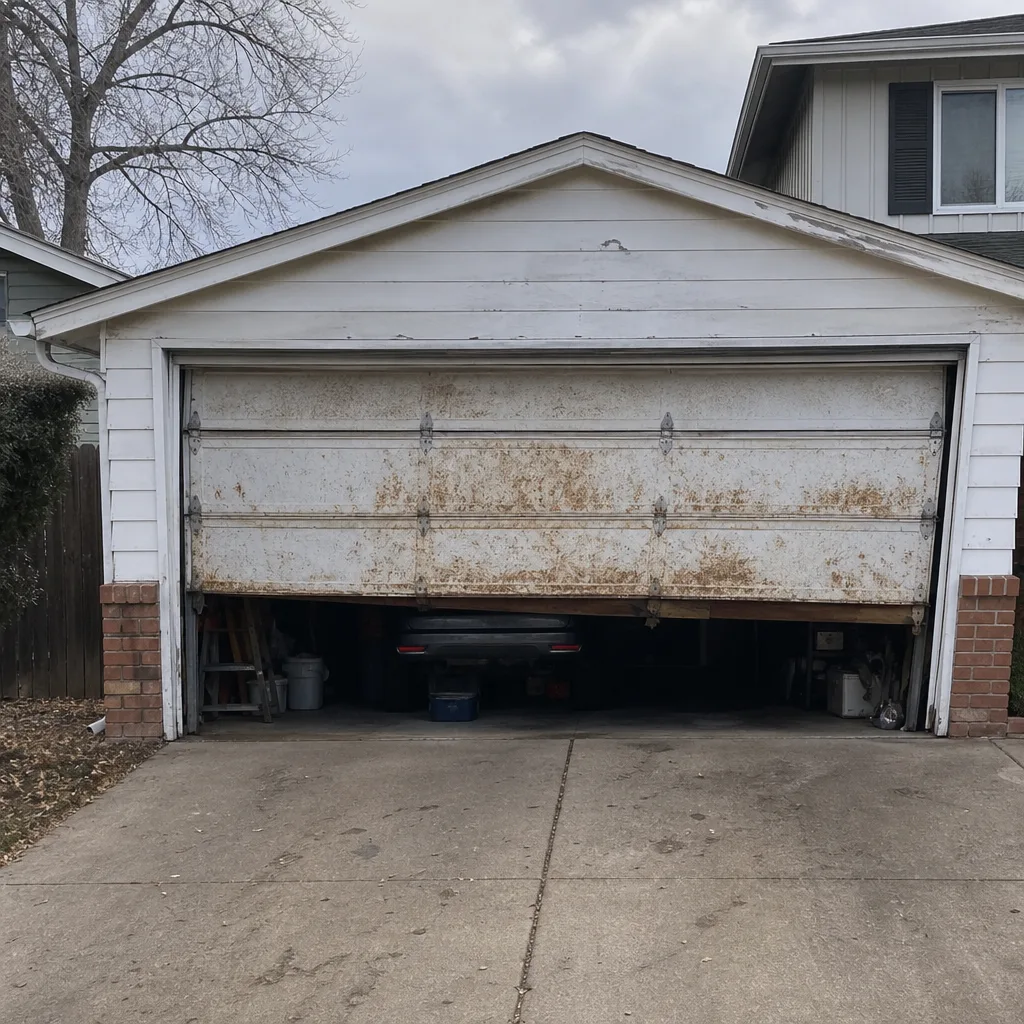
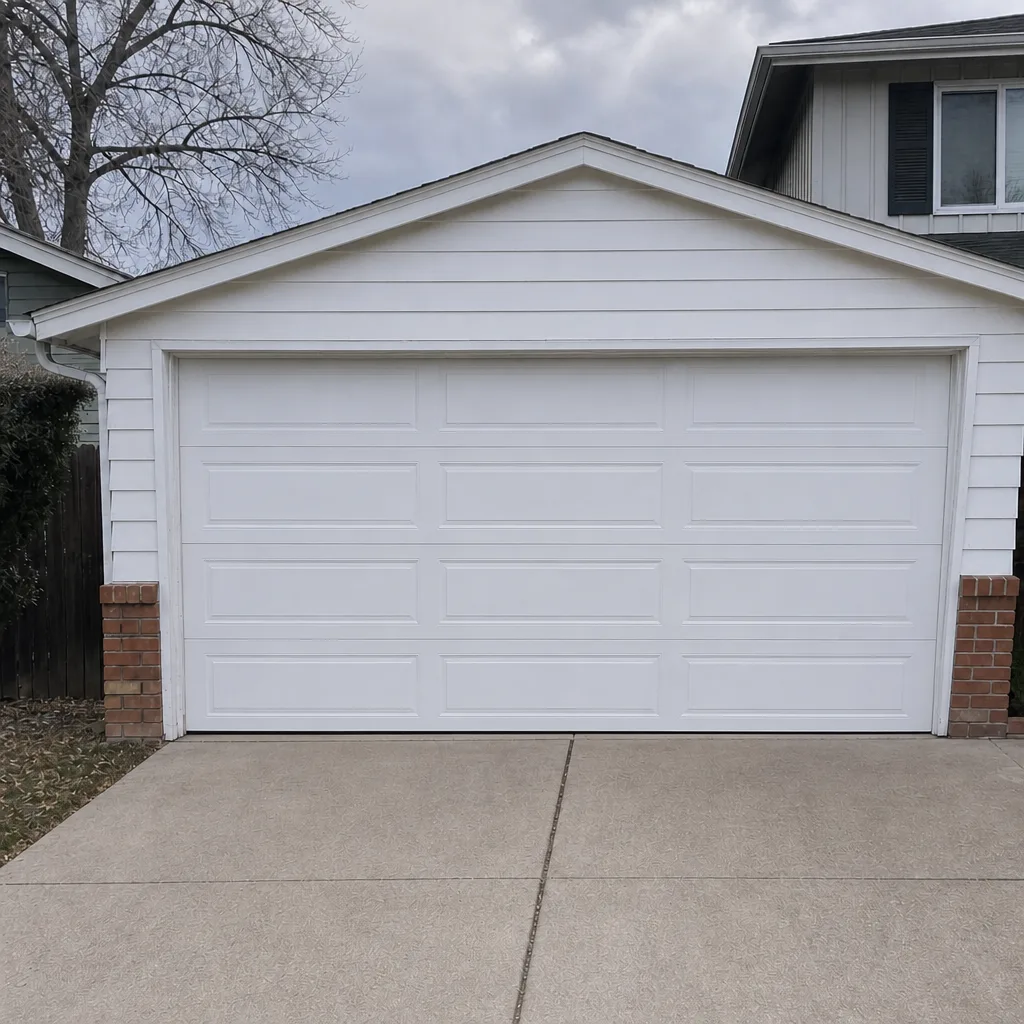
See the difference
 Before
 After
 Before
 After
 Before
 After
Frequently Asked Questions
A snapped torsion spring or a frayed cable is the most dangerous warning sign because both are under extreme tension and can release suddenly. Any loud bang followed by a door that won’t stay up should be treated as an emergency. Stop using the door and call for same-day repair.
Yes, a door that reverses with nothing in its path is serious and should be checked the same day. It usually means the safety sensors are misaligned or the door’s balance has changed. Both can escalate to a door that won’t open at all. Call (855) 683-6002 for an exact quote; estimates are free.
Cold weather thickens lubricants and tightens metal, and Boulder’s freeze-thaw cycles can shift the tracks and the slab slightly. A door that grinds or scrapes more in winter often has a track alignment or a lubrication issue. If the sound is a bang rather than a grind, treat it as a spring problem and call the same day.
You can safely replace the remote battery and clear any obstruction from the door’s path. Beyond that, a slow or stalling door needs a diagnosis, because the cause could be the opener, the spring, the track, or the door’s balance. Adjusting the spring or cable yourself is not safe under any circumstances.
Cost depends entirely on which tier the problem falls into and which parts are involved. There’s no honest single figure because a squeaky hinge and a broken spring are very different jobs. We quote before any work starts, and the written estimate is what you pay. Call (855) 683-6002 for a free estimate.
Call a specialist. Garage doors combine mechanical tension systems and electronic openers, and most handymen aren’t equipped for either. A specialist diagnoses the real problem before quoting parts, which is faster and more accurate. Our technicians have up to 9 years of experience across the major door and opener brands.
Three things tell us the most: whether the door stays up when lifted halfway by hand, whether the tracks look straight from the side, and what the door does when it closes. Knowing these saves time on the diagnosis. You don’t need to measure anything or touch the spring or cable.
No. We quote the job in writing before any work starts, and that written estimate sets the final price. If the diagnosis turns up something different from what was discussed on the phone, we’ll explain what’s involved and re-quote before proceeding. You’ll never be surprised by an invoice higher than the agreed price.
The Bottom Line
Garage door warning signs fall into three clear categories, and the skill that matters most is knowing which one you’re looking at. Safer behavior, a same-day call for reversing doors, bangs, and visible spring damage. A scheduled repair within the month for grinding, stalling, and track misalignment. And a routine eye on the squeaks and seal wear. In Boulder, the seasonal checklist is the easiest way to keep a door out of the first tier entirely. The homeowner who sorts by urgency avoids the worst of the surprises, and the door lasts longer for it.
Whenever you’re not sure which tier you’re in, call. We answer 24/7. Fast dispatch from 7am to 7pm, Sunday through Friday. Closed Saturday. Call (855) 683-6002 for a free estimate from Boulder Garage Door Service.
Written by the team at Boulder Garage Door Service.