
Last updated November 15, 2026
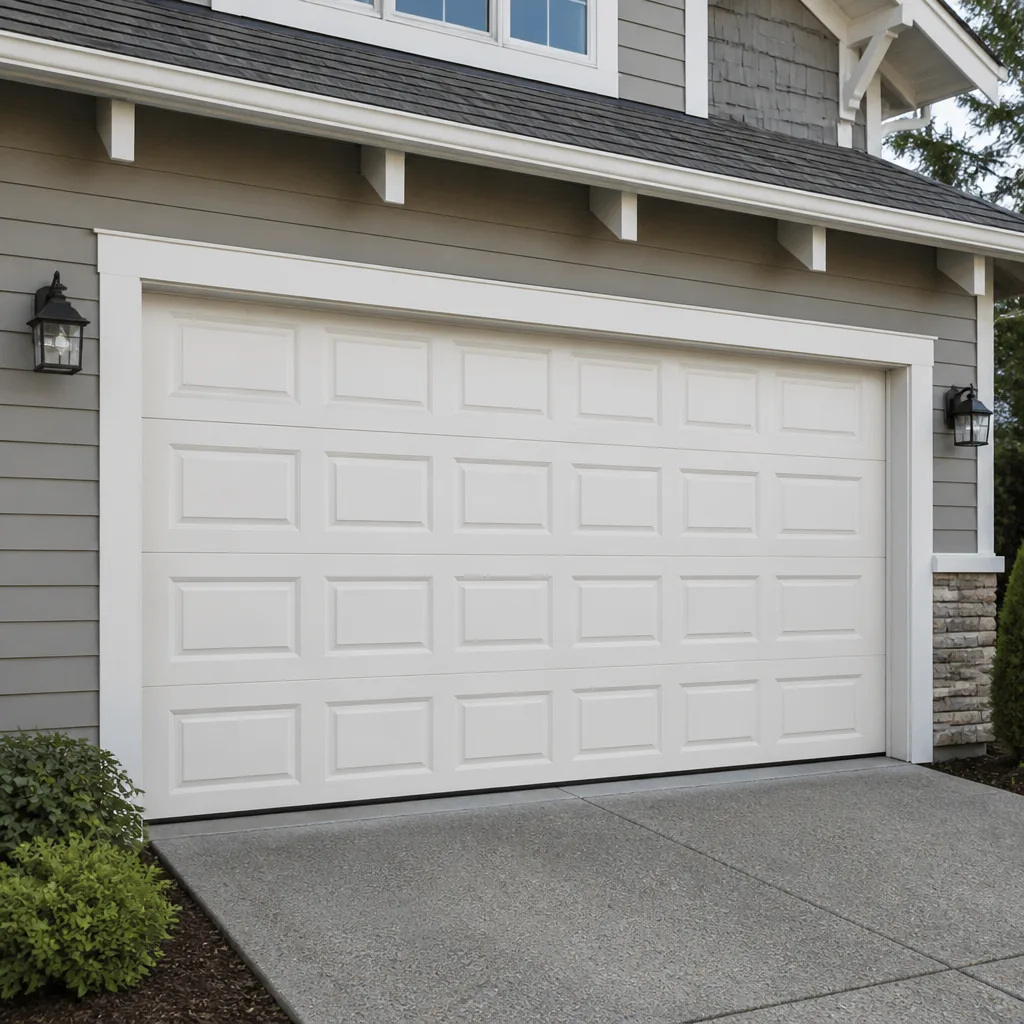 Raised-panel steel
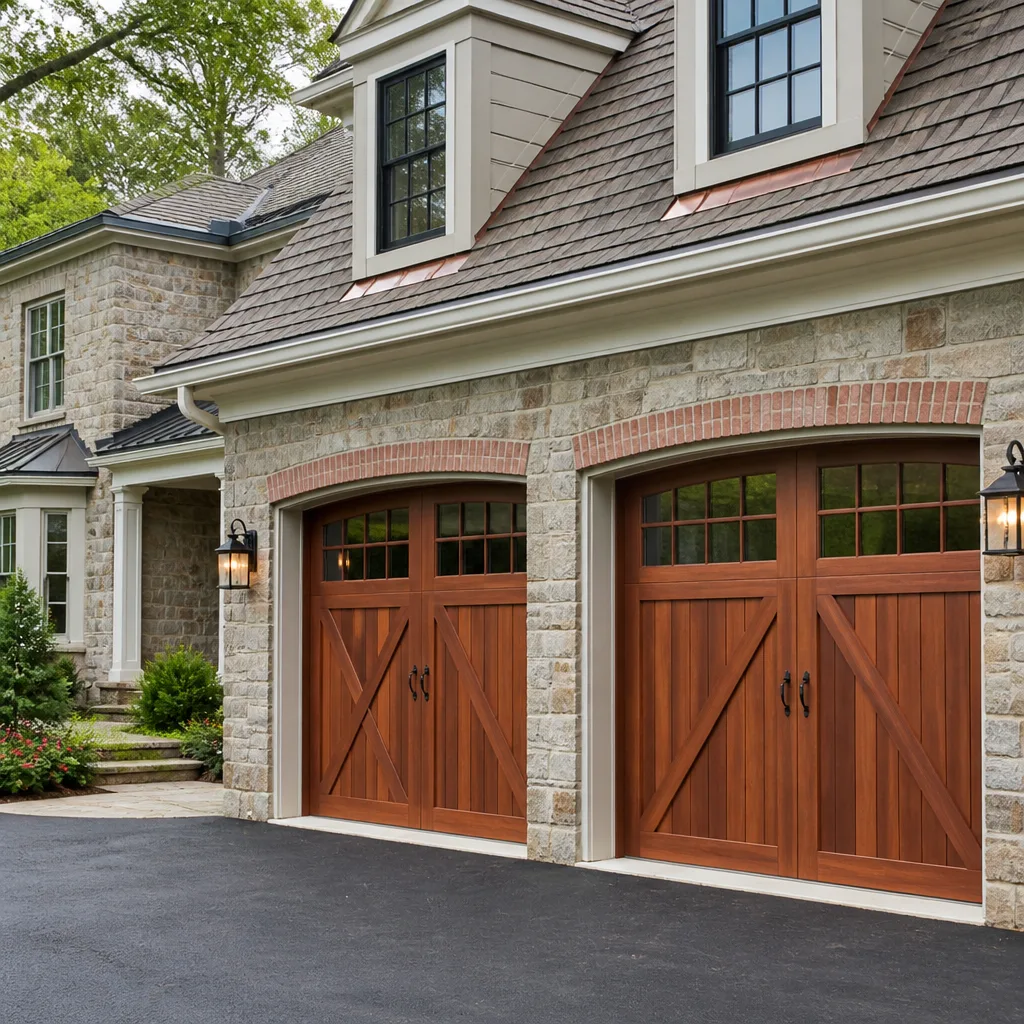 Carriage house
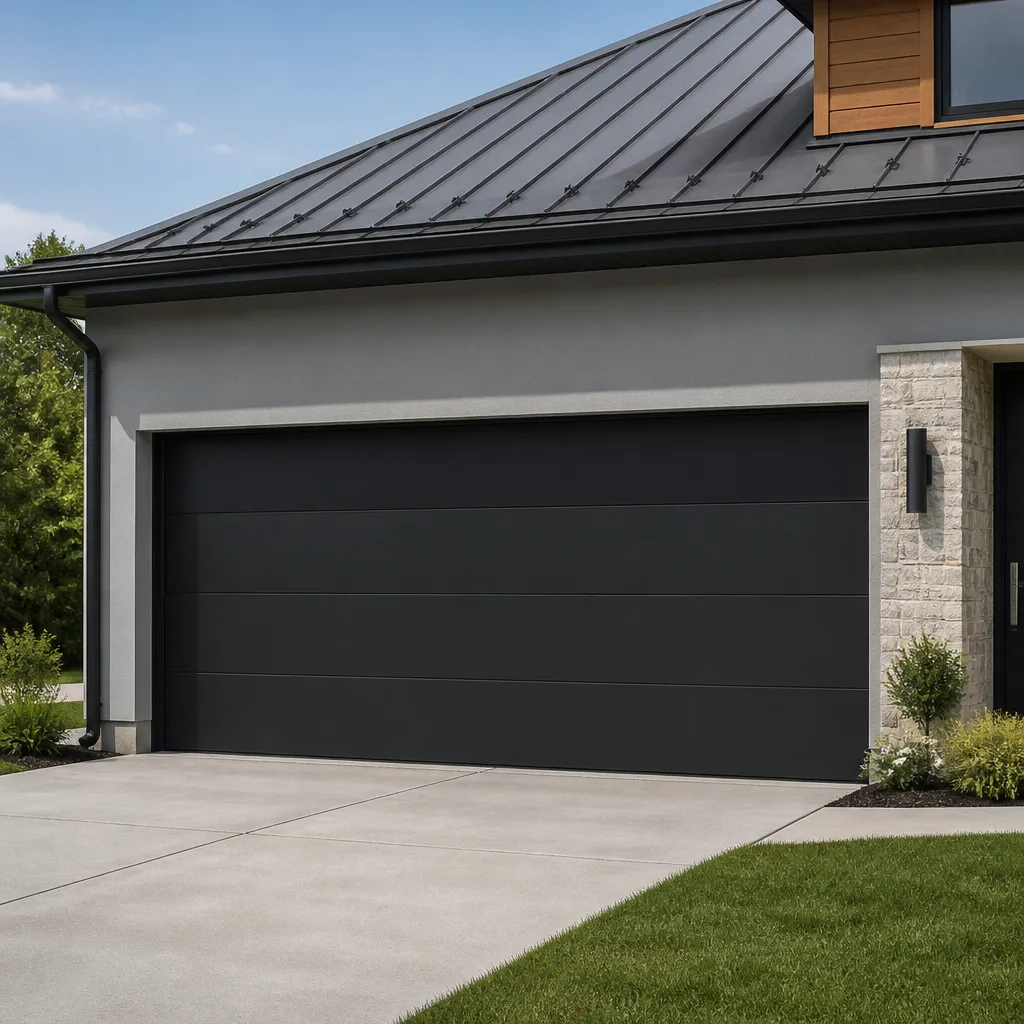 Modern flush
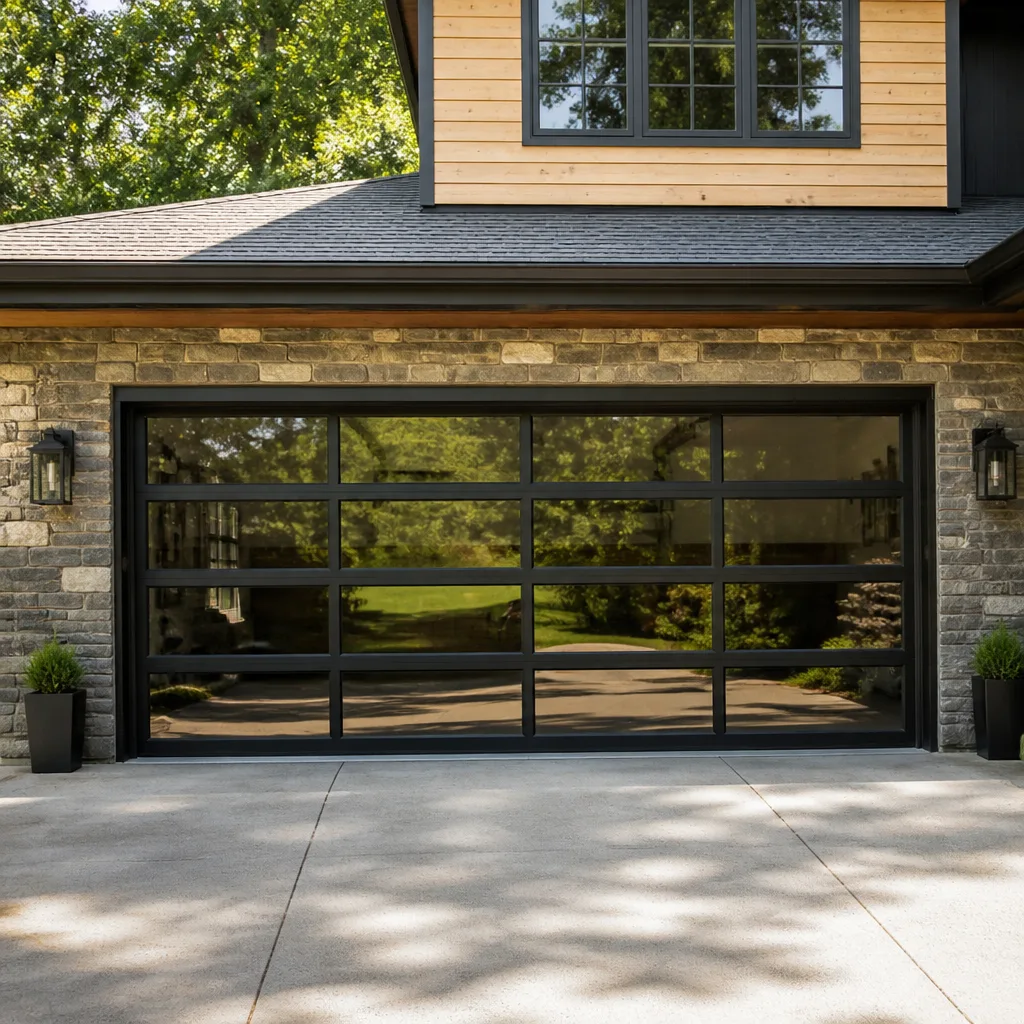 Full-view glass
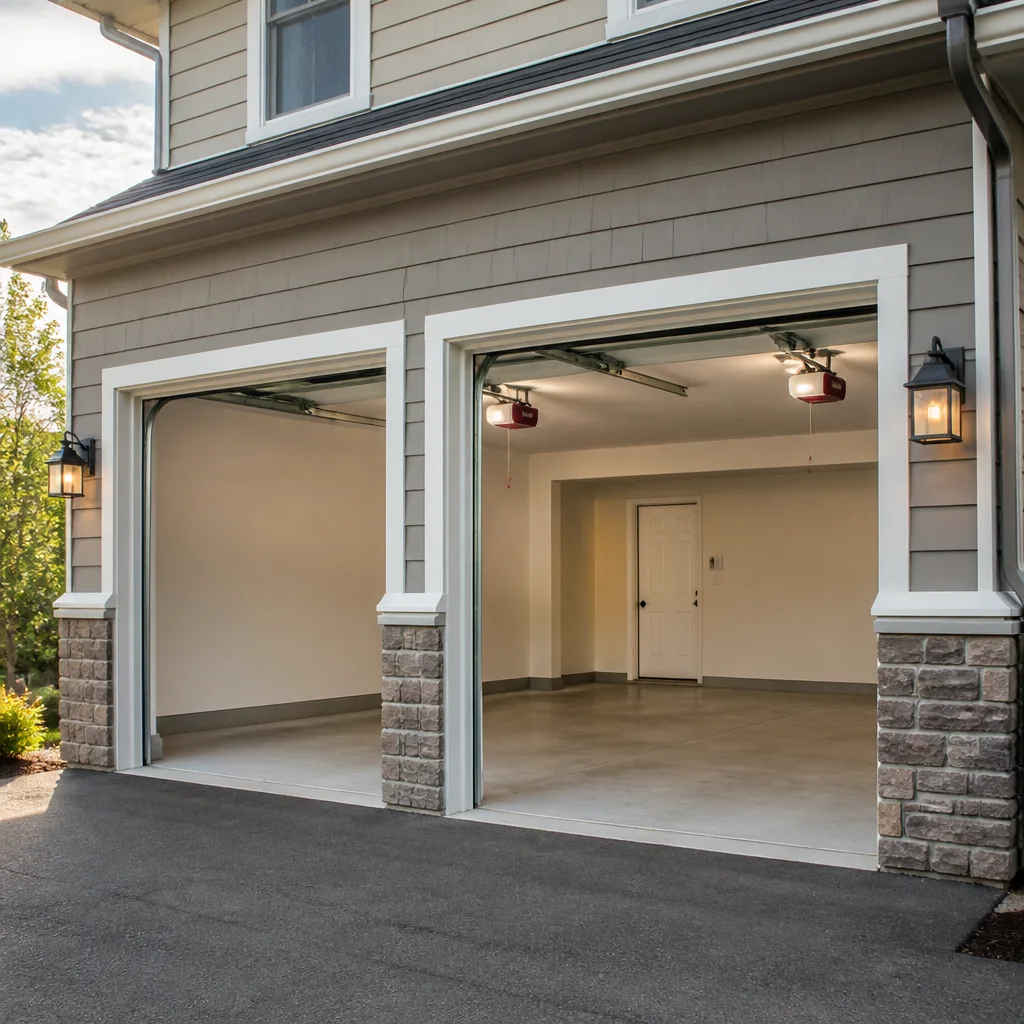 LiftMaster openers
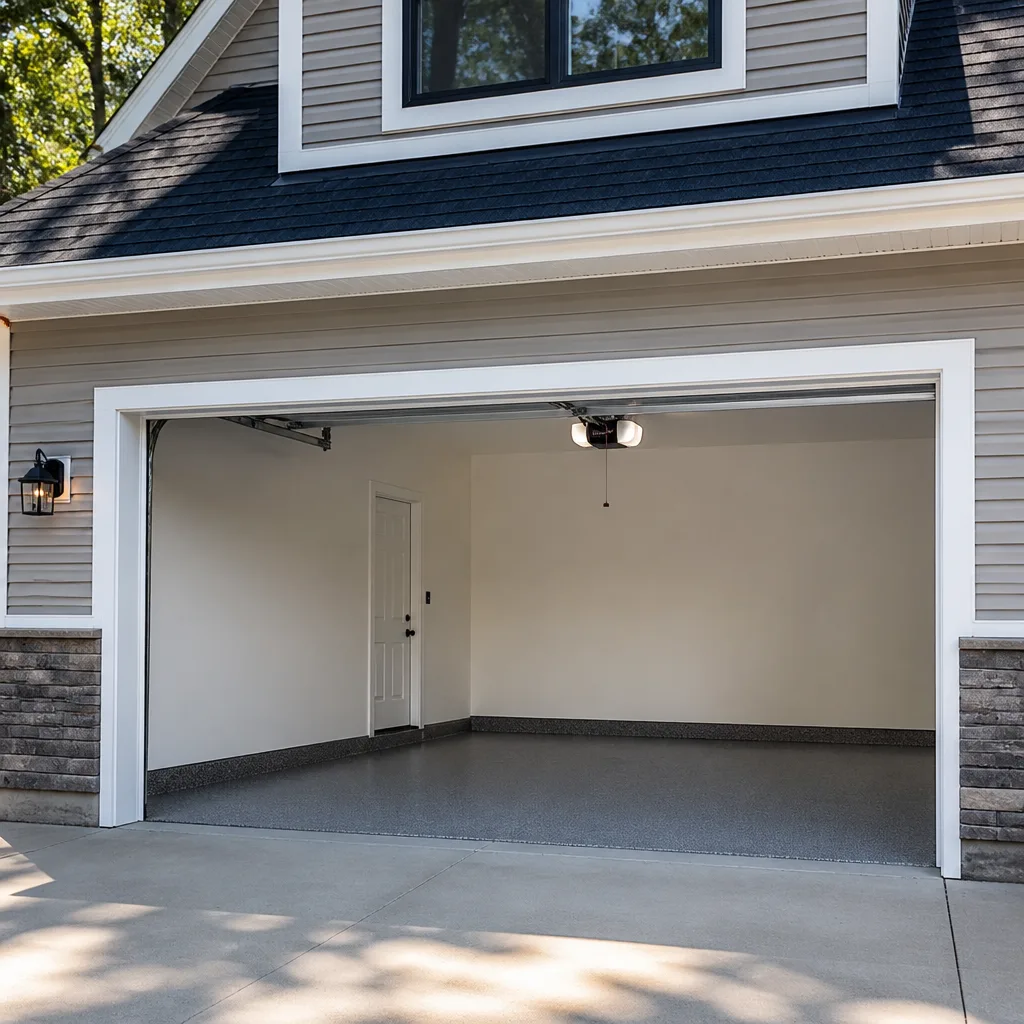 Chamberlain openers
Full 25-point door and opener safety check with every visit - springs, cables, rollers, tracks, and your LiftMaster or Chamberlain opener included
You get a price before we start. It does not change when the pro arrives.
Get your free estimateSeasonal Garage Door Care for Boulder: Year-Round Homeowner’s Guide
Most homeowners treat garage door maintenance as a twice-a-year chore: once in fall, once in spring. In Boulder, that rhythm doesn’t hold. A 60°F afternoon in March can be followed by eight inches of snow before the week is out, and a Chinook wind can push temperatures up 40°F in a matter of hours. Those swings aren’t just a weather-report curiosity. They’re the reason metal tracks expand and contract fast enough to open gaps in weatherstripping that was tight the day before. That’s not a malfunction. It’s physics, and it’s largely preventable. This guide walks through four distinct phases of seasonal care for a Boulder garage door, from fall seal timing to summer heat sensitivity, plus a month-by-month reference so you know what to do and when.
Quick Answer
Garage door care in Boulder needs to follow four phases, not two: fall work to seal the door before the first hard freeze, winter handling for doors frozen to the ground and cold-stiffened openers, spring checks after late-season snow and mud season, and summer attention to UV exposure and heat in garages that push past 100°F. The single most important timing point is fall seal replacement, which needs to happen before Boulder’s first hard freeze arrives, not after.
Styles & brands we work with
- Raised-panel steel
- Carriage house
- Modern flush
- Full-view glass
- LiftMaster openers
- Chamberlain openers
Table of Contents
- Fall Prep: Why Seal Timing Is Everything in Boulder
- Winter: Handling a Door Frozen to the Ground
- Spring: Late Snow, Mud Season, and Track Health
- Summer: UV Protection and Opener Heat Sensitivity
- Month-by-Month Reference Table
- Opener Care Across All Four Seasons
- Common Mistakes to Avoid
- When to Call a Professional
Fall Prep: Why Seal Timing Is Everything in Boulder
The mistake we see most often in Boulder is treating fall prep as something to get to in November. By then, the first hard freeze has usually already happened. That matters because bottom seals and side weatherstripping are far easier to replace and far more likely to seat properly when the rubber is still flexible. Once the seal has frozen hard and stiffened overnight, it cracks rather than compresses, and a new seal pressed against a frozen threshold won’t form the same tight contact.
Here’s what fall prep actually involves, in order of priority:
- Inspect the bottom seal for cracks, flattening, or gaps where it meets the floor. A seal that’s lost its crown won’t keep out cold air or the fine dust that blows around during Boulder’s windy stretches.
- Replace the seal if it’s more than a few seasons old, ideally before the first hard freeze. Seals are inexpensive and the job is quick compared to the drafts and pest access a failed seal lets in all winter.
- Check the side and top weatherstripping where it meets the frame. This is where rapid temperature swings do their damage, and it’s the first place a gap opens.
- Lubricate rollers, hinges, and the torsion spring with a garage-door-specific lubricant that won’t gum up in cold weather. Avoid heavy grease, which stiffens.
- Test the balance of the door by disconnecting the opener and lifting it halfway. A balanced door stays put. One that drifts down needs spring attention before winter.
- Check the safety reverse on the opener, since cold weather can affect the force settings.
If your door is an older wood model, fall is also the time to look at the finish. Wood absorbs moisture differently through Boulder’s freeze-thaw cycles than it does in a milder climate, and a failing topcoat lets water into end grain over the winter.
Winter: Handling a Door Frozen to the Ground Without Destroying It
A door frozen to the ground is one of the most common winter calls we field, and the way homeowners handle it often does more damage than the freeze itself. The instinct is to hit the opener button again and again, or to force the door up by hand. Both are bad ideas. The opener will keep pushing against a door that can’t move, and that’s how bottom seals get torn, panels get stressed, and opener gears strip.
Here’s the safe approach:
- Stop pressing the opener. If the door doesn’t move on the first cycle, don’t cycle it again.
- Look for the ice bond. Check along the bottom seal for ice gluing the door to the slab. A thin film is enough to hold a door.
- Free the seal gently. A plastic scraper or a light application of de-icing solution along the bond line helps. Never use a metal tool or a hammer; you’ll tear the rubber or dent the bottom rail.
- Clear snow and ice from the threshold before trying again, and make sure the tracks at floor level aren’t packed with frozen snow.
- Retest by hand first with the opener disconnected, so you’re not driving a motor against resistance.
Winter also brings cold-stiffened openers. A Genie or LiftMaster unit that ran smoothly in October may strain in January because the lubricant in the rail and the grease in the gearbox thicken with cold. If the door itself is balanced and the tracks are clear, an opener that hesitates is usually a sign it needs service, not a sign it’s dying.
One more winter point for Boulder specifically: after a Chinook raises temperatures quickly, snowmelt refreezes overnight at the threshold, and that’s when doors freeze. It’s not usually the coldest nights that cause the problem. It’s the thaw-and-refreeze that follows a warm wind.
Spring: Late Snow, Mud Season, and Track Health
Spring in Boulder is deceptive. The calendar says spring, but late-season snowstorms are common, and the melt that follows turns the ground around the garage into mud. Both affect the door in ways that don’t show up in a mild-climate checklist.
The spring checklist:
- Inspect the tracks for grit and debris. Mud season sends fine grit that gets into the track channel and grinds against the rollers. Wipe the tracks and check for dents or misalignment at the joints.
- Test the safety sensors. Mud-splashed lenses and shifting ground around the door can knock the photo-eye alignment off. If the door won’t close, or closes and immediately reverses, sensor alignment is the first thing to check.
- Look at the bottom seal again. A seal that survived winter can still have taken grit into the contact area or been stretched by a freeze. Spring is the season to catch what winter did.
- Check the door’s balance and travel limits. Cold weather can shift the opener’s force settings, and you’ll want to retest after winter.
- Clear the threshold drainage. Water pooling at the bottom of the door during melt season is what drives wood rot and corrosion on steel doors.
This is also the season when a door that’s been making a new noise all winter gets loud enough to notice. Squeaks, grinding, and uneven travel are usually rollers, hinges, or a spring that’s lost tension. Catching them in spring gives you time to fix them before the heat arrives and before the door gets more use. If you’re hearing something consistent, it’s worth a look at our garage door repair page, or a call to schedule an inspection.
Summer: UV Protection and Opener Heat Sensitivity
Summer is the season most homeowners ignore, and in Boulder it’s a real one. Garages here can hit well above 100°F on a hot afternoon, and that heat does two things: it stresses wood and composite door finishes, and it changes how openers behave.
On the door itself, UV exposure is the slow problem. Wood doors need a finish that holds up to intense sun, and a topcoat that’s failing will let moisture in and cause checking and warping over time. Composite and steel doors with painted or laminated finishes can fade or chalk, and the sun-facing side always goes first. If your door faces south or west, spring is the time to check the finish and summer is the time to maintain it.
On the opener, heat causes sensitivity. A unit mounted in a garage that’s pushing past 100°F can trip its thermal protection and refuse to run until it cools, or it can behave erratically. If your door stalls on hot afternoons and runs fine in the morning, heat is usually the cause, not the opener’s electronics. Keeping the garage ventilated, keeping the opener’s vents clear, and checking that the unit isn’t mounted directly in the path of a hot roof deck all help.
Summer is also the season to check the safety reverse one more time, since a door that reverses on contact with a small object is doing its job and one that doesn’t is a hazard.
Month-by-Month Reference: What to Do and When in Boulder
If you only use one section of this guide, use this one. Here’s the seasonal care schedule, laid out by month so you know exactly what to do and when:
| Month | Focus | What to Do |
|---|---|---|
| January – February | Freeze management | Keep the threshold clear; free a frozen door gently by hand; don’t cycle a stuck opener; watch for thaw-and-refreeze after Chinook winds. |
| March – April | Post-winter checks | Inspect tracks for grit and dents; test safety sensors; check the bottom seal for freeze damage; clear melt-water drainage at the threshold. |
| May – June | Pre-summer finish and lubrication | Touch up finish on sun-facing wood or composite doors; lubricate rollers and hinges with a warm-weather-appropriate lubricant; test opener balance and force settings. |
| July – August | Heat and UV management | Check the finish for fading and chalking; ventilate the garage; watch for opener thermal cutout on hot afternoons; retest safety reverse. |
| September – October | The critical fall seal window | Replace the bottom seal and side weatherstripping before the first hard freeze; balance test the door; lubricate for cold; check opener force settings. |
| November – December | Cold-weather prep | Confirm the seal is seated; check that tracks aren’t holding snow; test the door’s balance and opener operation as temperatures drop. |
The key insight in this table is that the fall seal window isn’t “fall.” It’s September into early October, before Boulder’s first hard freeze. Everything after that is playing catch-up.
Opener Care Across All Four Seasons
Your door hardware and your opener system have different seasonal needs, and treating them as one unit is a common mistake. The mechanical door cares about temperature swings, lubrication, and seal integrity. The opener cares about force settings, sensor alignment, and heat. If you have an opener issue you want resolved before the season changes, our garage door opener repair team handles both sides of the system in one visit.
A few opener-specific seasonal notes:
- Force settings change with temperature. An opener tuned in summer may push against a cold-stiffened door in winter. If the door reverses for no visible reason in cold weather, the force setting is often the culprit.
- Safety sensor alignment is seasonal. Ground movement and mud splash both affect alignment. A door that won’t close in spring often just needs the sensors cleaned and lined up.
- Lubricant type matters. Cold-weather lubricant for winter, and a lighter approach in summer so dust doesn’t collect.
- Smart openers need firmware attention like any connected device. If your LiftMaster or Chamberlain unit has an app and wireless connectivity, check for updates when the season changes.
Brand familiarity matters here too. Craftsman and Wayne Dalton units from older installations have different force and sensitivity controls than a current LiftMaster or Chamberlain. Our technicians have up to 9 years of experience, and we work on Genie, Clopay, Amarr, Wayne Dalton, and other widely installed brands every season, so diagnosis tends to go a little faster than it would with a generalist.
Common Mistakes to Avoid
- Waiting until November to replace the bottom seal. By then the first hard freeze has usually hit in Boulder, and a new seal doesn’t seat as well against a frozen threshold. Aim for late September or early October.
- Cycling the opener repeatedly on a frozen door. This is the single fastest way to tear a seal or strip an opener gear. If the door doesn’t move on the first try, stop and check for ice.
- Forcing a frozen door with a metal tool or a hammer. You’ll damage the bottom seal and likely the bottom rail, and the fix will cost more than freeing the door gently would have.
- Ignoring tracks after mud season. Grit in the track channel grinds rollers and wears the finish, and it’s easy to overlook because it doesn’t make noise until it’s done real wear.
- Skipping the summer finish check on sun-facing doors. A south- or west-facing wood door in Boulder takes more UV than any other side of the house, and a failing topcoat is much easier to catch in June than to repair in September.
- Assuming an opener that stalls on a hot afternoon is broken. Thermal protection kicking in is normal behavior, and it’s designed to protect the motor. Ventilation and clear vents usually solve it.
- Never testing the safety reverse. A door that doesn’t reverse on contact with an object is a hazard regardless of the season, and the test takes about 30 seconds.
See the difference
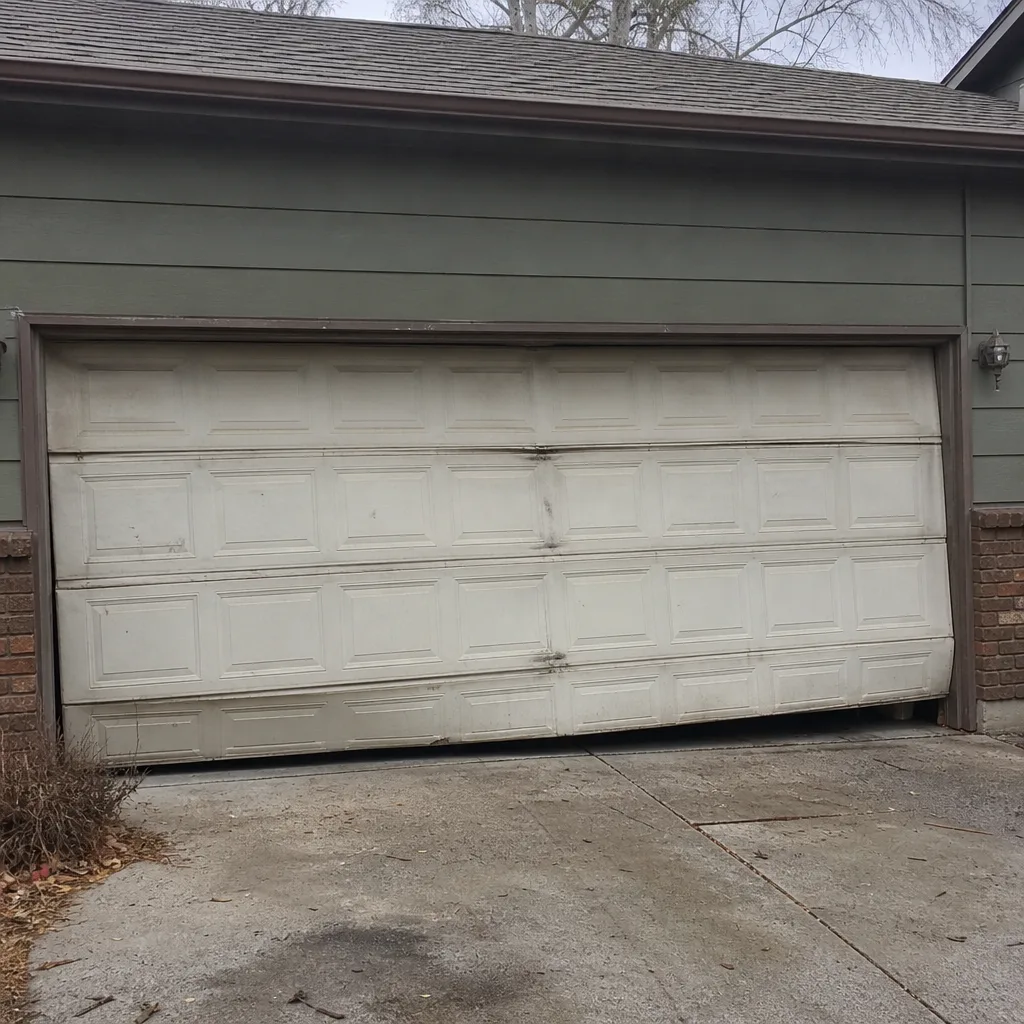 Before
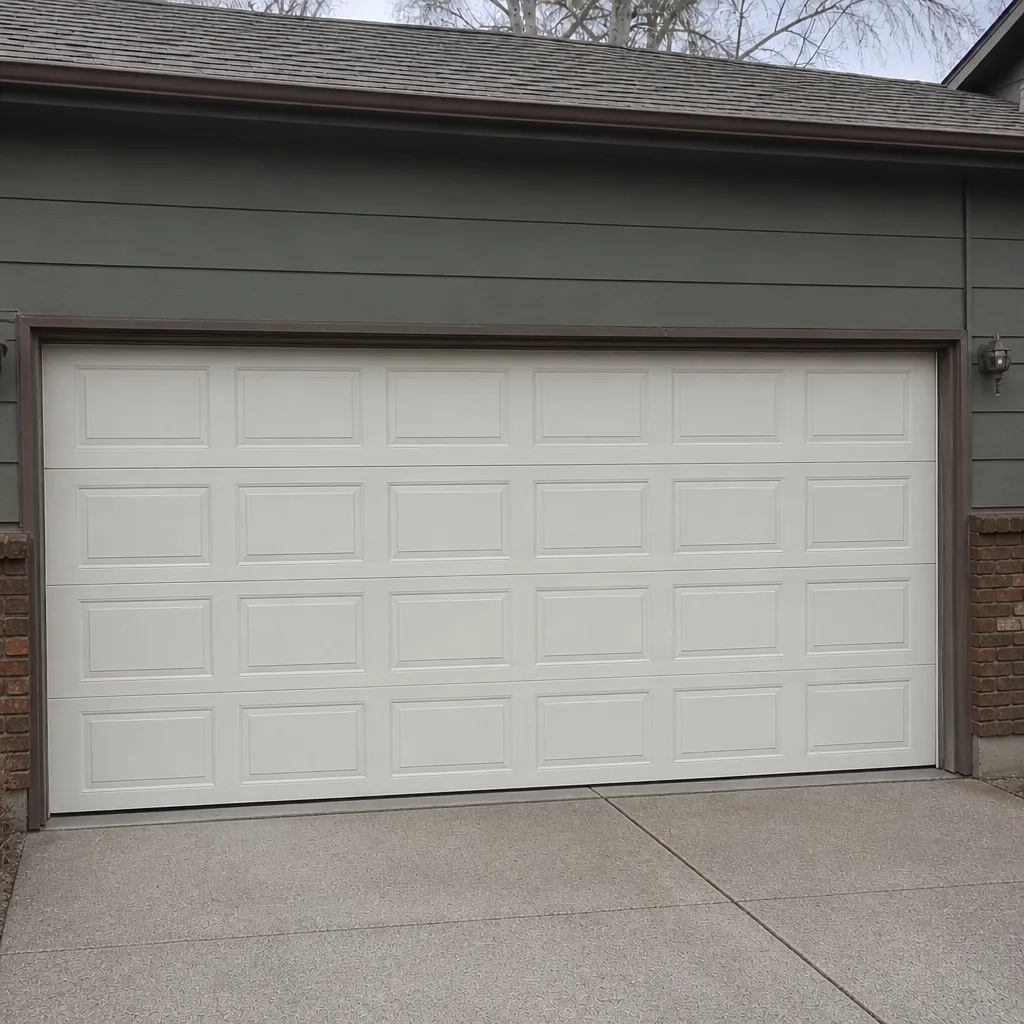 After
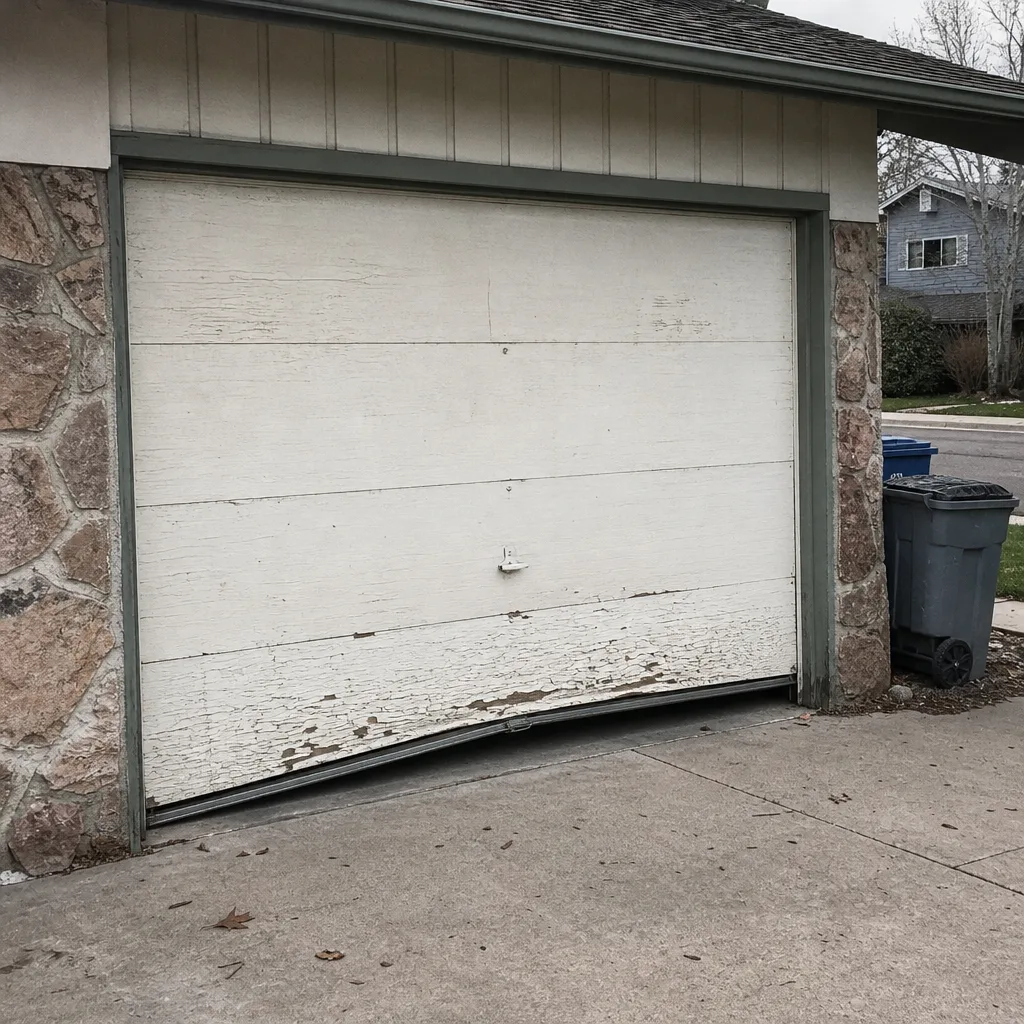 Before
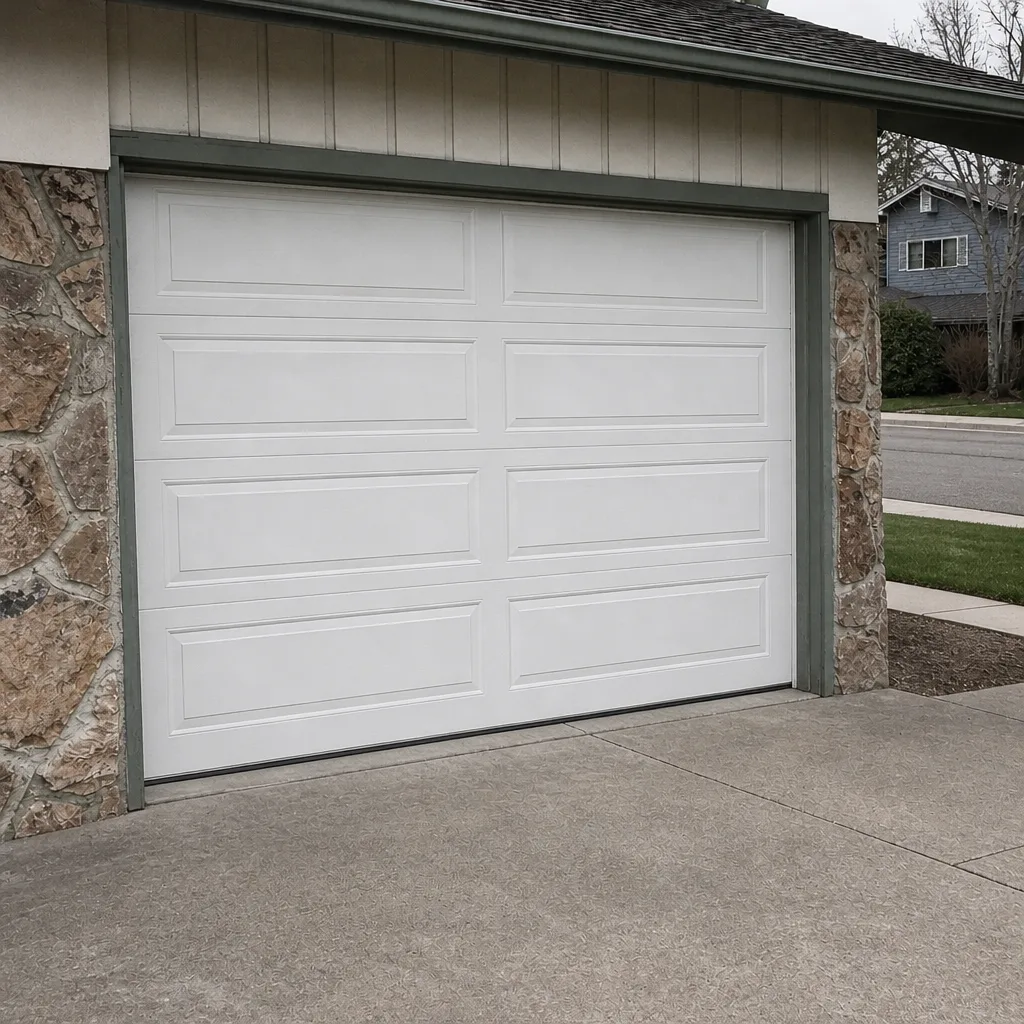 After
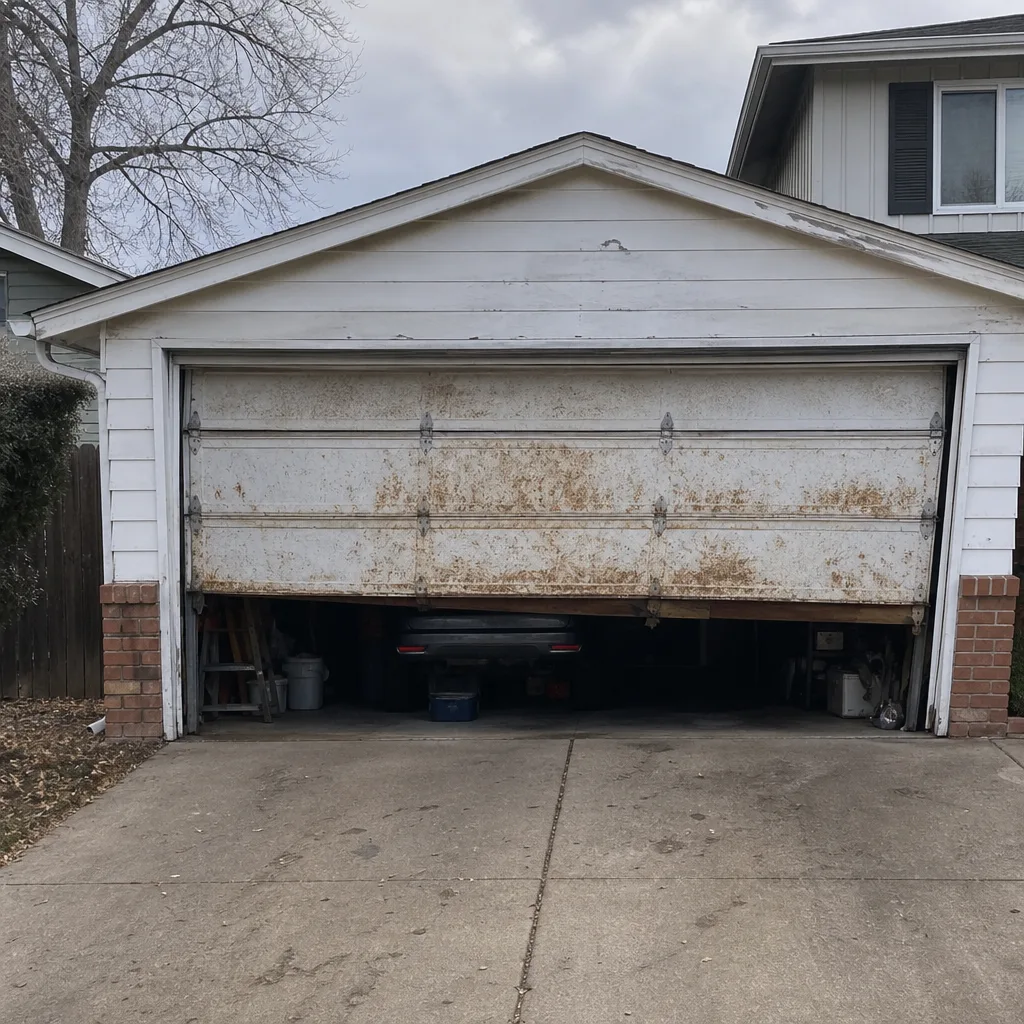 Before
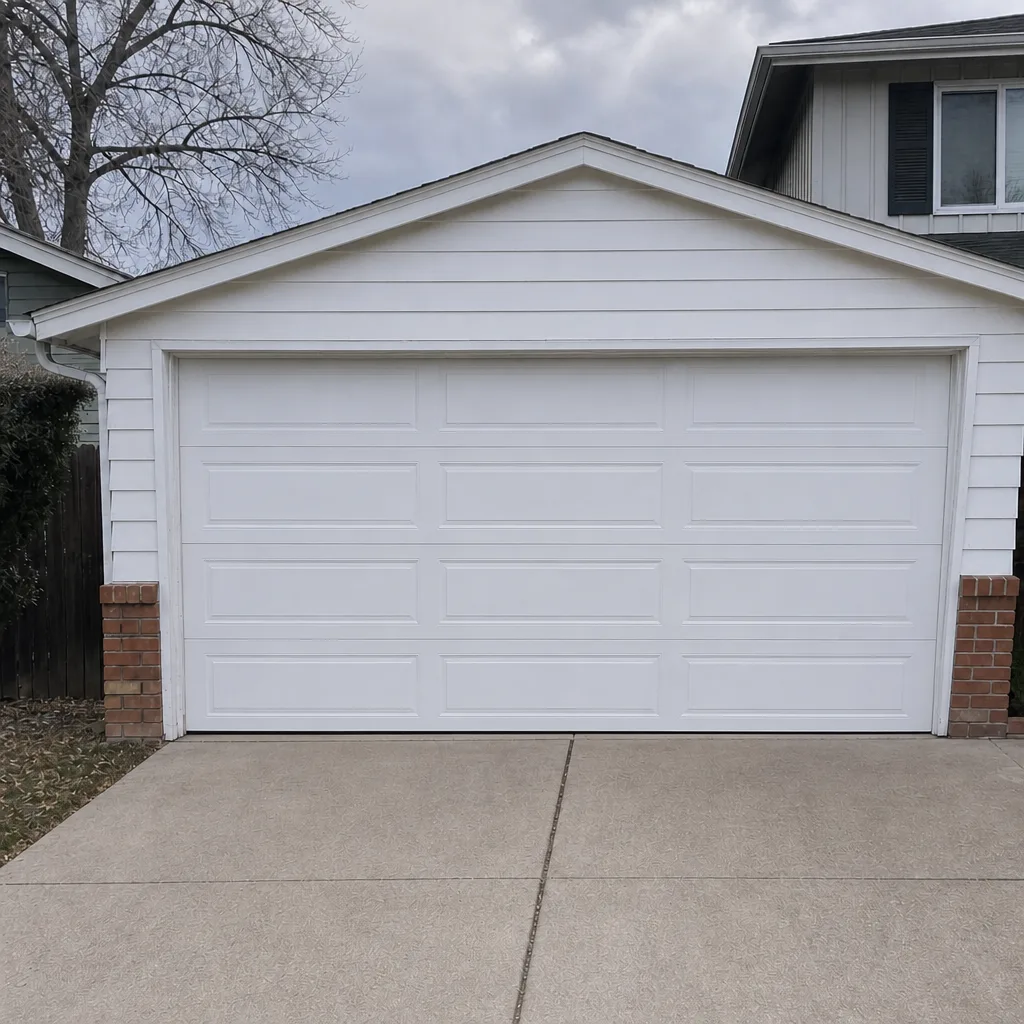 After
When to Call a Professional
Seasonal maintenance covers most of what a garage door needs, but some situations need a trained technician. If the door is unbalanced, if the spring has lost tension or is making a loud bang, if the opener behaves erratically after a temperature swing, or if a track is bent or badly misaligned, don’t force it. Spring work in particular is dangerous; torsion springs store tremendous energy and can cause serious injury if handled without the right tools and technique. The same goes for a door that’s frozen so solidly that freeing it walls the risk of tearing the seal or bottom rail. Boulder Garage Door Service offers free estimates in Boulder, and we’ll tell you honestly whether a repair or a replacement makes more sense. Whether you’re in a quieter part of town or somewhere more central, our team works across Boulder and can talk through your options.
Frequently Asked Questions
Replace it in late September or early October, before Boulder’s first hard freeze. A new seal seats and compresses properly when the rubber is still flexible, and once freezing temperatures arrive, that window closes for the season.
Stop pressing the opener, check along the bottom seal for ice, and free it gently with a plastic scraper or a light de-icing solution. Never use a metal tool or a hammer. If the door won’t free easily, call (855) 683-6002 rather than forcing it.
Heat can trip the opener’s thermal protection or cause erratic behavior in a garage that reaches 100°F or more, which happens in Boulder during the summer. Improving ventilation, clearing the unit’s vents, and checking the mounting location often resolve it. If the behavior continues after the garage cools, call (855) 683-6002.
At least twice a year, once in fall and once in spring, using a garage-door-specific lubricant. Heavy grease stiffens in cold weather, so choose a lubricant rated for the temperature range you’ll actually see.
No. Torsion springs store a large amount of energy and can cause serious injury if handled without the right tools and technique. Spring work should always go to a trained technician, and our team handles both the mechanical door and the opener system in a single visit.
Yes, mainly around UV exposure and moisture. A south- or west-facing wood door takes intense summer sun, and a failing topcoat lets water into end grain during the freeze-thaw cycles. Check and touch up the finish in late spring, before summer UV does its damage.
The Bottom Line
Garage door care in Boulder follows four phases, not two. Seal replacement is the fall priority, and it needs to happen before the first hard freeze, not after. Winter is about handling frozen doors gently and watching for cold-stiffened openers. Spring is about tracks, sensors, and the grit that mud season leaves behind. Summer is about UV on wood and composite finishes and heat sensitivity in the opener. If you follow the month-by-month table and stay ahead of the season changes, your door will run smoother and last longer than a door that only gets attention when something breaks.
When you need a specialist, Boulder Garage Door Service handles repair, opener repair, and installation across the brands Boulder homeowners actually own. Our technicians have up to 9 years of experience and work on both sides of the system in a single visit. Call (855) 683-6002 for a free estimate. We answer 24/7. Fast dispatch from 7am to 7pm, Sunday through Friday.
Written by the team at Boulder Garage Door Service.