
Last updated November 15, 2026
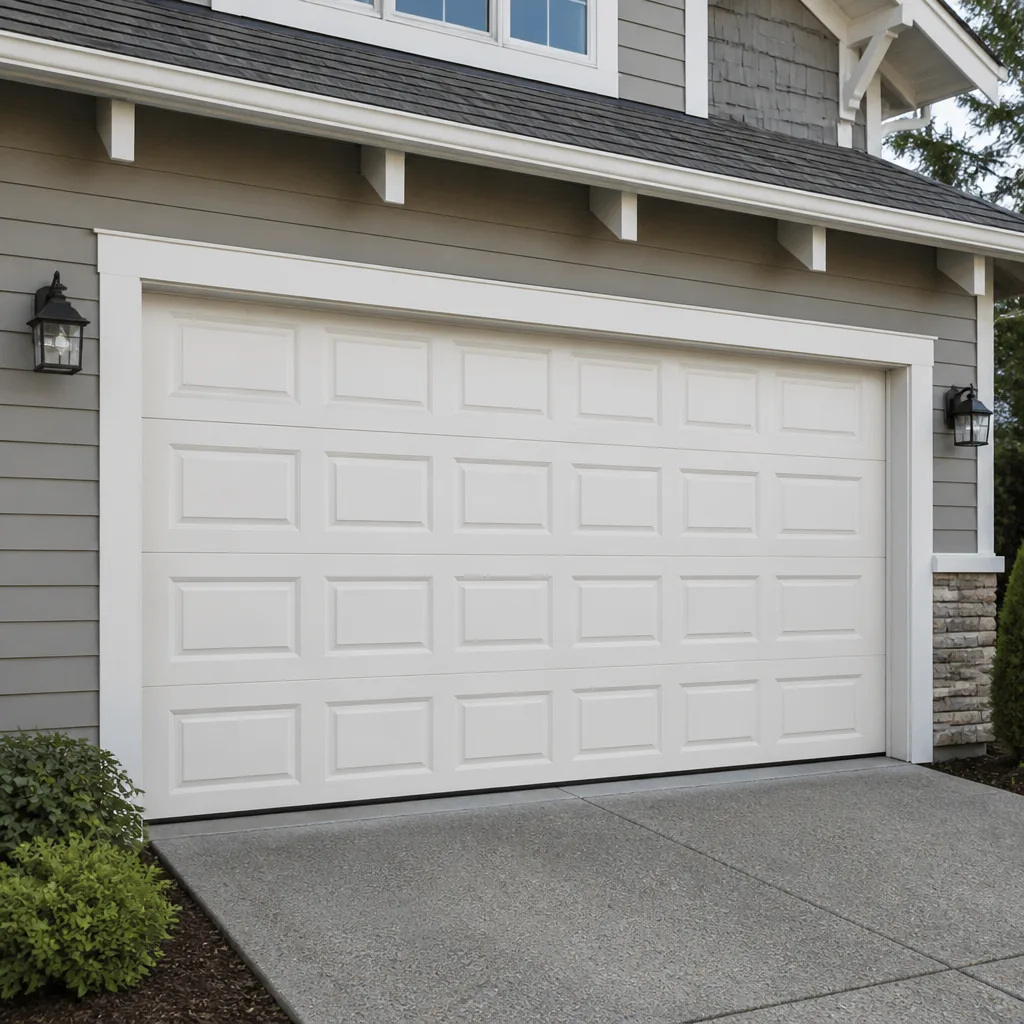 Raised-panel steel
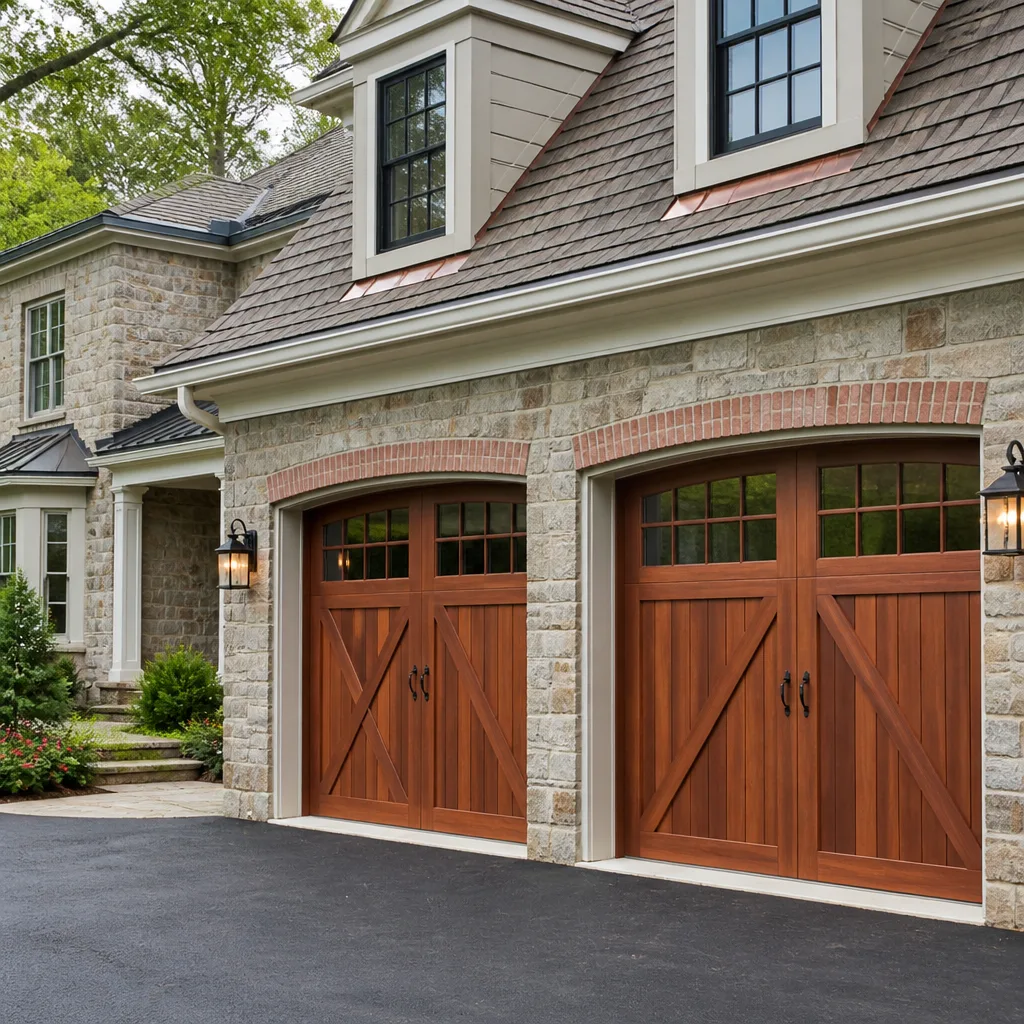 Carriage house
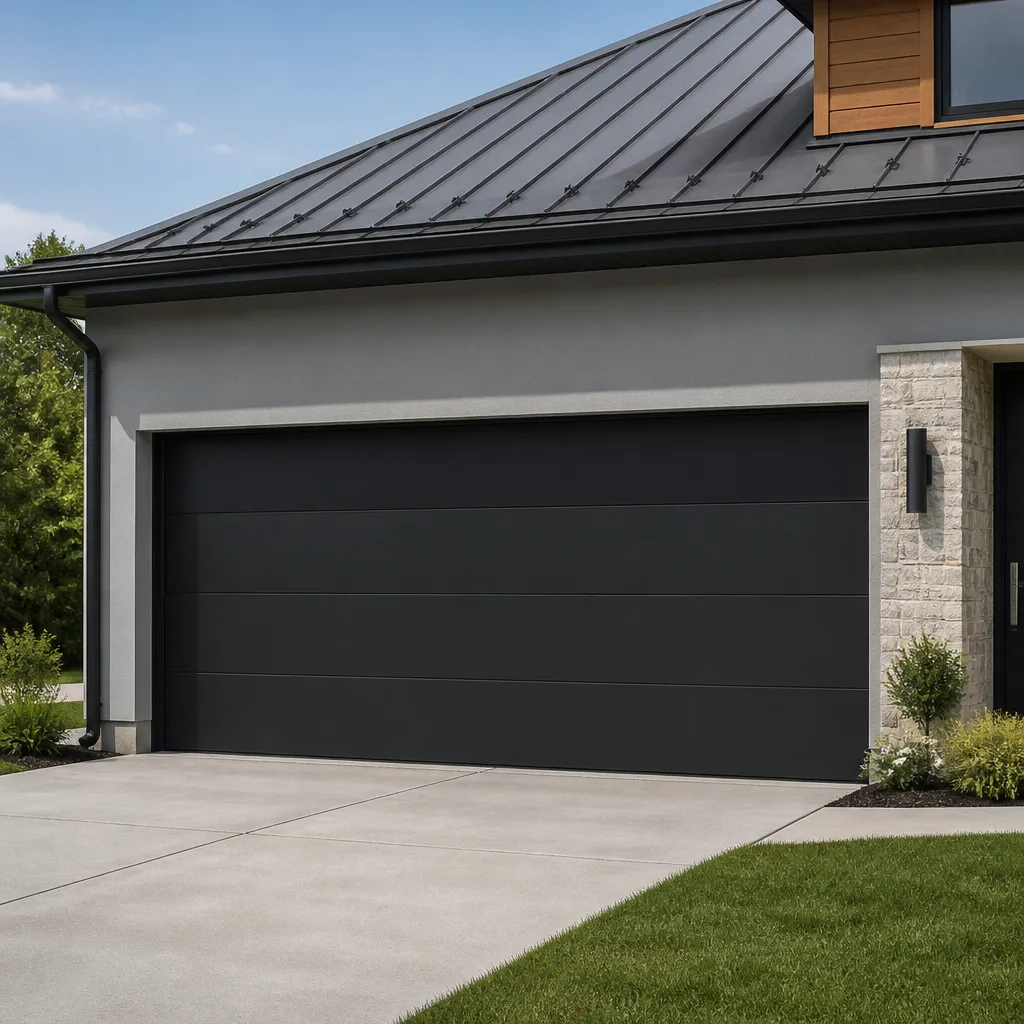 Modern flush
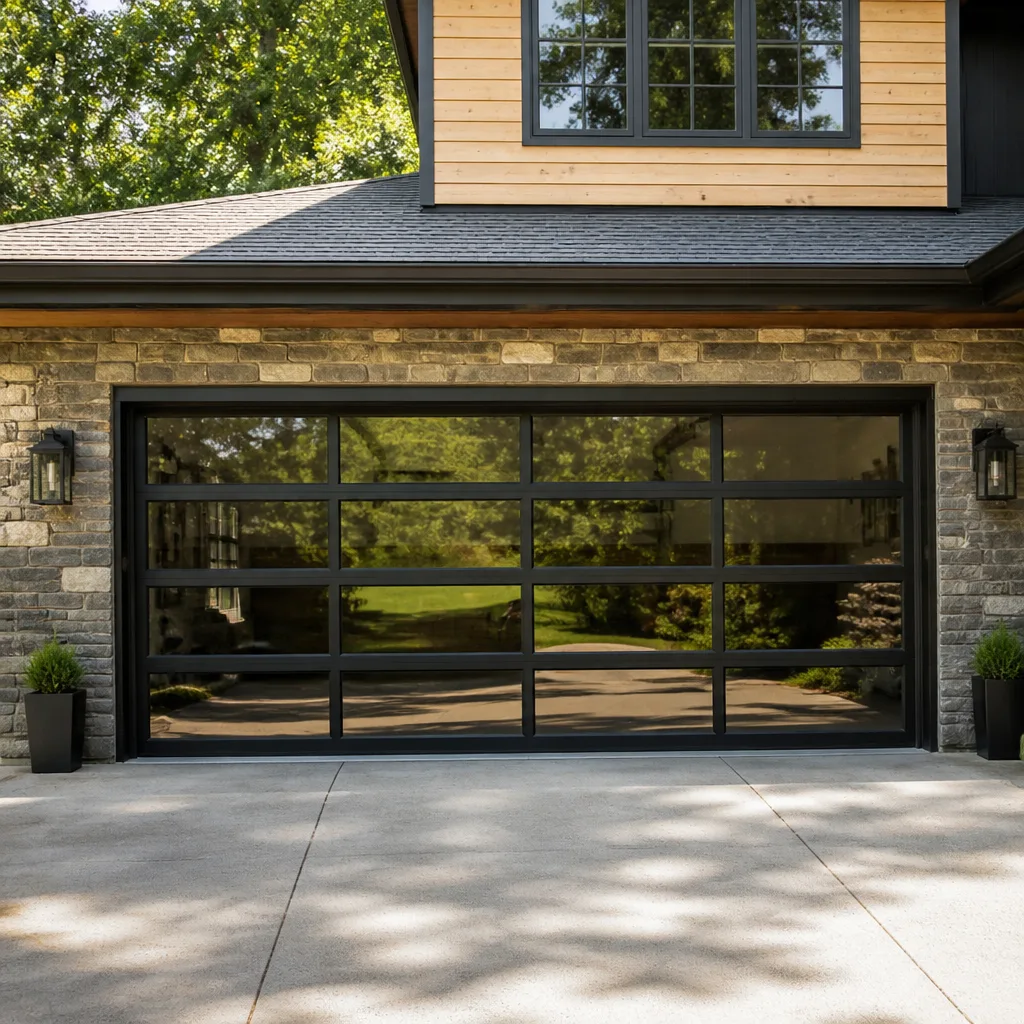 Full-view glass
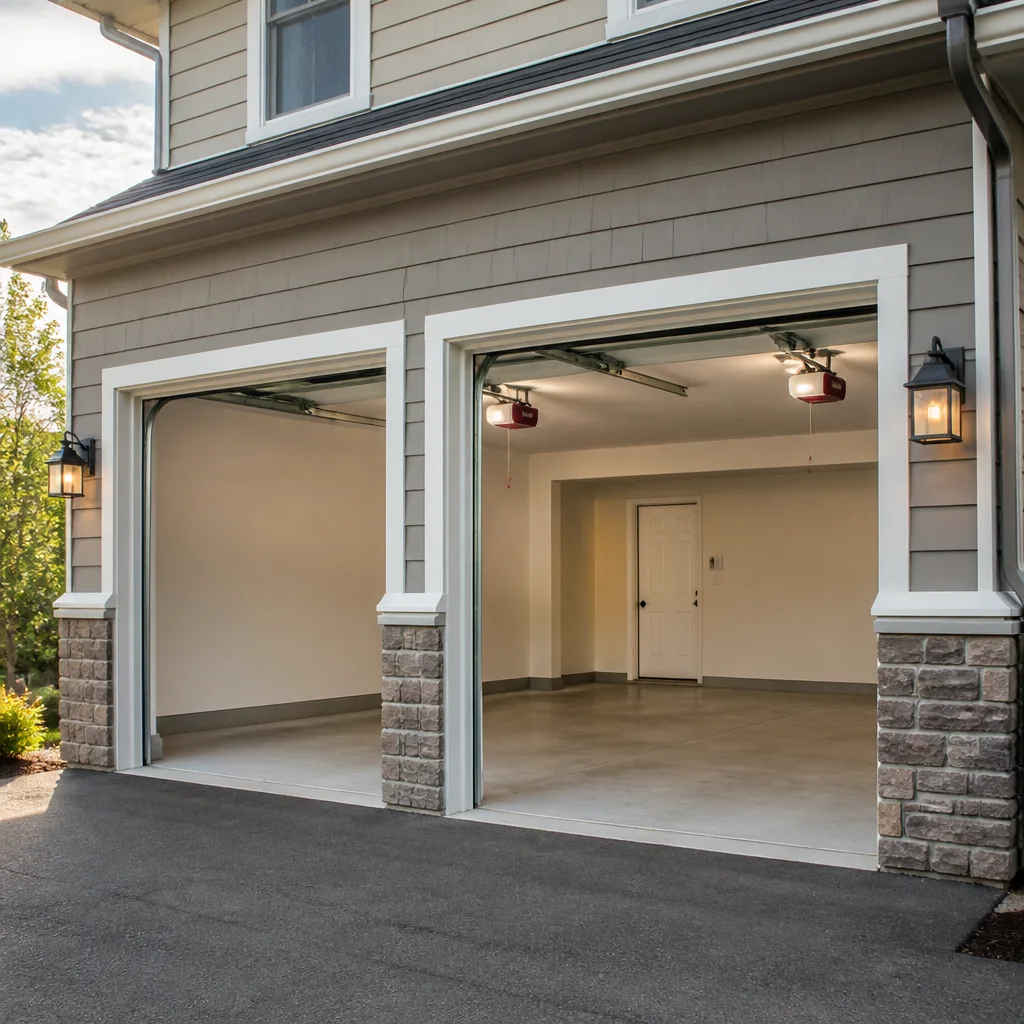 LiftMaster openers
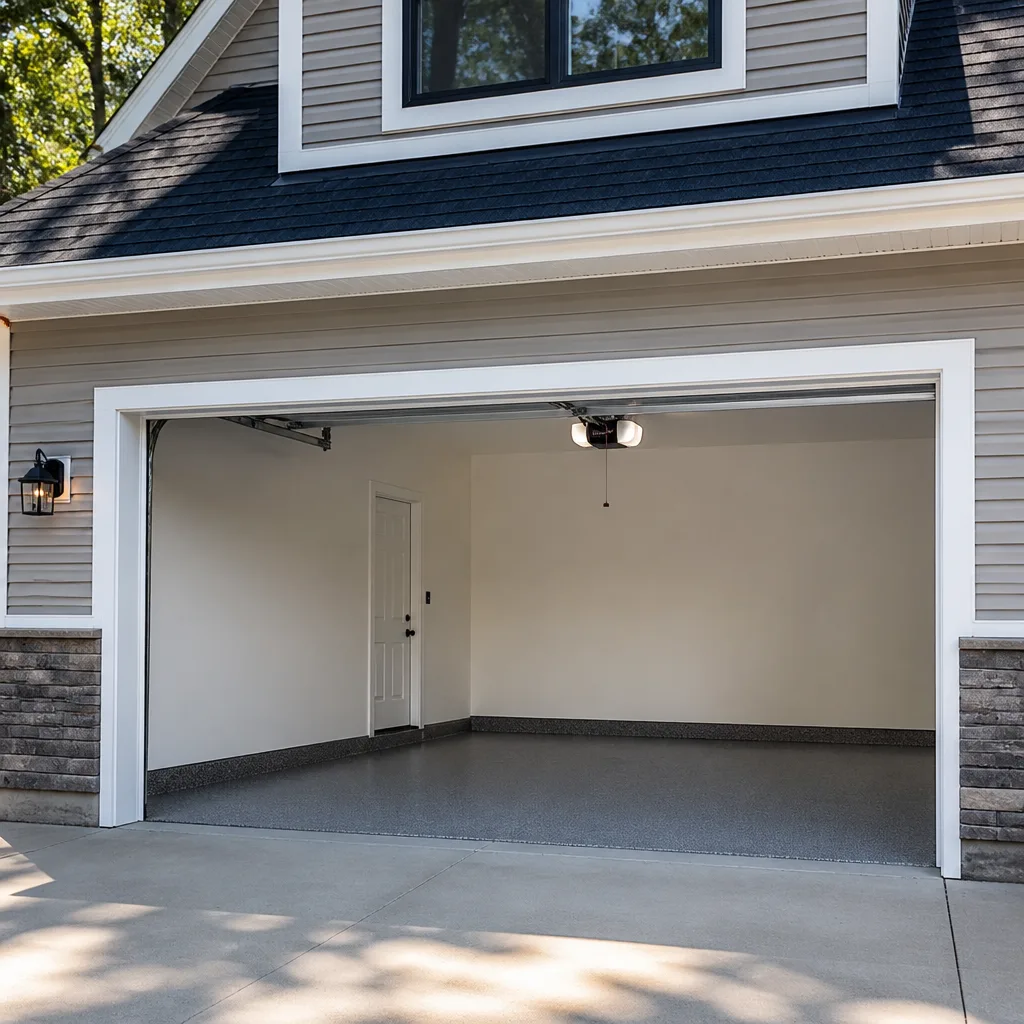 Chamberlain openers
Full 25-point door and opener safety check with every visit - springs, cables, rollers, tracks, and your LiftMaster or Chamberlain opener included
You get a price before we start. It does not change when the pro arrives.
Get your free estimateChoosing the Right Garage Door Brand: A Buyer’s Guide for Boulder
A brand that sells well in mild-climate markets can underperform in Boulder, and you won’t read that on any manufacturer’s brochure. Weatherstripping compounds that stay pliable in humid coastal air get brittle in sustained dry cold, insulation ratings that look impressive on paper matter little in a garage nobody heats, and a brand with a strong national reputation can mean a two-week parts wait when a torsion cable snaps in February. The right brand for a Boulder home isn’t the most famous name on the box. It’s the one whose materials suit this climate, whose parts a local technician can actually get, and whose warranty language holds up when you read past the headline. This guide walks through all of it: how Clopay, Wayne Dalton, Amarr, and CHI compare on what matters here, how to match material and insulation to how you use your garage, and how to evaluate a warranty before you sign.
Quick Answer
For most Boulder homes, a steel Clopay or Amarr door with a polyurethane core in the R-12 to R-16 range is the practical sweet spot: durable in dry cold, well supported by local parts, and priced for the long run. If budget leads, a non-insulated or polystyrene steel door from Wayne Dalton or CHI works fine on a detached garage that isn’t used as living space. The best brand is the one a local technician can service quickly with parts that fit, not the one with the prettiest catalog.
Styles & brands we work with
- Raised-panel steel
- Carriage house
- Modern flush
- Full-view glass
- LiftMaster openers
- Chamberlain openers
Table of Contents
- Why Brand Choice in Boulder Starts With Climate, Not Prestige
- Clopay vs. Wayne Dalton vs. Amarr vs. CHI: A Boulder Comparison
- Insulation and R-Value for Attached Garages, Workspaces, and EV Chargers
- Parts Availability: What a Local Technician Can Actually Get
- Matching Material to Boulder’s Climate Stressors
- How to Read a Garage Door Warranty in Practical Terms
- Door and Opener Brands: Why the Pairing Matters
- A Step-by-Step Way to Choose Your Brand
Why Brand Choice in Boulder Starts With Climate, Not Prestige
Boulder sits at the foot of the Flatirons with a climate that stresses garage doors in ways that don’t show up on a spec sheet. Dry air most of the year, sharp temperature swings, intense high-altitude sun, and heavy late-winter snow loads all work on the door every day. A brand engineered for humid, temperate conditions brings different assumptions: different steel gauges, different seal chemistry, different finish prep. Those assumptions show up in service history, not marketing copy.
The single most common climate-related failure we see in Boulder is weatherstripping that cracks and pulls away from the bottom seal or the jamb. Once that seal fails, cold air, snowmelt, and grit get into the opening. Doors can also warp slightly when one face cooks in sun while the other stays cold, which throws off panel alignment and puts extra strain on the track and hinges. A manufacturer whose steel and finish prep are built for dry cold and high UV tends to hold alignment longer without a technician visit.
That’s the first filter. Before you compare colors, windows, or price, ask which brands are actually built to survive here. It’s the difference between a door that needs a seal replacement and a tune-up once a season and one that quietly performs for years.
Clopay vs. Wayne Dalton vs. Amarr vs. CHI: A Boulder Comparison
These four brands cover most of what gets installed in Boulder, and each has a distinct strength that maps to a different kind of homeowner. Comparing them on the criteria that actually matter locally tells you more than comparing them on brand prestige.
- Clopay: The widest residential lineup of the four. Strong on insulated steel with full polyurethane cores and a broad range of panel and window styles. Good finish systems for high-UV exposure. If you want a door that looks custom but performs like a standard steel door, Clopay is usually the starting point.
- Wayne Dalton: Familiar, well-supported, and priced for practical buyers. Common in older Boulder neighborhoods where a simple sectional door makes sense. Not the flashiest catalog, but a brand a technician can diagnose and repair quickly because the parts are standard.
- Amarr: Strong value-to-performance ratio on insulated steel. Its Classica and Olympus lines hold up well through Colorado temperature swings, and the door profiles are clean. A common choice when a homeowner wants solid thermal performance without paying for a premium brand name.
- CHI: A solid regional player with heavy-gauge steel options and good value. Its full-vision and aluminum lines are popular for contemporary homes and garages that need to let daylight in. Fewer style choices than Clopay, but a strong general-purpose door.
On a detached garage or a shed that isn’t heated, a plain non-insulated steel door from any of these brands works fine, and price should lead the decision. On an attached garage that shares a wall with the house, insulation grade and seal quality should lead instead. We work with all four, so the recommendation is based on the building, not on what’s easiest for us to sell.
Insulation and R-Value for Attached Garages, Workspaces, and EV Chargers
If your Boulder garage is attached to the house, used as a workshop, or hosts an EV charger on a wall that shares a heated room, insulation is an operating cost, not a luxury. It’s also the specification most homeowners get wrong, because it’s easy to compare R-values without considering how the door is actually used.
Here’s a practical way to think about it:
- Detached, unheated garage: R-value matters little. A non-insulated or lightly insulated steel door is enough, and money is better spent on a good opener and a proper seal.
- Attached garage, not used as living space: R-6 to R-12 is usually adequate. This range keeps the garage from becoming a heat sink while keeping the door weight reasonable.
- Attached garage used as a gym, shop, or office: R-12 to R-16 makes a real difference in comfort and in heat loss through the shared wall.
- Garage with an EV charger: Insulation helps maintain a steadier ambient temperature. That reduces the load on any HVAC in the space and keeps the charger’s surroundings more stable. The higher end of the range is worth considering here.
A heavier insulated door also needs a properly matched torsion spring system. If you upgrade to a polyurethane-core door on an older opener and spring setup, the whole system has to be rebalanced. Ask about that up front so you aren’t surprised.
Parts Availability: What a Local Technician Can Actually Get
The brand on the front of your door determines how long a repair takes when something fails. This is the factor Boulder homeowners underestimate most. A door with a strong local parts chain can be returned to service the same day. A door with a boutique parts stream may sit open for days while a specific hinge, roller, or panel is ordered.
A useful rule of thumb: brands common in the Boulder housing stock are the ones a local technician can service without a special order. Clopay, Wayne Dalton, Amarr, and CHI all have steady parts channels into the Front Range. Where a brand is less common locally, a single failed panel or a proprietary end stile can mean a wait. Springs, rollers, hinges, and cables are largely universal on standard sectional doors, so the parts waiting game mostly shows up on panel replacements, proprietary weather seals, and opener-adjacent hardware.
Bottom line: when you pick a brand, you’re also picking its parts future in your city. A brand with a strong local service chain is a brand that gets you back in your garage fast when it matters. We keep our own fluency broad across the major brands so a diagnosis doesn’t stall waiting to identify the equipment, and we’ve seen how much faster a job goes when the right part is a phone call away rather than a special order from out of state.
Matching Material to Boulder’s Climate Stressors
The material of your door should be matched to this climate, not to a generic list of pros and cons. Boulder’s dry air, high UV, and sharp freeze-thaw cycles stress materials differently than a humid or coastal market would.
- Steel: The default for a reason. It handles dry cold well, holds its finish under high sun, and gives you the most insulation options. Galvanized steel with a baked-on finish resists the sun and temperature swings Boulder throws at it. Dents can happen, but they’re rare in normal use and panels are replaceable.
- Wood: Beautiful, and the hardest to keep looking that way here. Boulder’s dry winters pull moisture out of wood, and the intense summer sun bleaches and checks it. A wood door can absolutely work here, but it needs regular re-sealing and a careful installation that accounts for seasonal movement.
- Composite and faux-wood: A strong middle path. Composite skins over a steel or aluminum frame give you the wood look without the annual re-finishing. Good for high-UV exposure and dry air. Worth the premium if you want the look and want a low-maintenance routine.
- Aluminum: Lightweight, rust-resistant, and popular for full-vision doors with large glass panels. Lower insulation values than steel with a polyurethane core, so it fits best on detached or unheated garages. A great choice for a contemporary home where the door is part of the architecture.
Whichever material you choose, plan for upkeep. Seals and weatherstripping on every material need attention in this climate, and a door that’s sealed properly performs better than one that simply has a higher R-value but poor sealing.
How to Read a Garage Door Warranty in Practical Terms
A “lifetime warranty” on a garage door rarely means what a homeowner assumes. Reading the fine print before you buy is the difference between a warranty that protects you and one that quietly doesn’t. Here’s the practical way to evaluate one:
- Find the pro-rated section. Many lifetime warranties on steel doors cover the panel against rust-through for life, but replacement cost is pro-rated, meaning your dollar coverage shrinks over time. Ask specifically what the coverage is worth in year ten.
- Check what “lifetime” is measured from. Most warranties are limited to the original purchaser and the original home. If you sell the house, the coverage for the next owner is usually shorter.
- Separate hardware from panels. Panels, springs, hinges, rollers, and the finish almost always carry different coverage. Springs are a wear item on most warranties and are typically excluded or covered for a short window.
- Read the exclusion list carefully. Cosmetic fading, damage from a vehicle, improper installation, and lack of routine maintenance are common exclusions. A warranty is not a maintenance plan.
- Confirm labor is separate. Most manufacturer warranties cover parts, not the labor to install them. Ask what a panel or spring replacement would cost with warranty and without, so the number is real.
When comparing brands, compare the fine print on the same terms. A slightly shorter but clearly written warranty can be more useful than a headline “lifetime” guarantee with a long list of carve-outs. A warranty only helps if the parts channel behind it actually delivers.
Door and Opener Brands: Why the Pairing Matters
Garage door brand and opener brand need to work as a system. A beautiful new door paired with an underpowered or mismatched opener is a recipe for early failures, and the brand on the opener determines how easy it is to diagnose those failures. This is where our whole-system fluency matters: the mechanical door and the electronic opener get diagnosed together, not by two different contractors.
Most Boulder garages run openers from LiftMaster, Chamberlain, Craftsman, or Raynor, and those brands dominate the installed base for good reason. Their parts are common, their service literature is well known to any technician who works on them daily, and their smart-home integrations are stable. When you buy a new door, match it to an opener with the right lifting capacity for the door’s weight, ideally with a battery-backup option for the times the power drops during a Front Range storm.
If the opener is older and underpowered, replacing the door alone can accelerate its wear. It’s part of why we look at the door and the opener as one system during any estimate, and why our garage door opener repair work always starts with a door-weight and balance check.
A Step-by-Step Way to Choose Your Brand
Walking into a decision with a process beats walking into it with a favorite logo. Here’s how to sequence the choice so you end up with the right brand for your Boulder home:
- Look at how you use the garage. Detached and unheated? Attached and heated? Workshop, EV charger, or storage? That determines the insulation and material tier before any brand comparison begins.
- Match material to climate stress. Steel or composite for low maintenance and high UV, wood if you’re willing to maintain it, aluminum for full-vision designs.
- Narrow to two or three brands in your price range. Compare Clopay, Amarr, Wayne Dalton, and CHI on the criteria in this guide, not on reputation alone.
- Read the warranty on the same terms. Look for pro-rating, original-purchaser limits, exclusions, and whether labor is covered.
- Confirm the parts channel. Ask a local technician which brands they can service without extended special-order waits.
- Get a free written estimate before ordering. Measure, insulate, and pair the door with the right opener. The written price is the price, and it’s set before any work starts.
Our technicians have up to 9 years of experience, and that’s been enough time to learn which doors hold up in Boulder and which don’t. If you want to skip the research and get a straight recommendation for your home, we offer a garage door repair and installation estimate that walks through the tradeoffs. No upsell, no vague quote.
Common Mistakes to Avoid
- Choosing a brand by national reputation alone. A brand that dominates in mild, humid markets may use seal compounds that crack in Boulder’s dry cold. Reputation doesn’t survive an incompatible climate.
- Under-insulating an attached garage. A non-insulated door on a garage sharing a wall with the house becomes an energy drain through the shared wall. Factor in insulation grade before you compare styles.
- Ignoring the opener capacity. A new, heavier insulated door paired with an old, underpowered opener wears out faster. Match the opener to the door weight.
- Buying a brand with a slow parts chain. A panel or proprietary seal that has to be special-ordered can leave your door open for days. Check local parts availability first.
- Reading only the warranty headline. “Lifetime” often means pro-rated panel coverage for the original owner. Read the exclusions and the labor terms before signing.
- Skipping the seasonal seal check. Weatherstripping failures are the number one climate issue in Boulder. Inspect it every season, not just when the door starts to feel drafty.
- Choosing a wood door without a maintenance plan. Wood looks great in Boulder but demands annual re-sealing to survive the dry winters and intense sun.
See the difference
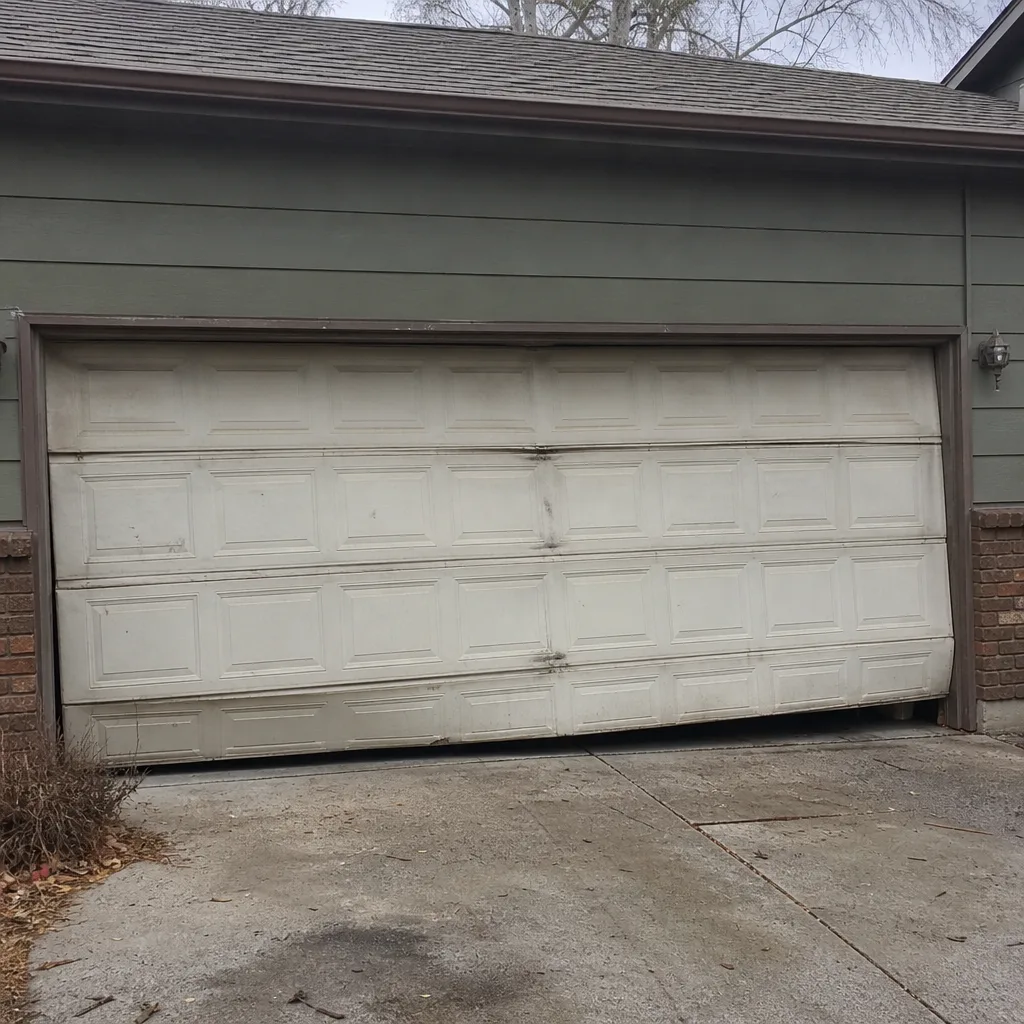 Before
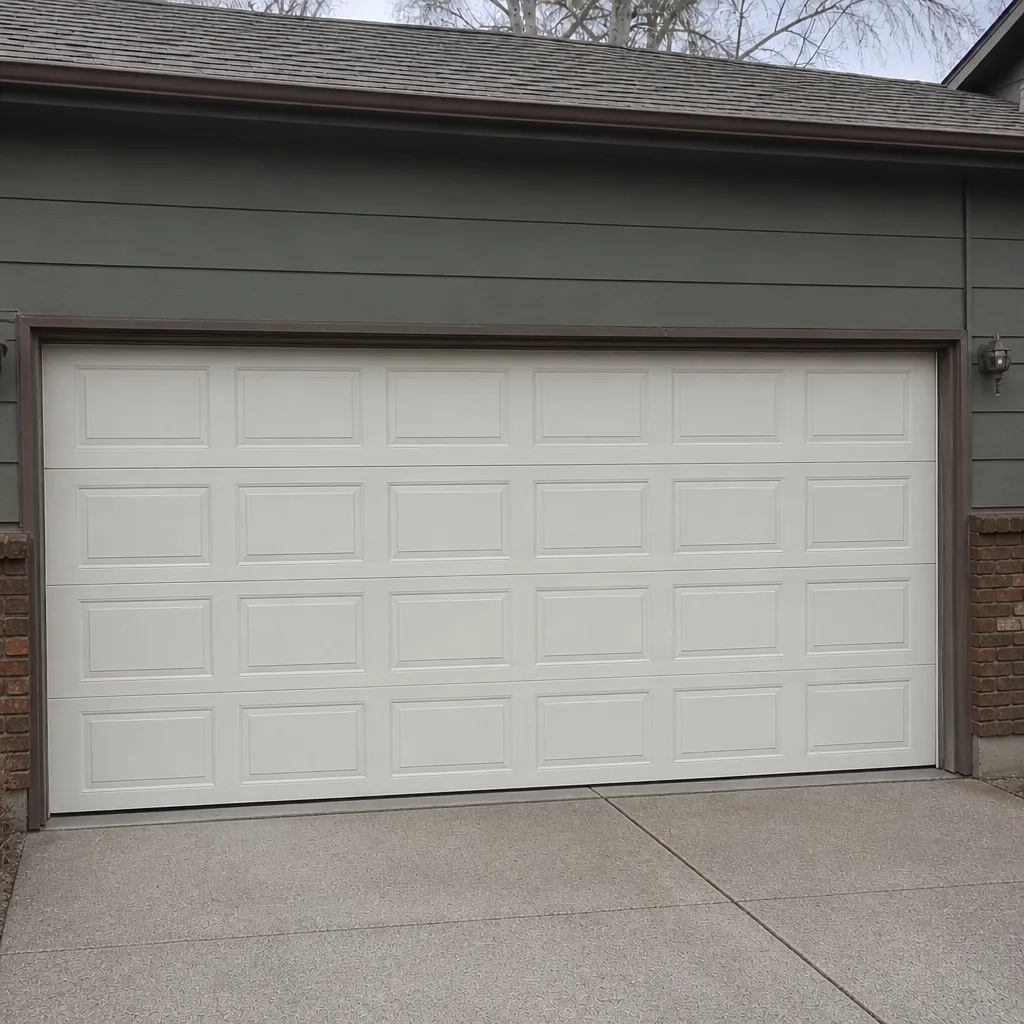 After
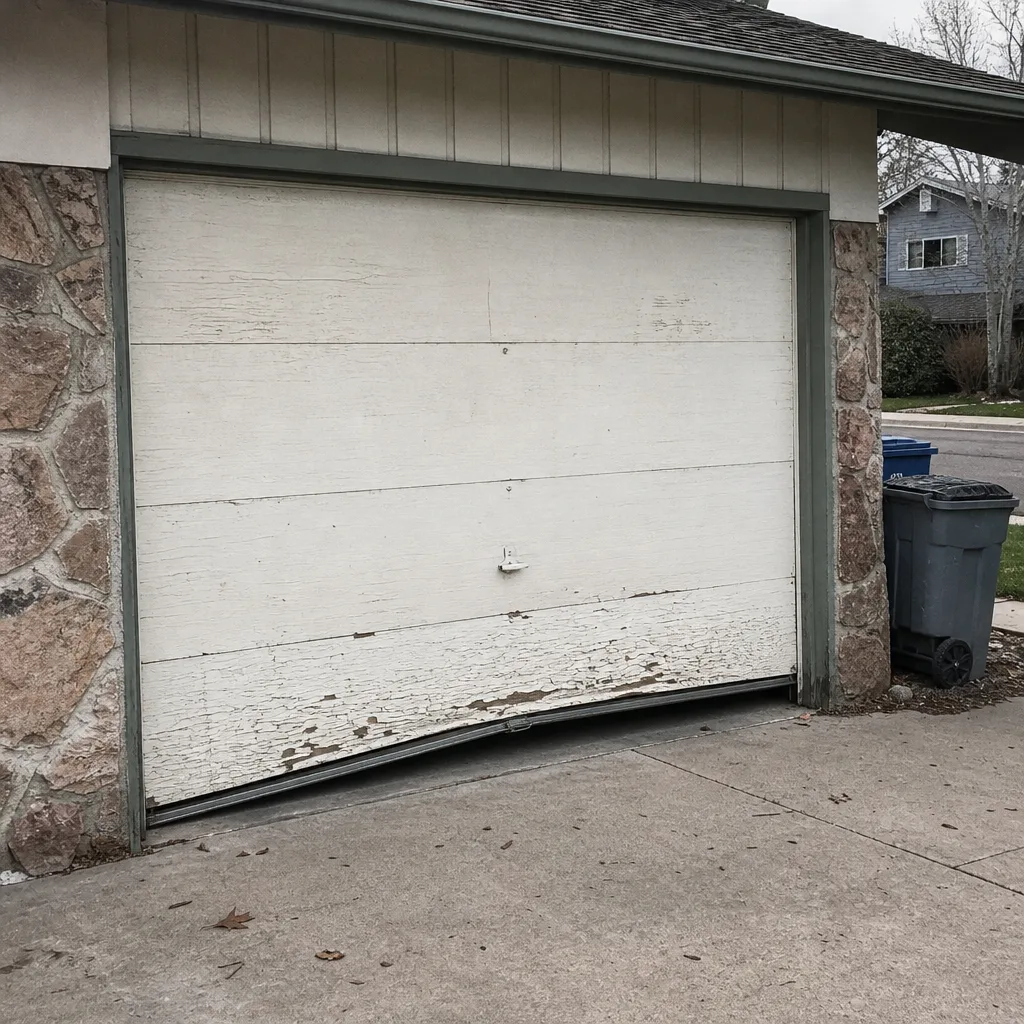 Before
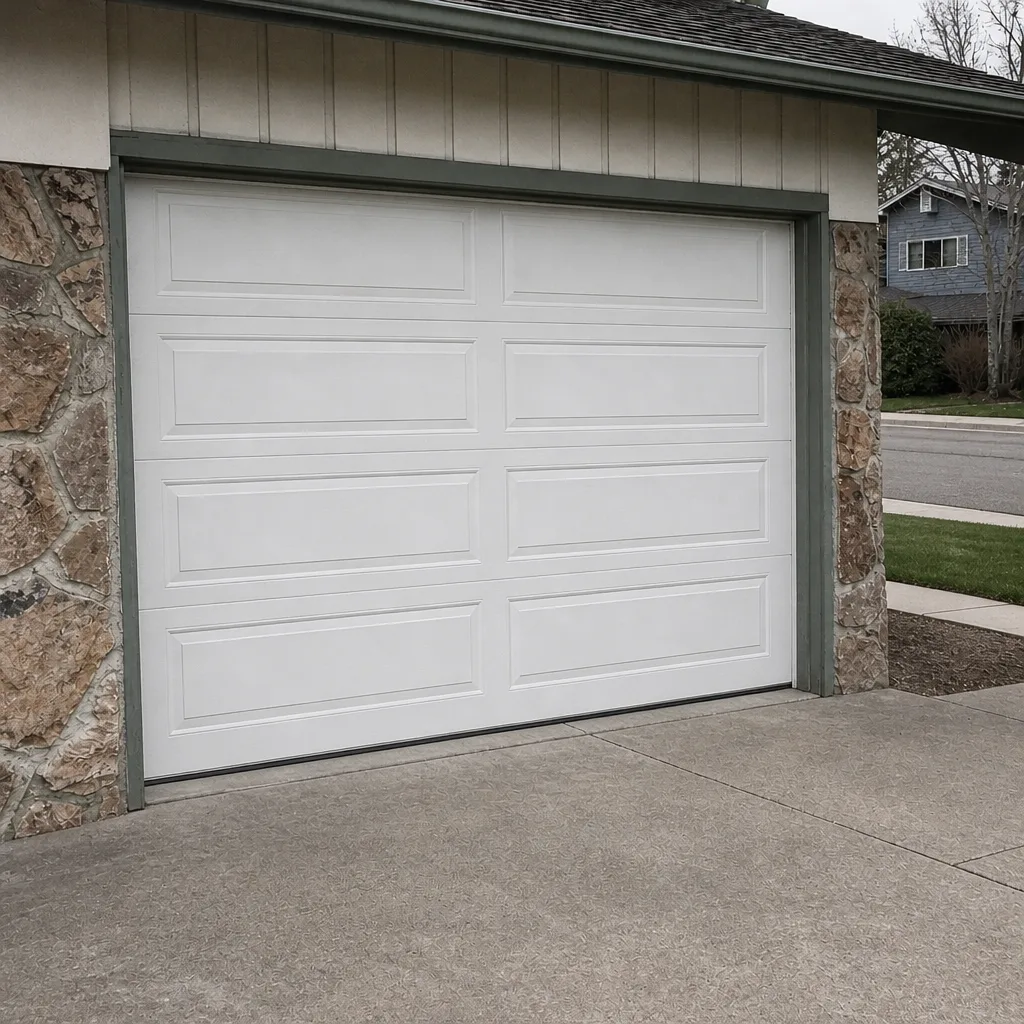 After
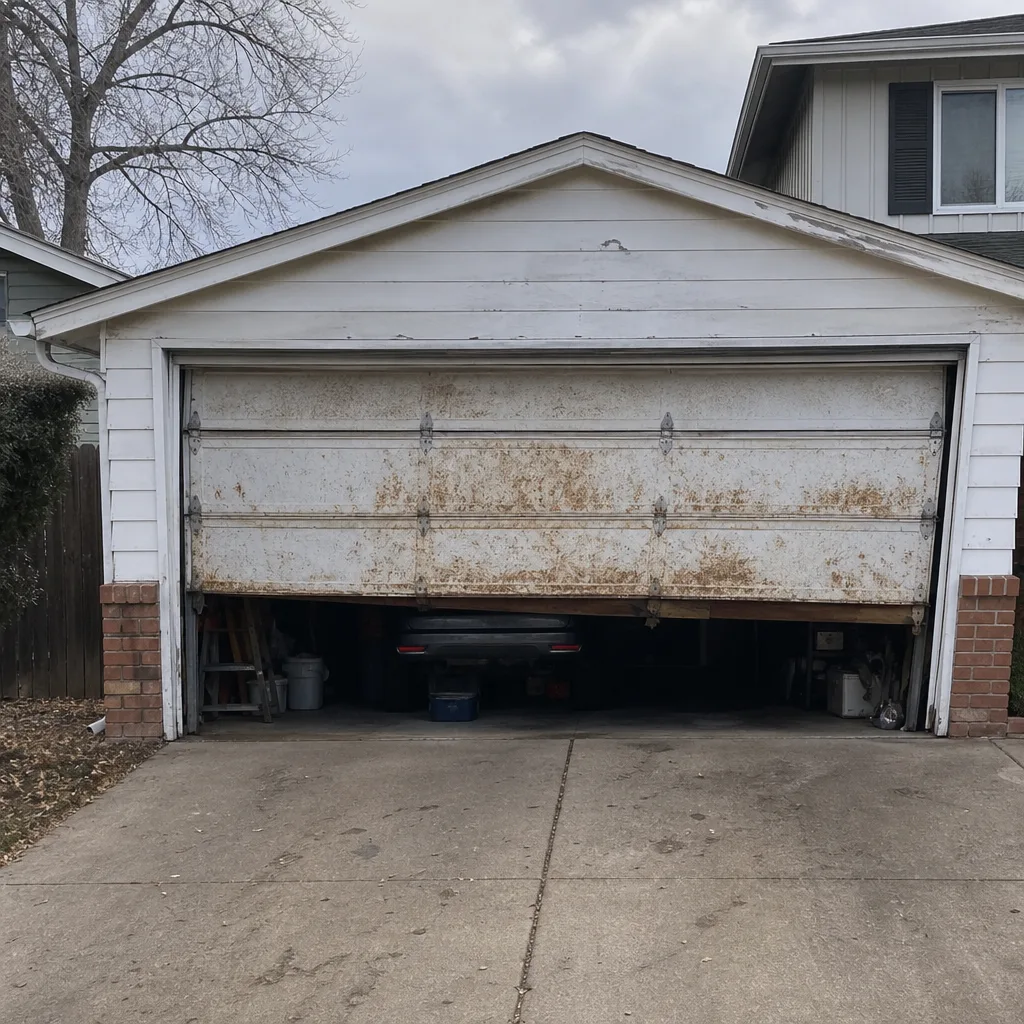 Before
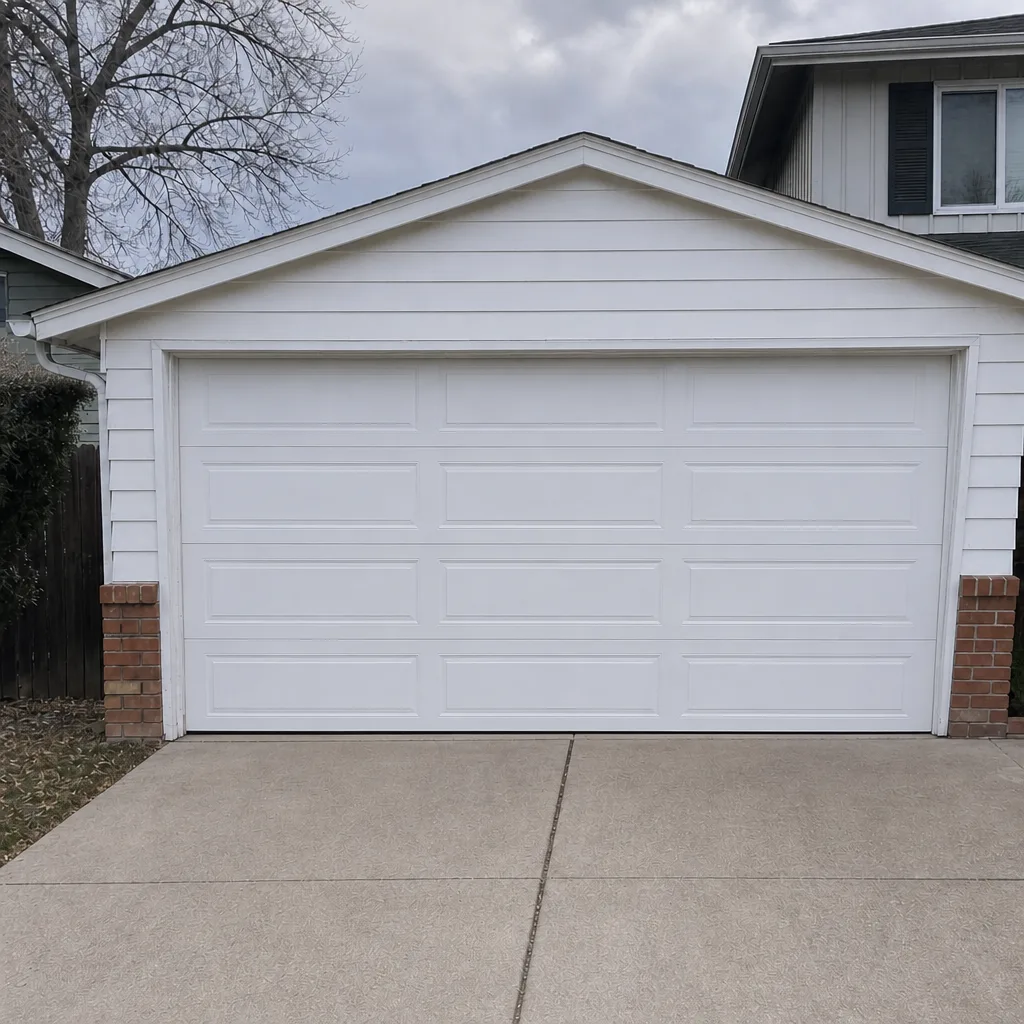 After
When to Call a Professional
Call a professional when the door is out of balance, when the springs or cables are involved, when the opener runs but the door doesn’t, or when a panel is damaged enough that a panel replacement is on the table. Torsion springs and cables are under extreme tension and can cause serious injury if handled without the right tools and training. Don’t attempt those yourself. If a door fails to open and you can’t see an obvious obstruction, a trained technician can diagnose it faster than you can research it.
Boulder Garage Door Service offers free estimates in Boulder and covers the full lifecycle: diagnosis, repair, opener work, and new-door installation. Call (855) 683-6002. We answer 24/7. Fast dispatch from 7am to 7pm, Sunday through Friday.
Frequently Asked Questions
For most Boulder homes, a steel Clopay or Amarr door with a polyurethane core in the R-12 to R-16 range is the practical sweet spot. It handles the dry cold, holds its finish under high sun, and is well supported by local parts. On a detached or unheated garage, a simpler non-insulated Wayne Dalton or CHI door is a fine choice. Call (855) 683-6002 for a free estimate in Boulder.
We work on Clopay, Amarr, Wayne Dalton, CHI, and the major opener brands including LiftMaster, Chamberlain, Craftsman, and Raynor. That covers the vast majority of doors and openers actually installed in Front Range homes, which means one call usually resolves the whole problem. Call (855) 683-6002 to confirm your brand and get a free estimate.
R-6 to R-12 is enough for an attached garage that isn’t used as living space, and R-12 to R-16 makes a real difference if you use it as a workshop, gym, or EV-charging space. A detached garage that isn’t heated barely benefits from insulation, so put the money toward a good seal and a matched opener instead. Call (855) 683-6002 for a recommendation based on your garage.
Brands with a strong Front Range parts chain are the ones common in Boulder’s housing stock, such as Clopay, Amarr, Wayne Dalton, and CHI. Springs, rollers, and hinges are nearly universal, so a wait mostly shows up on panel replacements or proprietary seals. Ask any technician which brands they can service without a special order, and call (855) 683-6002 for an exact quote with no surprise waits.
Usually pro-rated coverage on the steel panels against rust-through, limited to the original purchaser, and often excluding springs, hardware, finish, and labor. The panel coverage shrinks over time, and selling the house usually shortens coverage for the next owner. Read the exclusions and ask what a panel replacement would cost with and without the warranty before you commit. Call (855) 683-6002 to compare brands on those terms in a free estimate.
Not always, but they need to be checked together. A new, heavier insulated door paired with an old, underpowered opener will wear out faster, and an opener that runs but the door doesn’t can be a balance problem rather than an electronics problem. We diagnose the door and opener as one system so the fix is the right one. Call (855) 683-6002 for a free estimate on either or both.
The Bottom Line
Picking the right garage door brand in Boulder comes down to three things: whether the materials suit this climate, whether a local technician can get parts quickly, and whether the warranty language protects you when you read past the headline. For most attached garages, a steel Clopay or Amarr door with a polyurethane core is the practical choice. For detached or unheated garages, a simpler Wayne Dalton or CHI door works well. Match the door to the opener, check the seal chemistry, read the warranty fine print, and get a written estimate before ordering. The written estimate is what you pay, quoted and agreed before any work starts, and the estimate itself is free. If the process feels like a lot to sort through, that’s what we’re here for.
Call (855) 683-6002 for a free estimate. We answer 24/7. Fast dispatch from 7am to 7pm, Sunday through Friday. Boulder Garage Door Service covers garage door repair, garage door opener repair, and installation across Boulder, and everything starts with our Boulder Garage Door Service team and a straightforward conversation about your door.
Written by the team at Boulder Garage Door Service.