
Last updated November 15, 2026
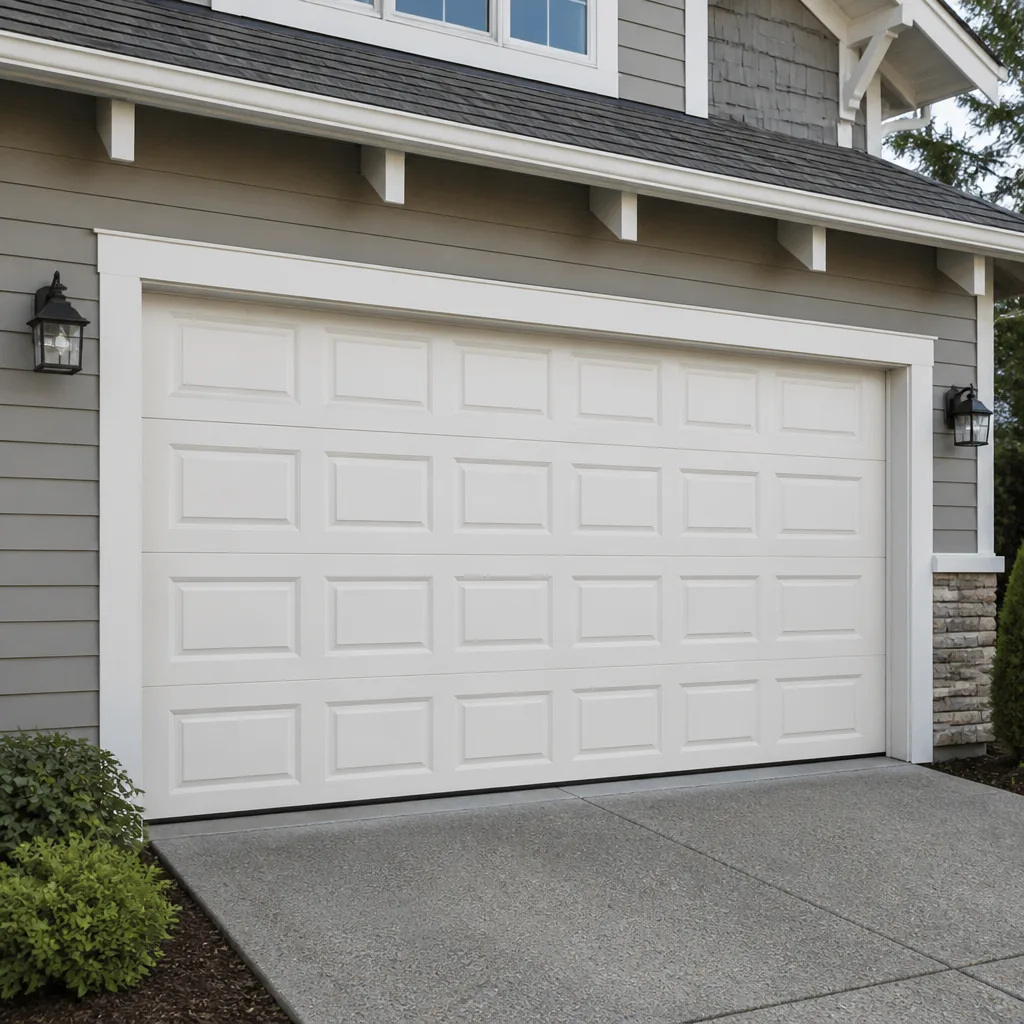 Raised-panel steel
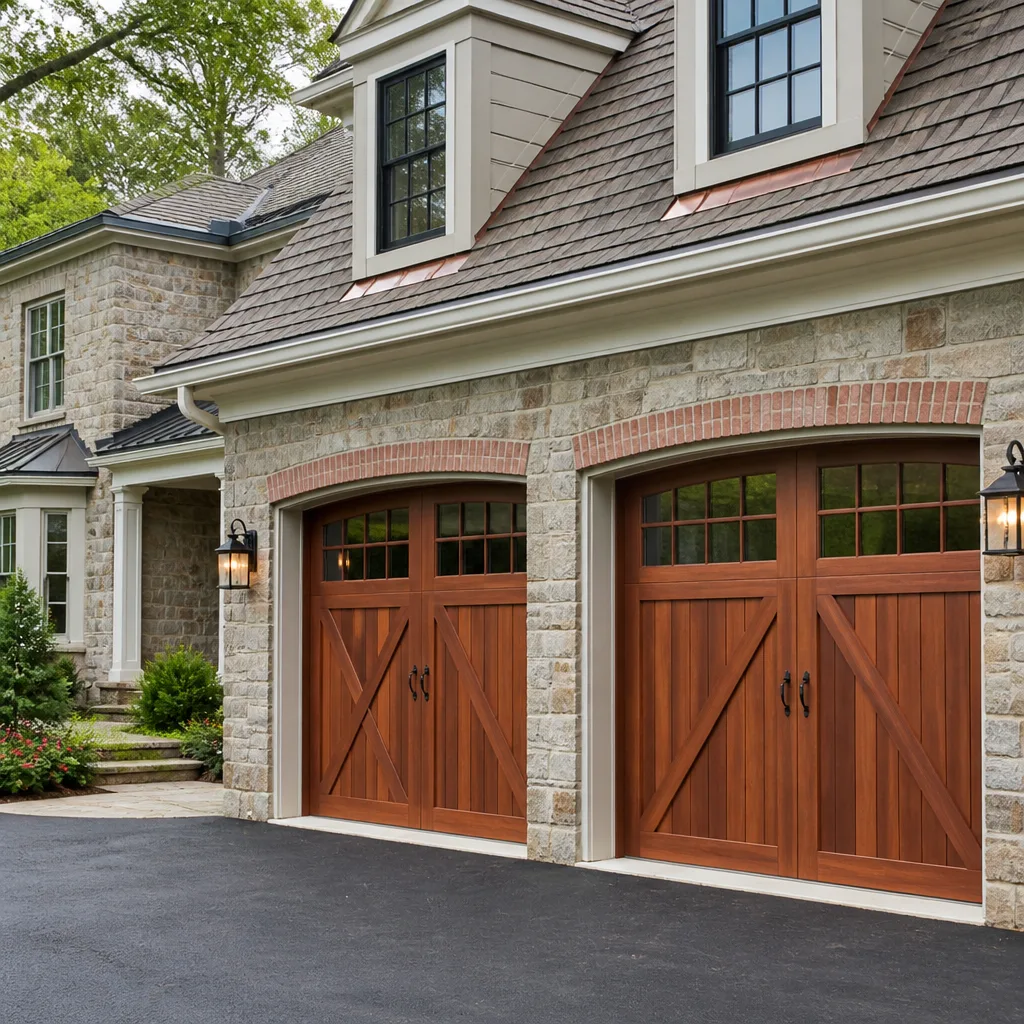 Carriage house
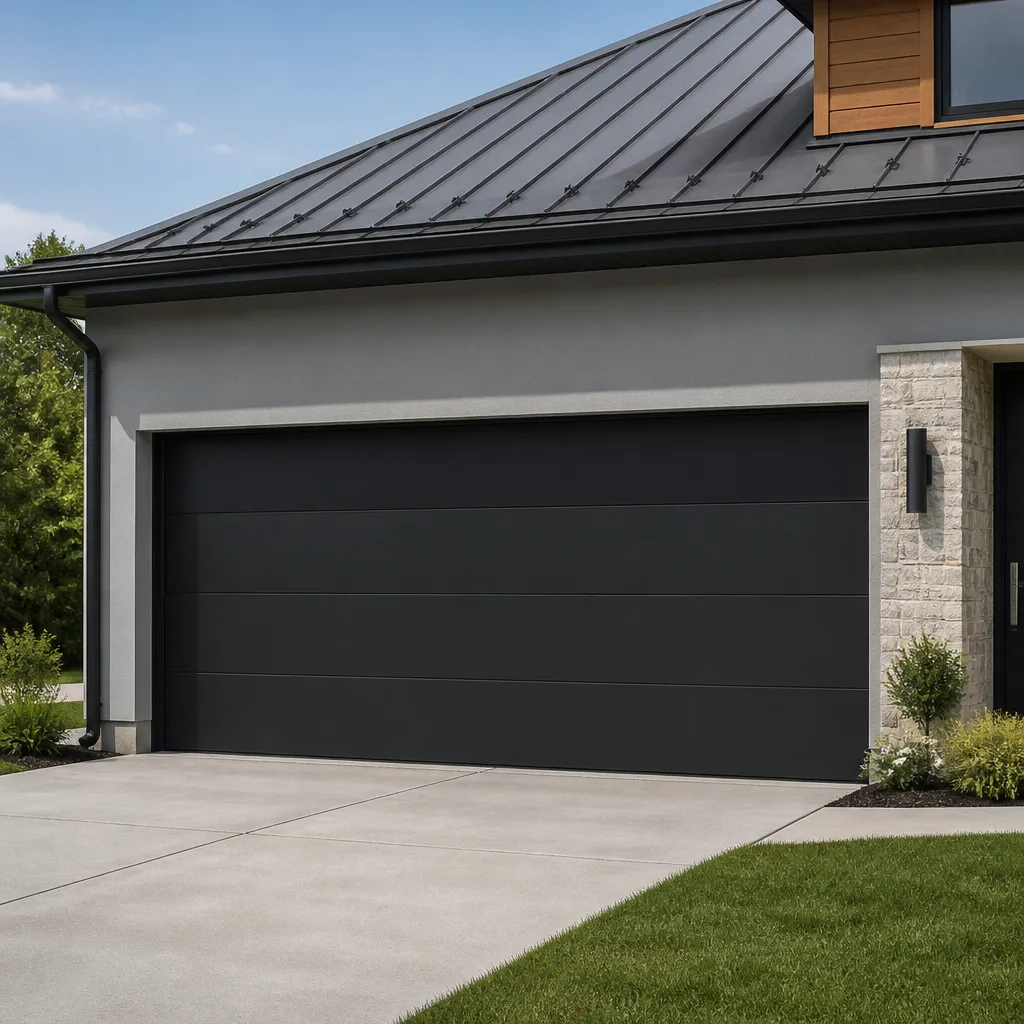 Modern flush
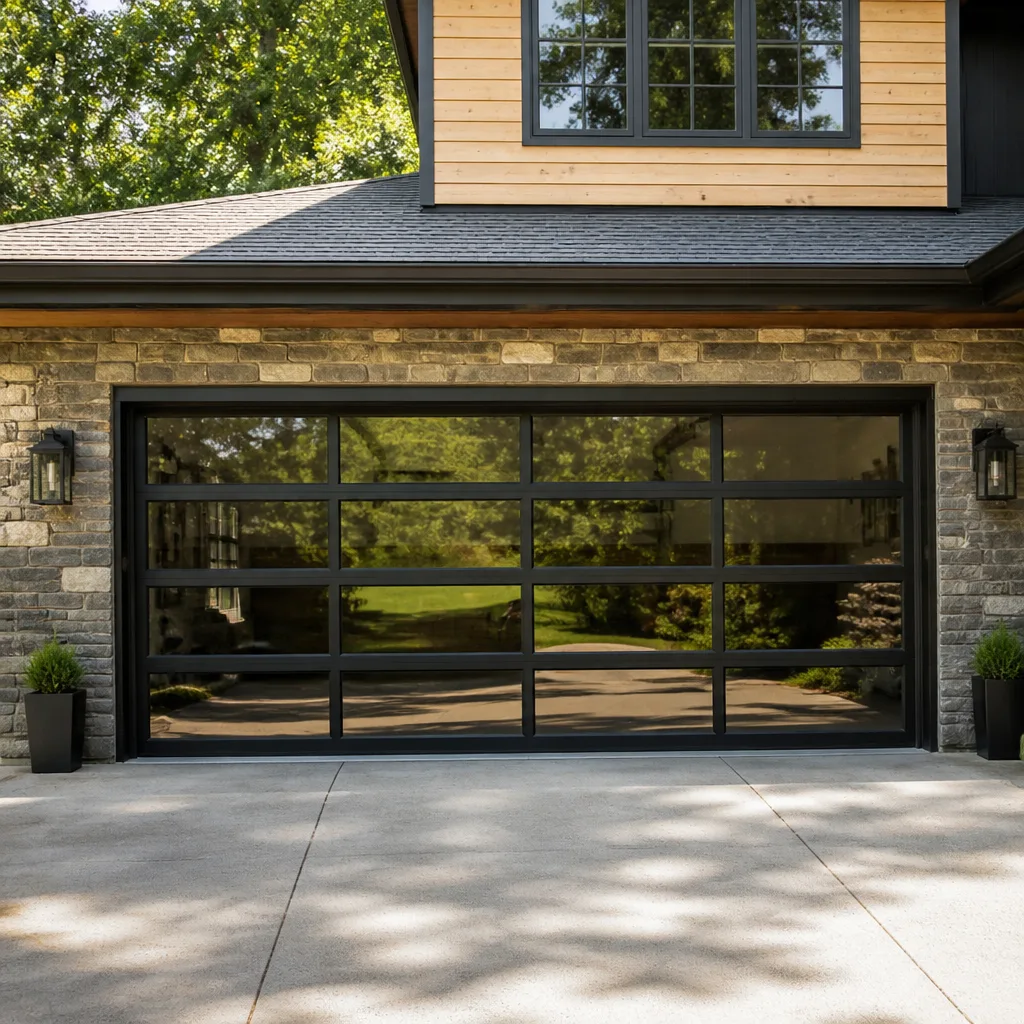 Full-view glass
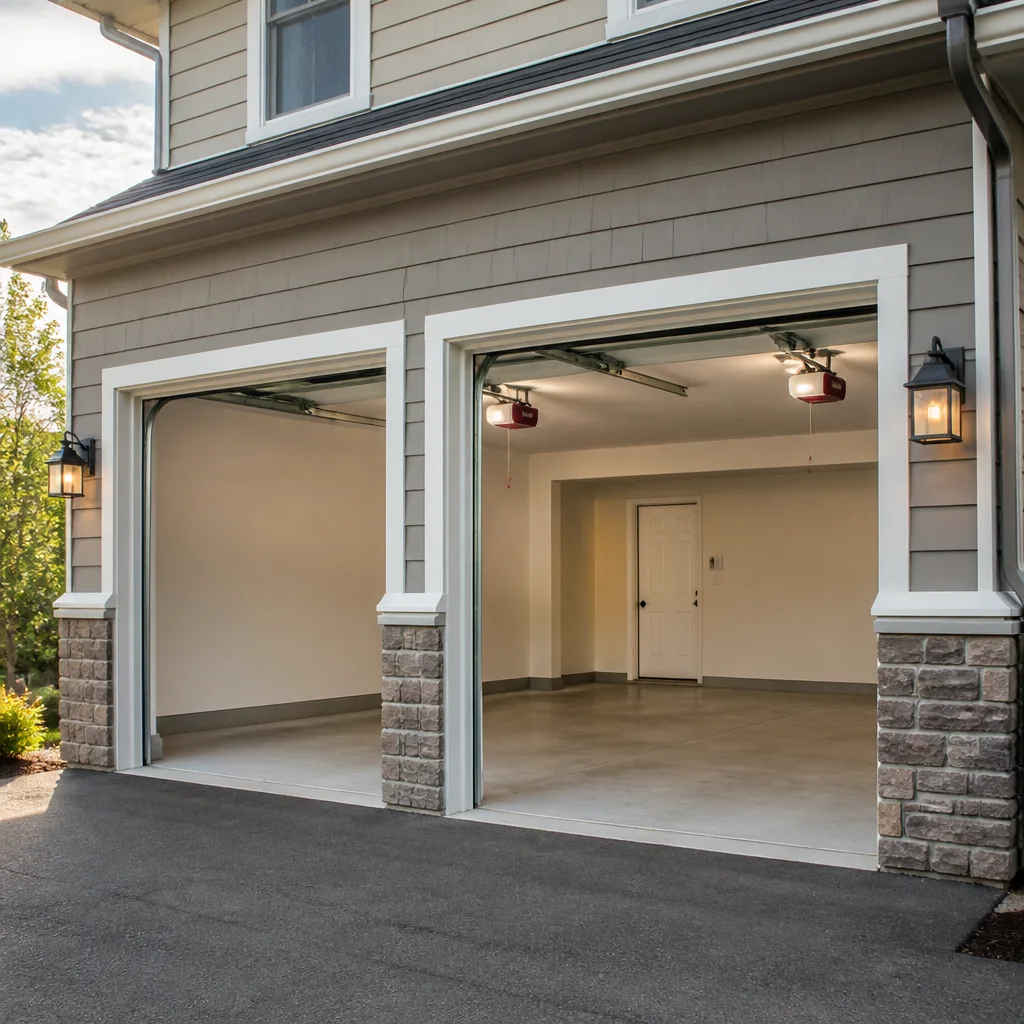 LiftMaster openers
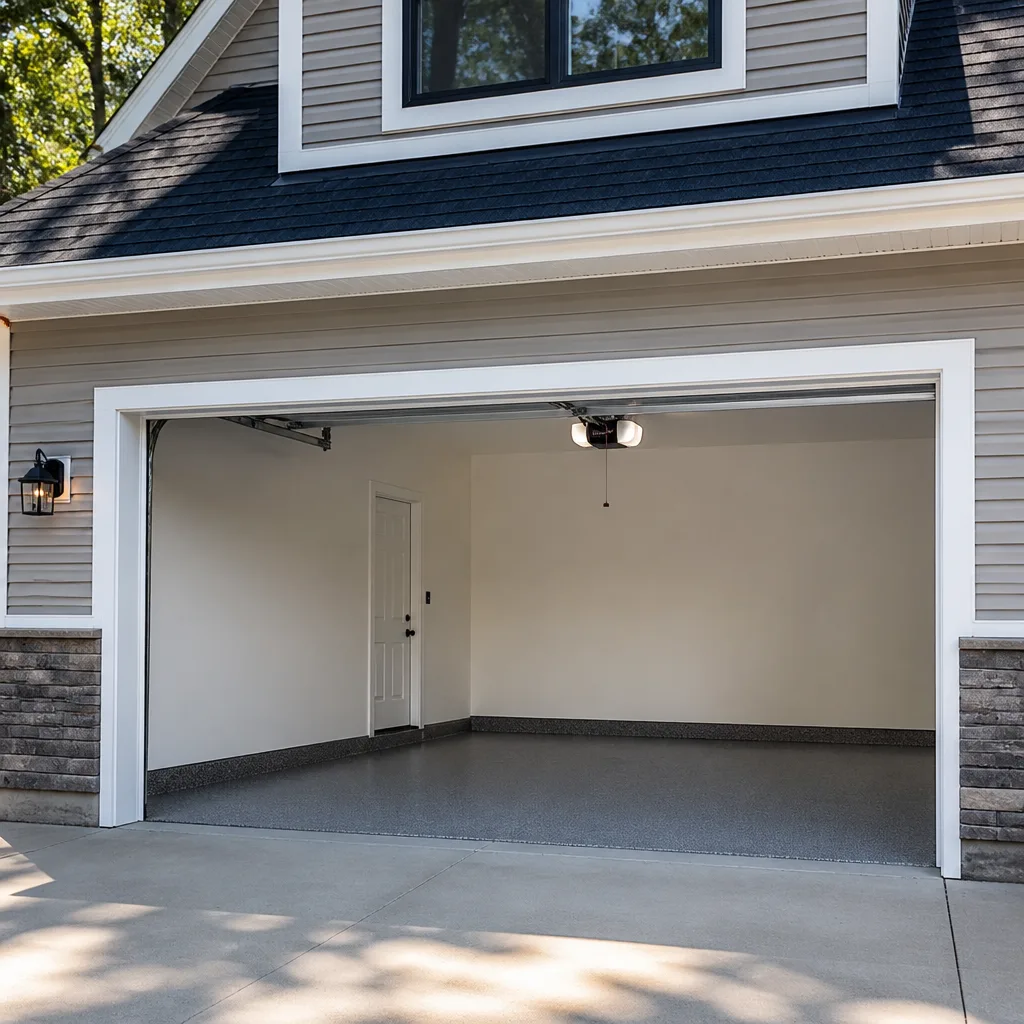 Chamberlain openers
Full 25-point door and opener safety check with every visit - springs, cables, rollers, tracks, and your LiftMaster or Chamberlain opener included
You get a price before we start. It does not change when the pro arrives.
Get your free estimateHow to Hire a Garage Door Contractor in Boulder: A Step-by-Step Guide
The cheapest garage door replacement quote you’ll get in Boulder often comes from a general handyman who buys whatever door is available that week, not from a specialist who already knows the brand hanging in your garage. That’s the trap. A garage door is a balanced mechanical system tied to an electronic opener, and the two have to work together. Get a generalist who guesses at the spring weight or the opener’s travel limits and you’ll be calling someone else in a month. This guide walks you through what to verify, what to ask, and what to walk away from. It covers Colorado licensing, the phone questions that expose a generalist, and how to read reviews that actually tell you something. And yes, it’s written from a Boulder point of view, because the local contractor pool here is smaller and more varied than what you’d find down in Denver.
Quick Answer
To hire a garage door contractor in Boulder, verify the company’s Colorado registration and liability insurance, confirm it specializes in garage doors rather than general handyman work, and ask which brands it’s factory-familiar with (LiftMaster, Clopay, Amarr, and Chamberlain cover most local homes). Get one written, on-site estimate from the right specialist instead of chasing three quotes from generalists. Insist the price is quoted and agreed before any work starts.
Styles & brands we work with
- Raised-panel steel
- Carriage house
- Modern flush
- Full-view glass
- LiftMaster openers
- Chamberlain openers
Table of Contents
- Why Hiring in Boulder Is Different From Denver
- Colorado Licensing and Insurance: What to Verify
- How to Tell a Specialist From a Generalist
- The Questions That Reveal a Real Contractor
- Why One Good Quote Beats Three Mediocre Ones
- How to Read Reviews for Garage Door Companies
- Red Flags Specific to Smaller Markets
- What Boulder’s Climate Asks of Your Door
Why Hiring a Garage Door Contractor in Boulder Is Different From Denver
Boulder’s contractor pool is smaller, and that changes the math. In a metro the size of Denver, you can throw a rock and hit five garage door companies. Here, the field is narrower, response times spread out more, and not every company on the list services the full range of brands sitting in Boulder garages. That spread is the thing to plan around.
The housing stock makes it harder still. Boulder has a mix of older homes with original or near-original doors and newer builds with modern insulated doors and smart openers. A contractor who only ever installs one brand of new door may have never touched the legacy equipment still opening and closing in neighborhoods like Martin Acres or Table Mesa. That’s not a knock on them; it’s just a coverage gap. When you hire, you’re partly hiring brand familiarity.
Weather is the third variable. Boulder sits at elevation, gets hard freeze-thaw swings, and takes steady sun on south-facing garages. That combination stresses springs, rollers, and weather seals over time. A local contractor who works here regularly understands what the climate does to hardware, and can tell you which parts wear fastest in this city rather than reciting a generic script.
None of this makes hiring in Boulder hard. It makes it deliberate. You want a company that already knows the brand on your house, services both the door and the opener, and can tell you what the local climate does to the parts. That’s a narrower target than “any garage door company,” and it’s the target this guide helps you hit.
Colorado Licensing and Insurance: What to Verify in 60 Seconds
Colorado does not license garage door contractors under a single statewide trade license the way some states license electricians or plumbers. Instead, contractors register with the state and carry their own liability insurance and workers’ compensation coverage. That means the verification burden sits with you, and it takes about a minute if you know what to ask for.
Here’s how to confirm a contractor is legitimate before you let them in your garage:
- Ask for the state contractor registration. Any legitimate company can provide it on request. If they hesitate or say “we don’t need one,” that’s your answer.
- Ask for a certificate of liability insurance. It should name the company and show current coverage. A real company produces this without fuss.
- Confirm workers’ compensation coverage. If someone gets hurt on your property and the company isn’t covered, the exposure can land on you.
- Cross-check the business name. The name on the insurance certificate should match the name on the quote and the name on the truck. Mismatches are a sign of a subcontractor chain or a fly-by-night operation.
- Ask whether they pull permits when one is required. Garage door replacement sometimes needs a permit depending on the scope and your city’s rules. Ask Boulder’s building department directly if you’re unsure; don’t take a contractor’s word as the final say.
This is the part where a specialist separates from a generalist fast. A dedicated garage door company answers these questions without blinking because it deals with them constantly. A handyman filling a service gap often can’t produce the paperwork, and that tells you everything before any work begins.
The other piece of this is safety. Garage doors run on high-tension springs and cables under serious load. A spring under tension can cause severe injury if it’s handled wrong, and that’s not a job for someone learning as they go. When you hire, you’re not just buying convenience; you’re buying the assurance that the person working on the mechanism knows what they’re doing. If a quote seems unusually cheap, ask yourself what’s being skipped.
How to Tell a Specialist From a Generalist
The fastest way to spot a generalist is to listen for what they can’t answer. A true garage door specialist talks fluently about torsion versus extension springs, opener travel limits, photo-eye alignment, and the model quirks of specific brands. A generalist talks about “fixing the door” and quotes a number.
Here’s what separates the two in practice:
- Brand fluency. A specialist knows the major brands cold: LiftMaster, Chamberlain, Genie, Clopay, Amarr, Wayne Dalton, Craftsman, and Raynor. Ask which ones they’re factory-familiar with and listen for specifics. If they can’t name the opener brand on your wall, that’s a signal.
- Whole-system expertise. The door and the opener are two systems that must work together. A specialist handles both, so one call resolves the whole problem. A generalist may fix the door and leave you hunting for someone to diagnose the opener.
- Diagnosis before parts. A specialist finds the actual cause before recommending replacements. A generalist often swaps the obvious part and hopes it sticks.
- Complete lifecycle. Repair, opener repair, and new-door installation all under one roof means you’re not bounced between companies when the job grows.
We’ve built our work around exactly this: certified service on eight of the most widely installed brands in North America, both legacy names and current industry leaders, with all three service lines handled in-house. It’s not a credential to brag about; it’s the difference between a technician who already knows your system and one who’s meeting it for the first time. That matters in a market like Boulder, where a wrong first guess can cost you a second visit.
When you’re evaluating a company, ask the brand question directly. It’s the single most revealing thing you can ask, and it costs you nothing.
The Questions That Reveal a Real Contractor
You don’t need a long interview. A handful of targeted questions will tell you whether you’re talking to a specialist or someone filling a gap. Ask these before you book anyone.
- “Which brands do you service, and which do you know best?” A specialist names specific brands and explains model quirks. A generalist gets vague.
- “Do you handle both the door and the opener?” You want a yes. One call should cover the whole system.
- “Will you look at the door on-site before quoting?” A real quote comes after an on-site look. A number given blind over the phone is a guess or a sales tactic.
- “What’s the written warranty, and what exactly does it cover?” Vague warranty language is a red flag. You want terms you can read.
- “Is the price quoted before work starts?” The answer must be yes. The written estimate sets the final price, and you should agree to it before anyone touches the door.
- “Are your technicians licensed and insured?” Covered in the previous section. Ask it anyway; how they answer tells you a lot.
- “Can you tell me what typically goes wrong with my brand of opener?” A specialist can. This is the question that separates the field.
Ask these on the phone and you’ll filter out the wrong companies in about five minutes. The companies that answer well are the ones worth your time. If you’re already leaning toward booking, our Boulder Garage Door Service team fields these questions every day and gives straight answers.
One more thing to ask: whether the company works on your door’s specific mechanism. Older Boulder homes sometimes have hardware that newer generalists have never seen. A specialist will know whether your setup is routine or unusual before committing to a visit.
Why One Good Quote Beats Three Mediocre Ones
Conventional advice says get three quotes. On a garage door job, that advice can work against you. Door springs, openers, and replacement panels aren’t commodities; the price depends heavily on the brand, the weight of the door, the spring type, and the opener’s specs. Three quotes from three companies that each guess at your setup won’t tell you which is fair. They’ll tell you which is lowest, and lowest often means least informed.
Here’s the reasoning in plain terms:
- Price depends on diagnosis. A torsion spring job and a broken cable job carry different price ranges. A quote without an on-site look is guessing at which you have.
- Brand changes the number. A Clopay panel replacement and a generic panel aren’t the same job. The right contractor quotes against the equipment you actually own.
- Cheap quotes often skip verification. The lowest number sometimes comes from someone who hasn’t confirmed the spring weight or opener compatibility. You find out later.
- One specialist’s written estimate is worth more than three blind numbers. It reflects what’s actually on your door, and it’s the number that will hold.
The better approach is to figure out which contractor is right, then get one thorough, written, on-site estimate from them. Ask for the price to be quoted and agreed before work starts. A specialist is comfortable with that because they’ve done the diagnostic work first. A generalist may not be.
Estimates are free, and that’s the standard to expect. If you’re comparing options, focus on the completeness of the estimate rather than the size of the number. A detailed quote that accounts for your specific door and opener is more useful than a low number that’s missing half the job.
How to Read Reviews for Garage Door Companies
Reviews are useful, but not in the way most people read them. Star averages are noise. What matters is what the reviews describe, and whether the descriptions match a specialist. A five-star average across twenty reviews that all say “quick and friendly” tells you less than a handful of detailed reviews that mention a brand name, an opener model, or a specific repair done right.
Look for these signals:
- Specificity over sentiment. Reviews that mention the brand serviced, the repair performed, or the opener model solved are worth ten “great service” reviews.
- Patterns, not outliers. One bad review is noise. A pattern of complaints about the same thing (warranty disputes, prices changing after the fact, no-shows) is a signal.
- Recency. Reviews from the last year tell you about the company that exists now, not the one that operated a decade ago.
- How the company responds. A company that answers criticism with specifics and civility handles itself better than one that argues or ignores.
- Consistency of detail. If reviews repeatedly mention a particular brand or repair, the company probably does specialize in it.
What’s coin-flip noise: star ratings with no text, reviews that read like they were written by someone in a hurry, and any review that mentions a competitor by name. Skip those and read for detail. In a smaller market like Boulder, you won’t have thousands of reviews to comb through, so read the detailed ones carefully. They’ll tell you more about specialization than any list of credentials.
Red Flags Specific to Smaller Markets
Boulder’s smaller contractor pool creates a specific set of traps. Here’s what to watch for.
- Vague warranty language. “Warranted” with no terms is meaningless. Ask what’s covered, for how long, and under what conditions. If they can’t tell you, that’s a problem.
- No local address. A company that can’t tell you where it’s based or where it operates from raises questions. This isn’t about being local for its own sake; it’s about accountability. If something goes wrong, you want a company you can reach.
- Quotes without an on-site look. In a small market, some companies quote blind to win the call. A price given without seeing the door or opener is a guess. Ask for an on-site estimate.
- Subcontracting the actual work. If the company that quotes isn’t the company that does the work, ask who actually shows up. You’re hiring the people who touch your door.
- No brand familiarity. If the company can’t name the brands it services, or gets evasive when asked, that’s a specialist gap. Common in a smaller market where generalists fill in.
- Pressure to decide on the spot. A legitimate contractor lets you think about a written estimate. Pressure to sign before you’ve reviewed it is a sales tactic.
- No confirmation of licensing or insurance. If asking for the paperwork produces excuses, walk. Covered earlier, worth repeating here because it’s the biggest red flag in a smaller market.
The common thread is information. The right contractor gives it freely. The wrong one makes you work for it or doesn’t have it at all. If you’re weighing whether a company clears these bars, Boulder contractors worth their salt will answer every one of these questions without hesitation.
What Boulder’s Climate Asks of Your Door
Boulder’s freeze-thaw cycles and steady sun exposure are hard on garage doors. Springs weaken under repeated temperature swings. Weather seals crack sooner than they would in milder climates. South-facing garage doors take the brunt of the sun and fade or warp faster than north-facing ones. None of this is a reason to panic; it’s a reason to understand what your door is up against.
What this means when you hire:
- Ask about spring longevity in this climate. A local specialist knows which spring types hold up better under freeze-thaw and can explain the difference.
- Ask about weather seal condition. A seal that’s failing in Boulder lets in cold air, moisture, and pests. It’s a small part with a real effect on how the door performs.
- Ask about opener performance in cold. Opener motors and chain or belt drives behave differently when temperatures drop. A specialist knows what to check.
- Ask whether the door needs balancing. A door that’s out of balance strains the opener and wears the springs faster. An on-site look catches this quickly.
Climate also affects which replacement parts are worth the money. A door that faces the sun all day benefits from different hardware choices than a shaded one. This is the kind of local knowledge a specialist brings and a generalist doesn’t. When you’re comparing contractors, ask what they recommend for your specific door orientation and exposure. The ones who answer with specifics are the ones who know Boulder.
For routine repair work, our garage door repair service is built around exactly these local conditions. If the problem turns out to be on the opener side, garage door opener repair is handled by the same team, which means one call covers the whole system.
Common Mistakes to Avoid
- Hiring the lowest bid without checking what it covers. A cheap quote often leaves out the actual diagnostic work. Read what’s included before comparing numbers.
- Skipping the insurance and registration check. It takes a minute and protects you from a liability headache. Ask for the paperwork before anyone shows up.
- Assuming any garage door company knows your brand. Brand familiarity varies. Ask specifically which brands the company is factory-familiar with; don’t assume.
- Accepting a phone quote as final. Garage door pricing depends on what’s actually in your garage. An on-site look gives you a real number.
- Ignoring the opener because the door is fixed. The door and opener are one system. If one had trouble, it’s worth having the other checked in the same visit.
- Letting a generalist fill a specialist’s job. In a smaller market, this is easy to do. Verify specialization before you book, not after.
- Overlooking warranty terms in writing. Get the warranty in writing and read it. Vague language means nothing when something goes wrong down the line.
See the difference
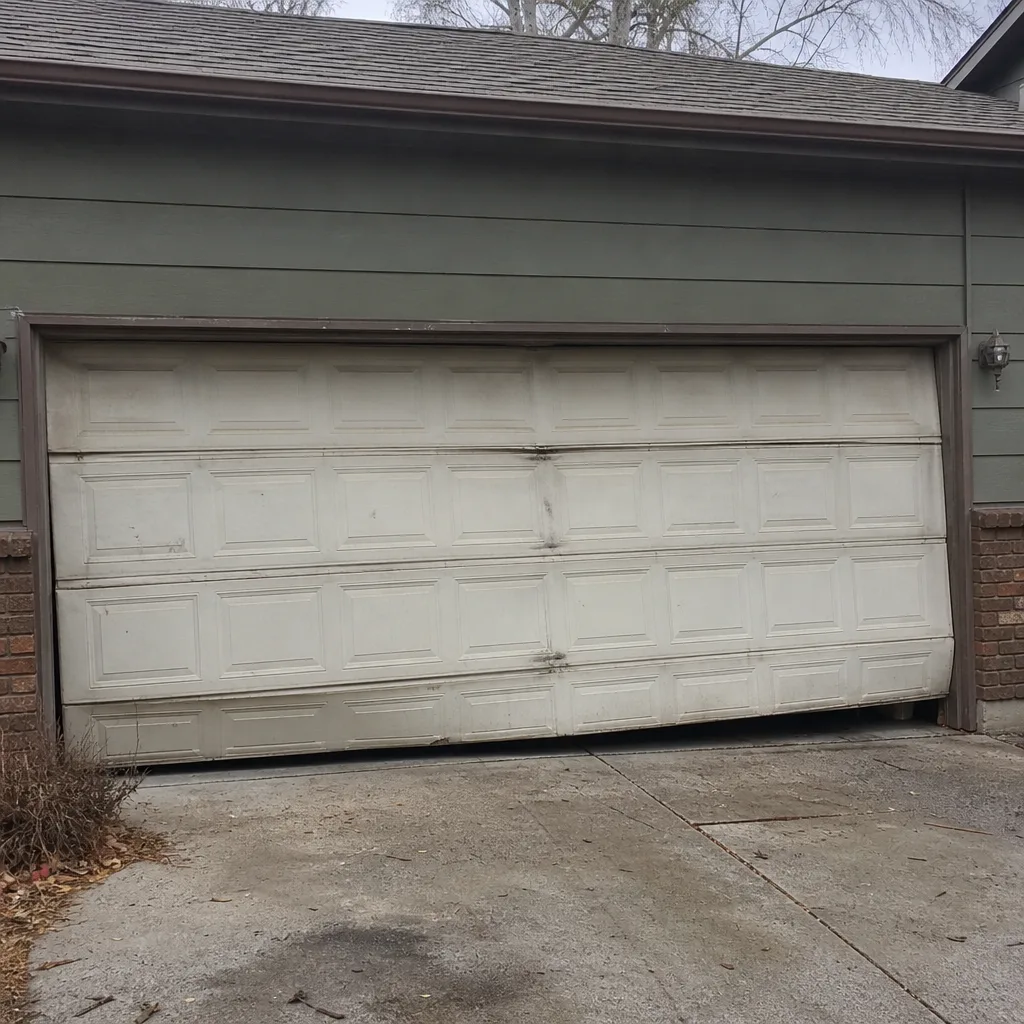 Before
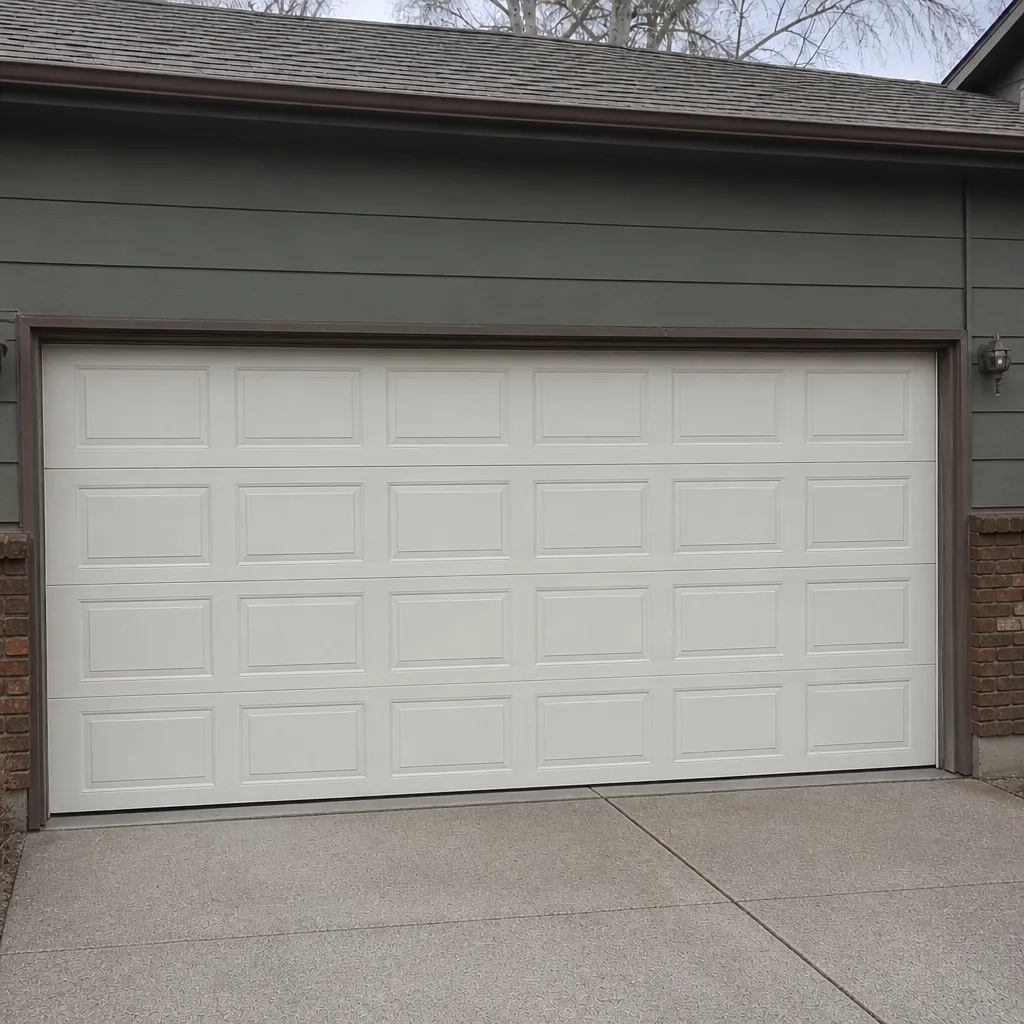 After
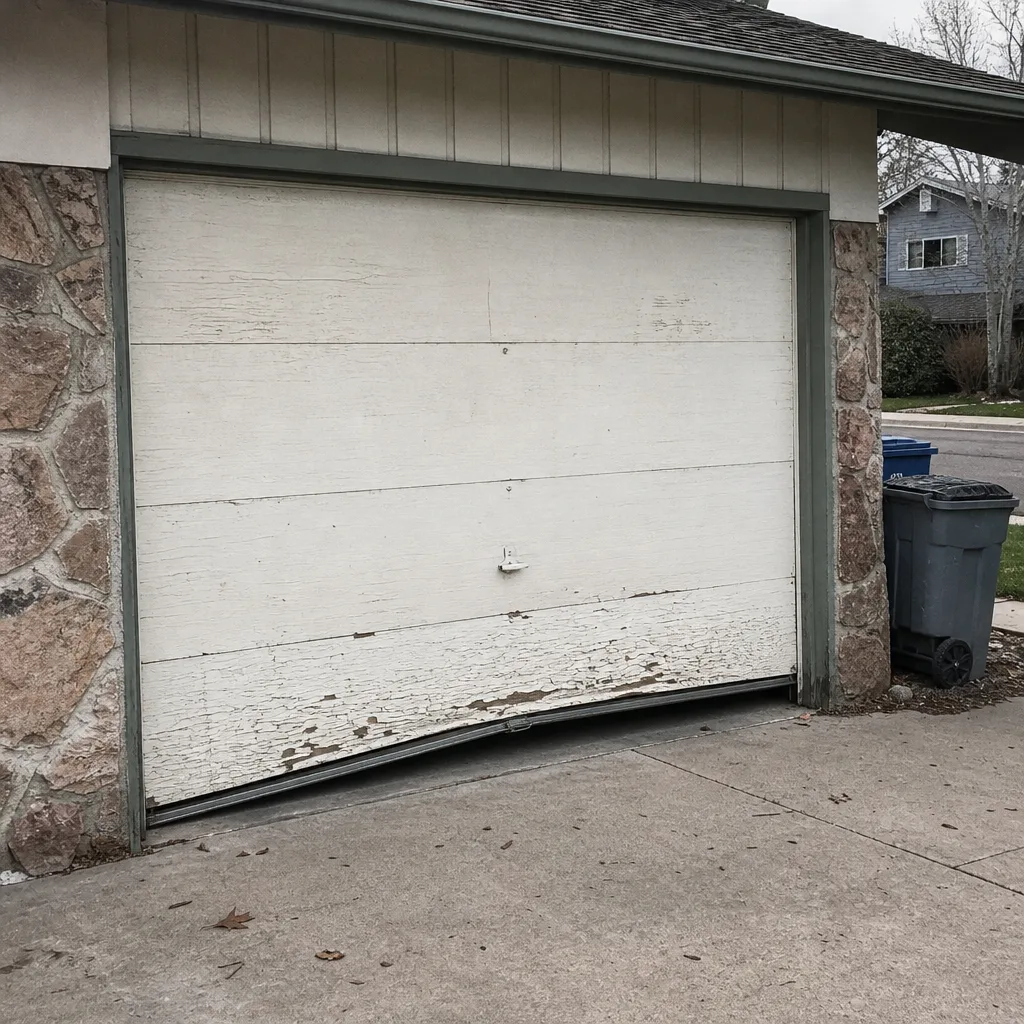 Before
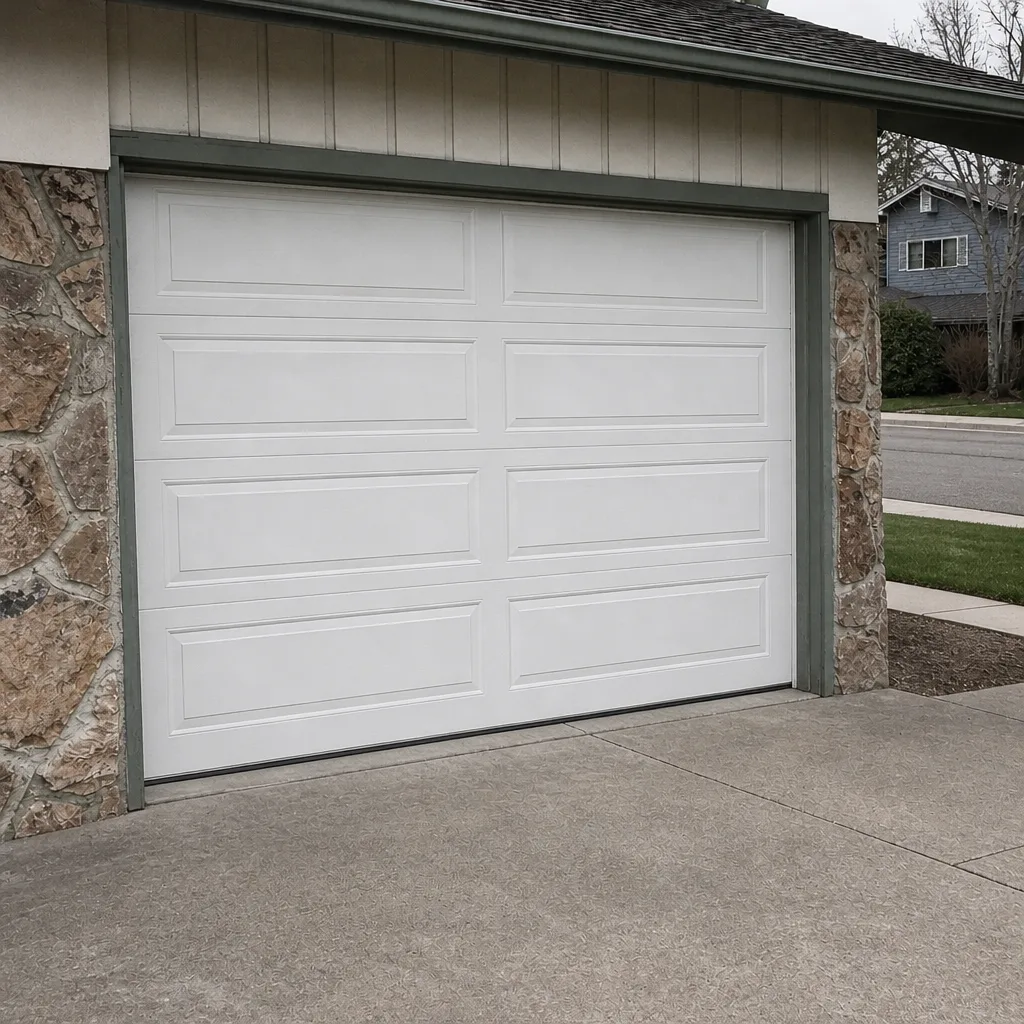 After
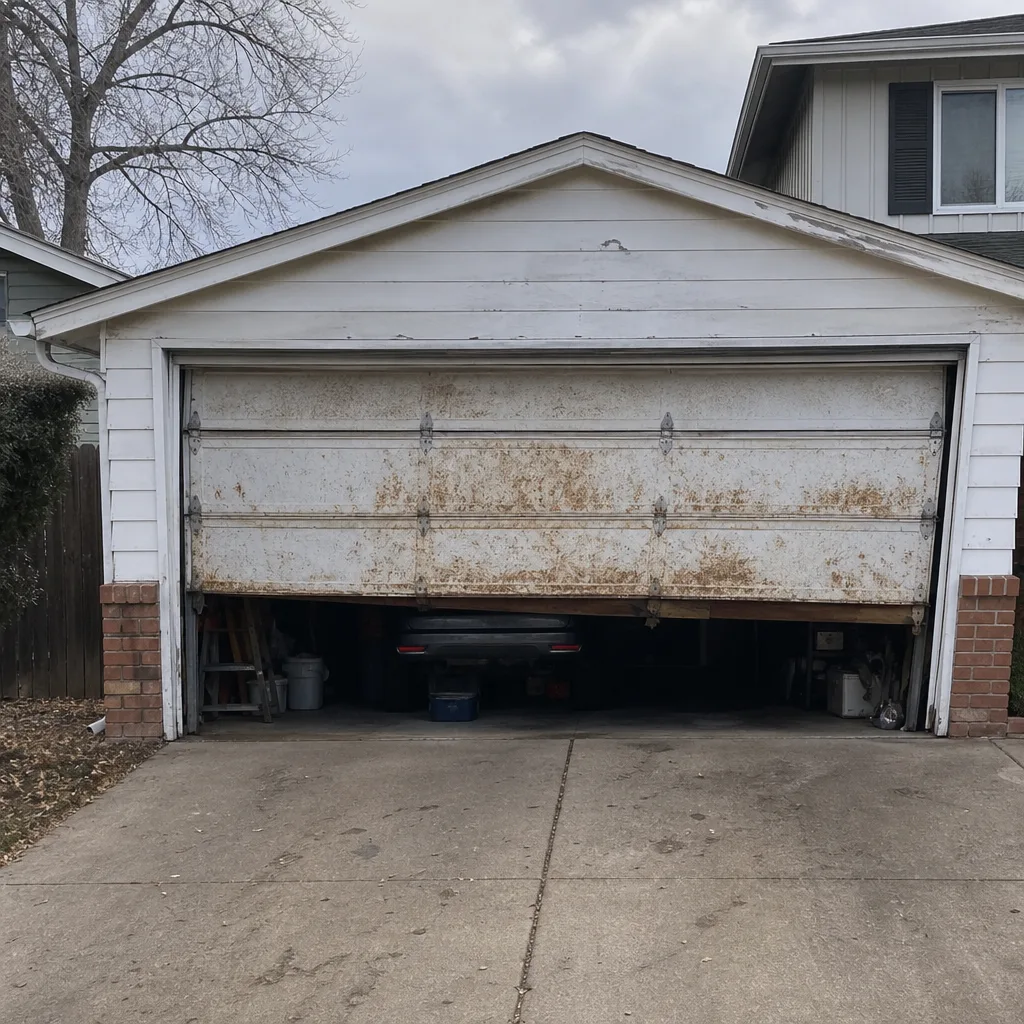 Before
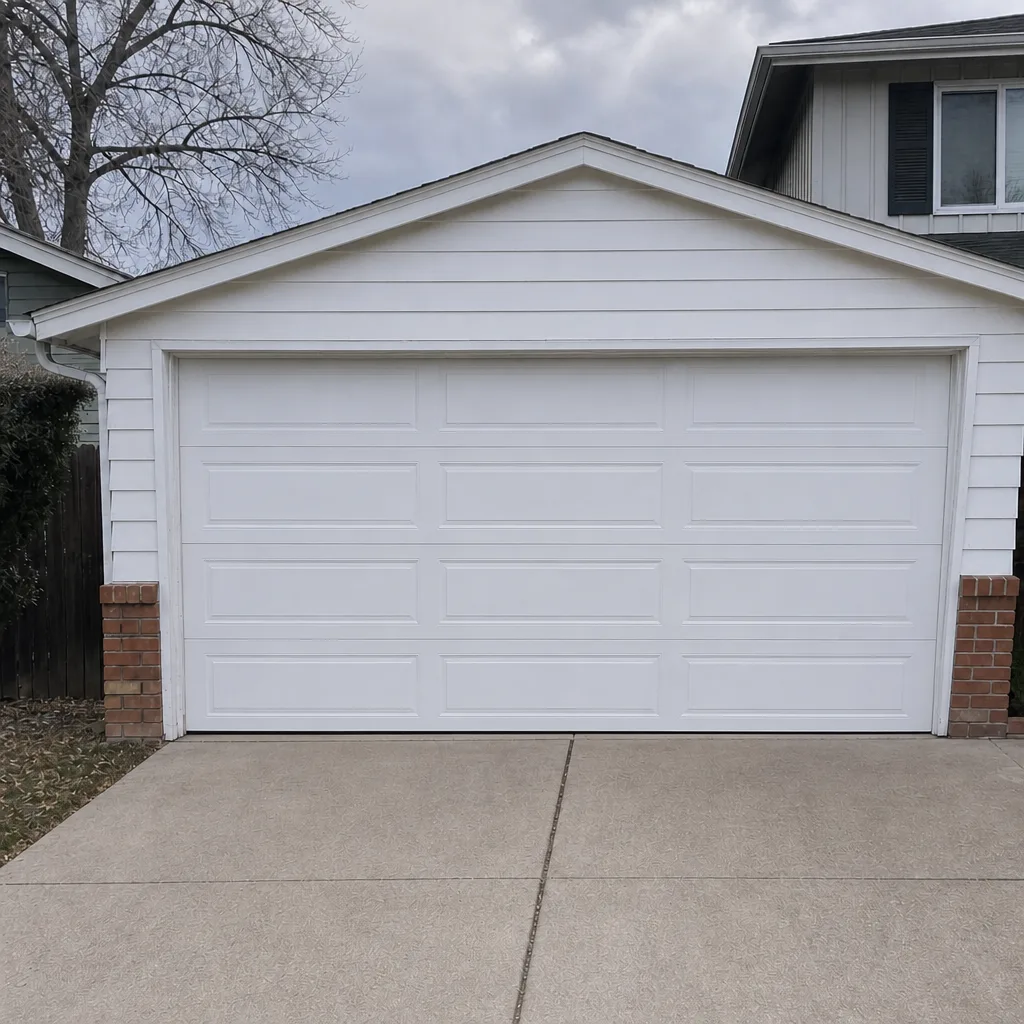 After
When to Call a Professional
Some garage door problems are obvious: a broken spring, a door that won’t open or close, a snapped cable, a door that comes off its track. Those are the cases to call a professional, because the mechanism carries dangerous tension and isn’t a job for anyone untrained. Beyond the obvious, call a pro if your door reverses unexpectedly, if the opener grinds or hesitates, if the door feels heavy to lift manually, or if you notice uneven gaps at the bottom. Each of these can point to a deeper issue that gets worse if left alone. In Boulder’s climate, a door that struggles in the cold is worth a professional look before it fails outright. Boulder Garage Door Service offers free estimates in Boulder. Call (855) 683-6002 to book one. We answer 24/7. Fast dispatch from 7am to 7pm, Sunday through Friday.
Frequently Asked Questions
Colorado doesn’t issue a single statewide trade license for garage door contractors. Instead, ask for the contractor’s state registration, liability insurance certificate, and workers’ compensation coverage, and verify the business name matches across all three. Call (855) 683-6002 for a free estimate. We answer 24/7. Fast dispatch from 7am to 7pm, Sunday through Friday.
Garage door repair pricing in Boulder depends on the specific problem: spring replacement, cable repair, opener issues, and panel damage all carry different ranges. The written, on-site estimate sets the final price, and estimates are free. Call (855) 683-6002 for an exact quote.
Same-day service is often available for repair calls, depending on the schedule and the work involved. Installation and replacement are scheduled after a free measure and written price. Call (855) 683-6002 to check availability. We answer 24/7. Fast dispatch from 7am to 7pm, Sunday through Friday.
No: the price you’re quoted after the on-site look is the price you agree to before work starts. A phone estimate is a starting point; the written on-site estimate is the real number. Call (855) 683-6002 for a free estimate and a firm quote.
Yes. Our technicians are covered by liability insurance and workers’ compensation, and we can provide the paperwork on request. Our technicians have up to 9 years of experience. Call (855) 683-6002 to book an appointment.
Ask them directly which brands they service and which they know best. A specialist answers with specifics about model quirks and common failure points; a generalist gets vague. For reference, we’re factory-familiar with LiftMaster, Chamberlain, Genie, Clopay, Amarr, Wayne Dalton, Craftsman, and Raynor. Call (855) 683-6002 and we’ll tell you what we know about your setup.
The Bottom Line
Hiring a garage door contractor in Boulder comes down to three checks: verify the paperwork (registration, insurance, workers’ comp), confirm specialization (brand fluency, both door and opener expertise, on-site estimates), and read reviews for detail rather than stars. One thorough estimate from a specialist beats three blind quotes from generalists every time. Get the price quoted and agreed before work starts, and don’t let a generalist fill a specialist’s job. If you’re ready to move, call (855) 683-6002 for a free estimate. We answer 24/7. Fast dispatch from 7am to 7pm, Sunday through Friday.
Written by the team at Boulder Garage Door Service.