
Last updated November 15, 2026
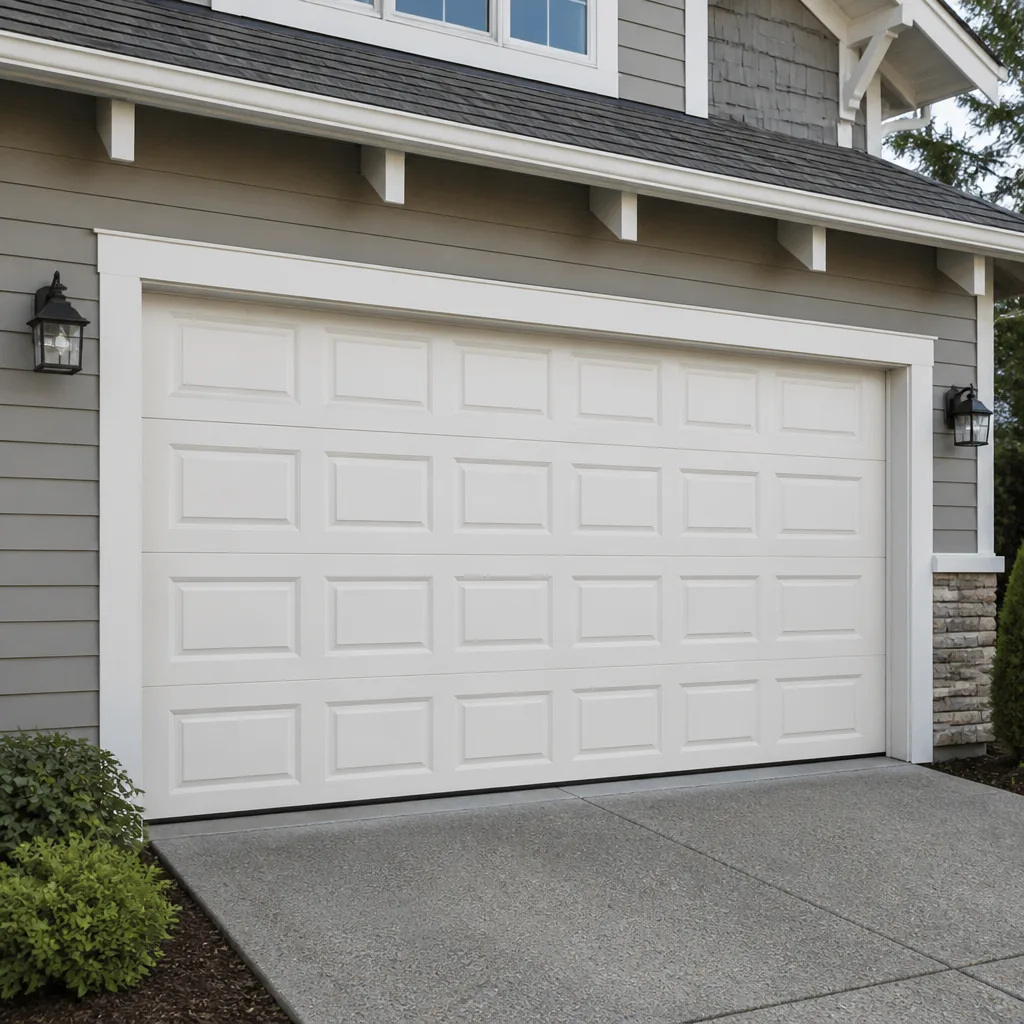 Raised-panel steel
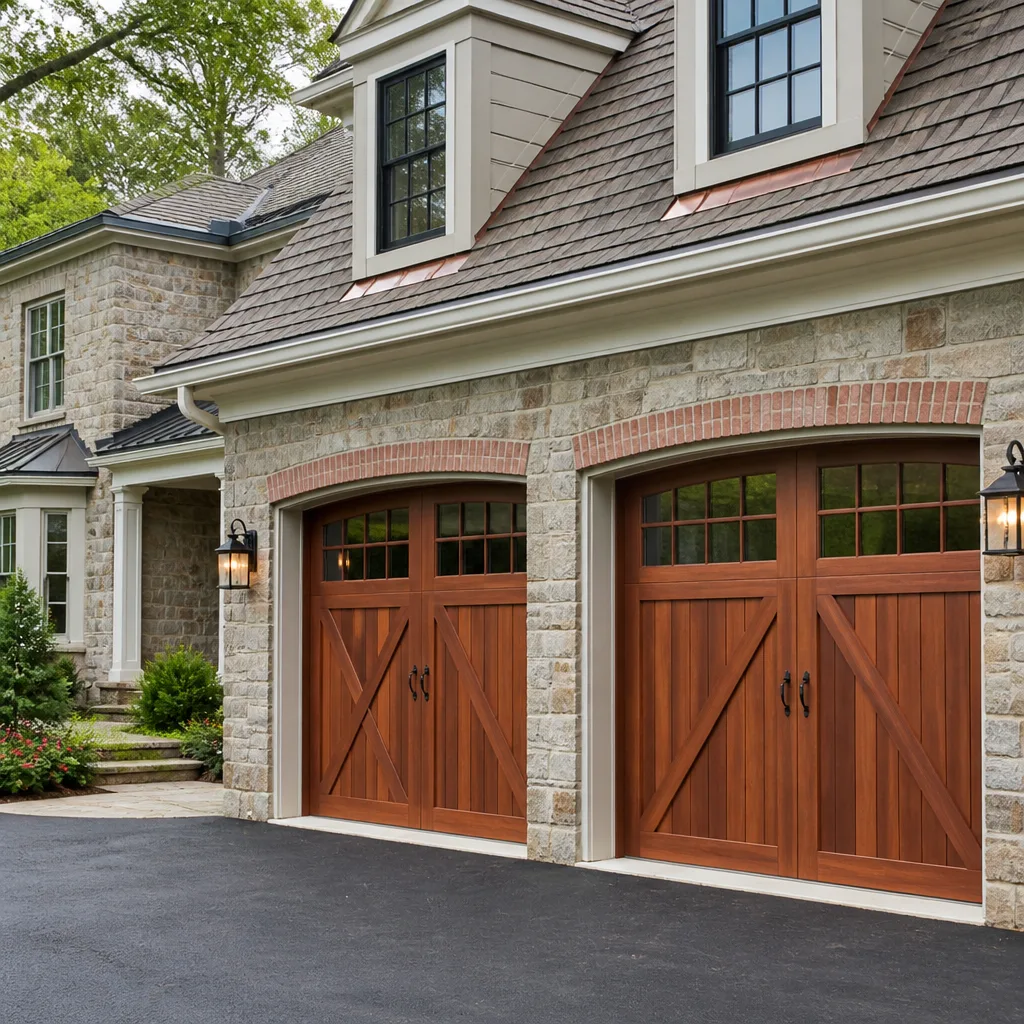 Carriage house
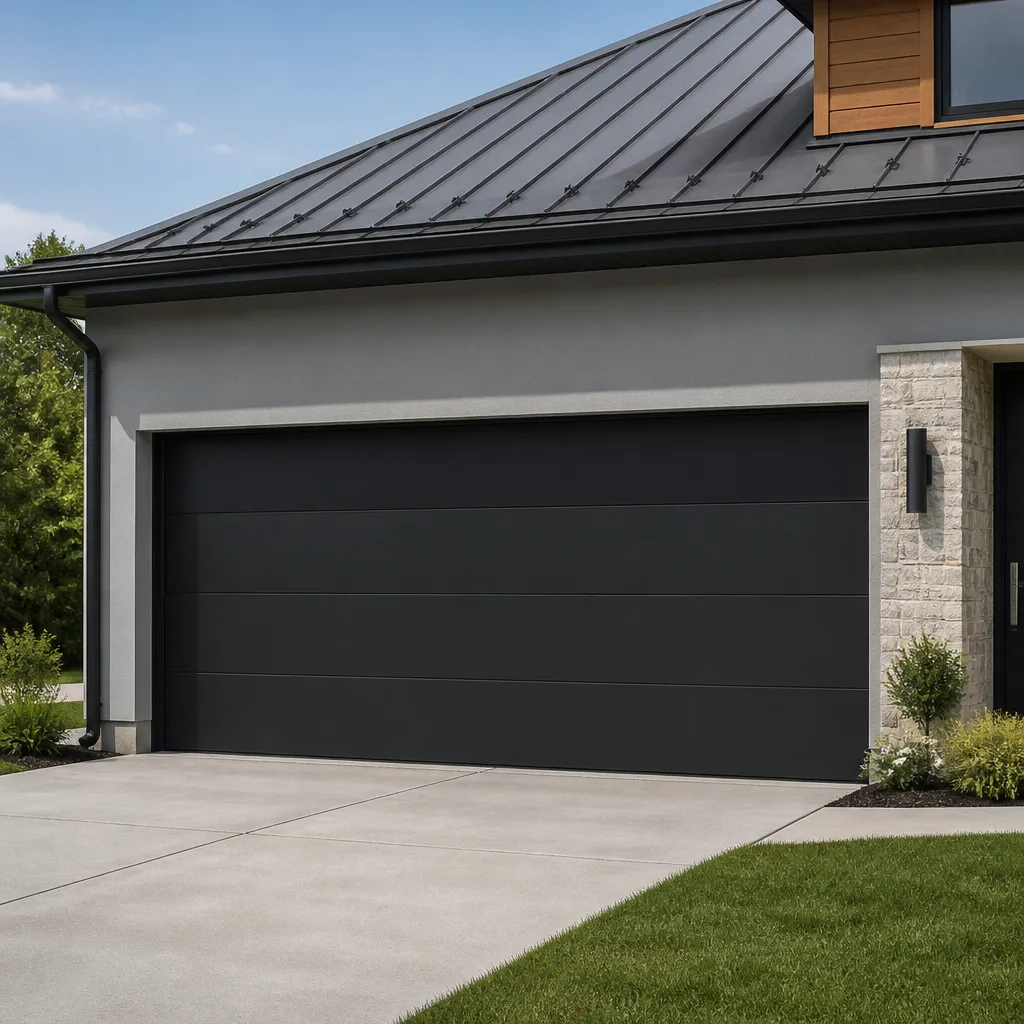 Modern flush
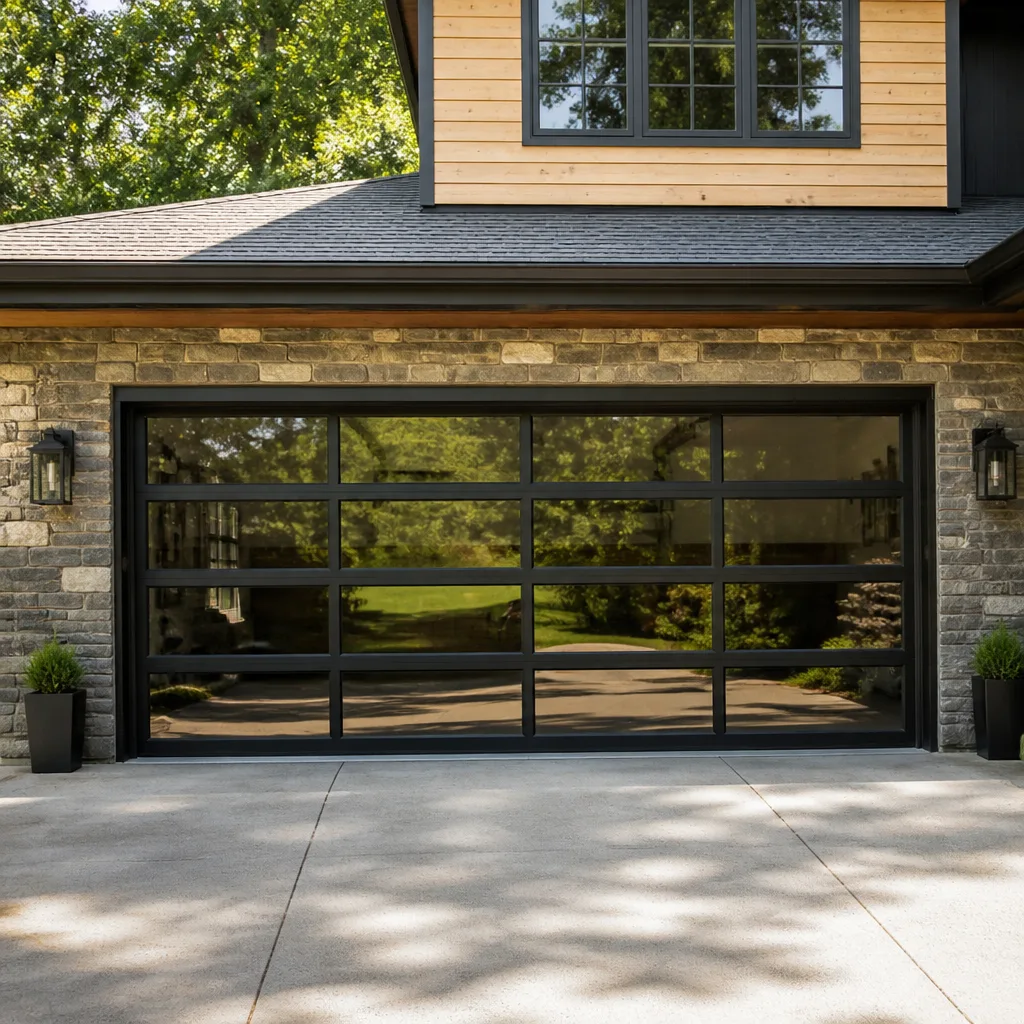 Full-view glass
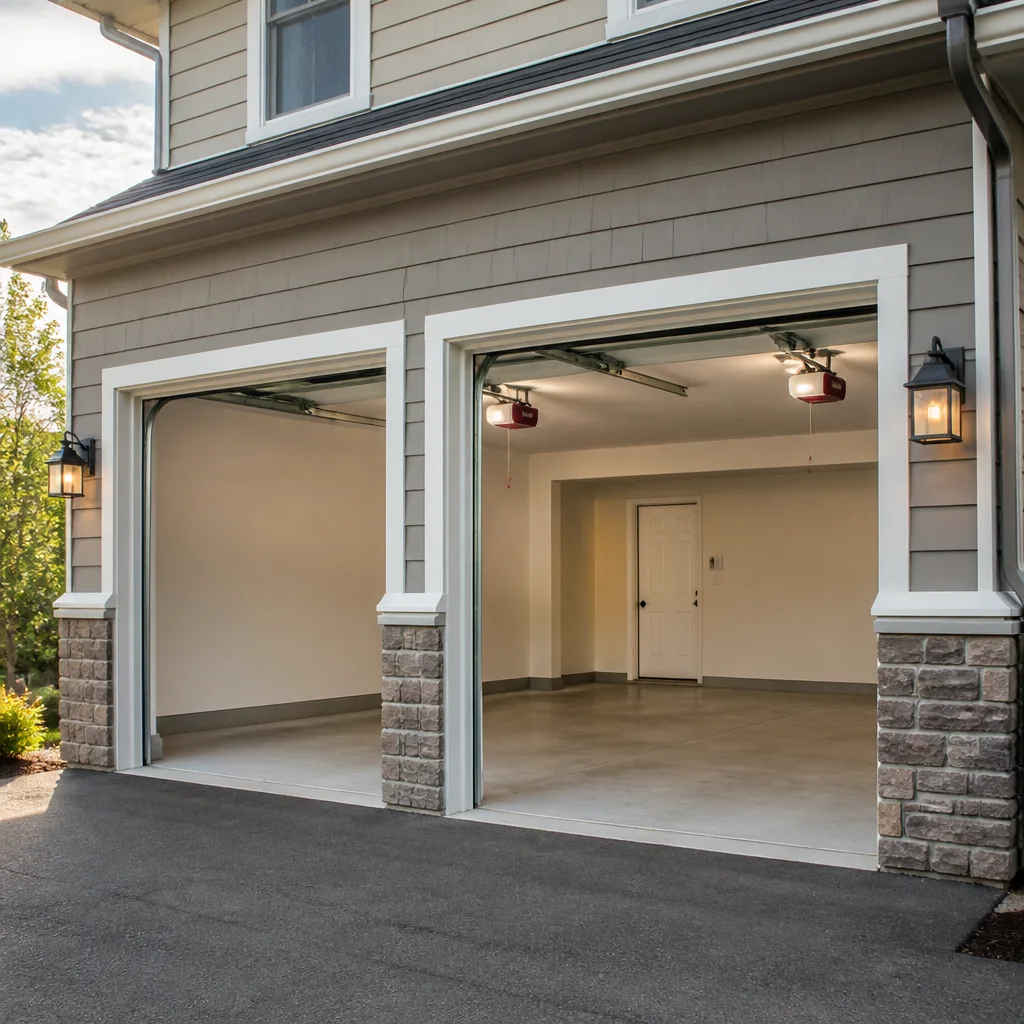 LiftMaster openers
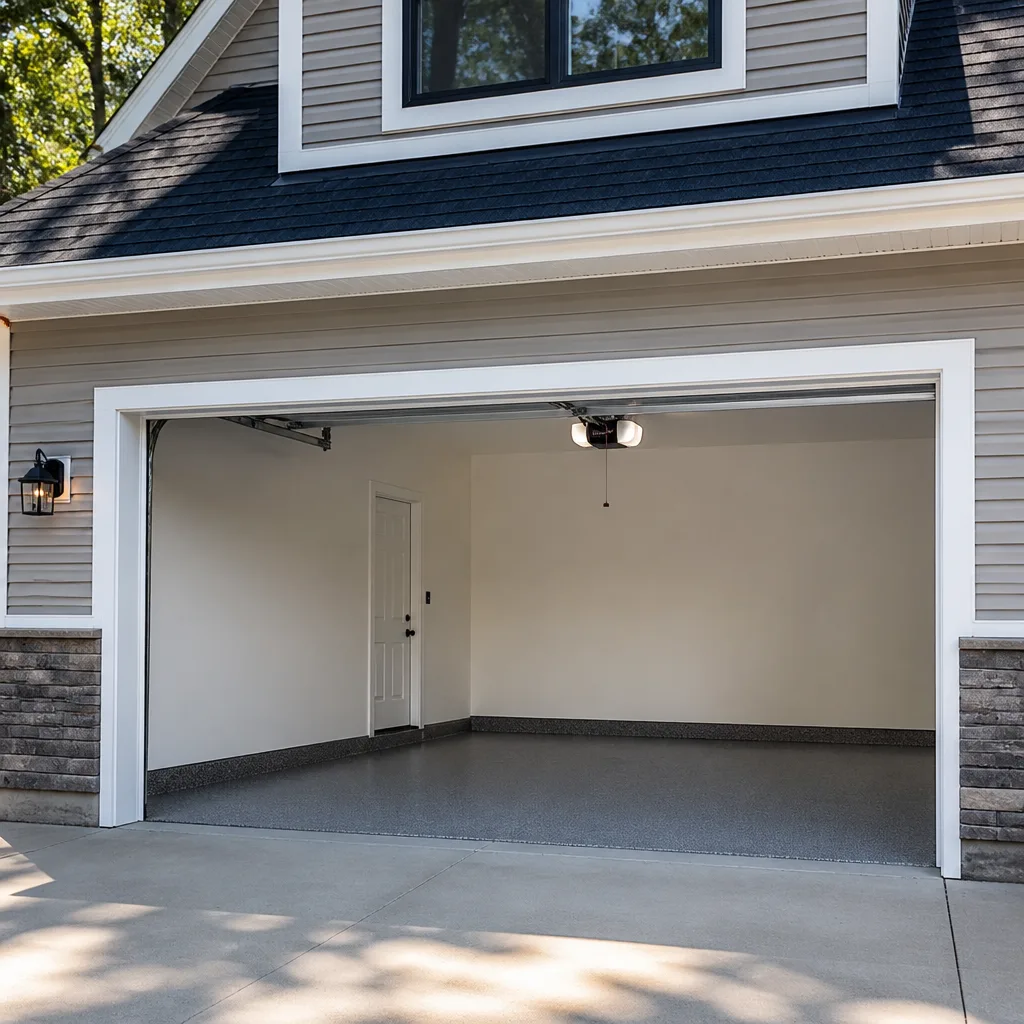 Chamberlain openers
Full 25-point door and opener safety check with every visit - springs, cables, rollers, tracks, and your LiftMaster or Chamberlain opener included
You get a price before we start. It does not change when the pro arrives.
Get your free estimateGarage Door Emergency Preparedness Guide for Boulder Homes
Most Boulder homeowners think about the garage door only when it stops working. But the more useful question is what happens before something goes wrong – when the power cuts out, when a wildfire evacuation order comes through, when two feet of snow lands on a door that was already struggling. The garage is the largest moving system attached to your house, and it’s also often your fastest way out. This guide walks through the scenarios that actually happen in Boulder: brand-specific manual release steps, post-fire smoke and ash inspection, snow load decisions, power outage prep, and a 90-second pre-evacuation checklist. It’s practical, it’s specific, and it’s built for the way homes here actually operate.
Quick Answer
Garage door emergency preparedness in Boulder comes down to three things: knowing how to release your specific opener brand manually, checking your door and opener after smoke or ash exposure before running them again, and having a practiced evacuation routine that gets the car out fast. Battery backup openers help during outages, but the manual release works on any opener and costs nothing to learn. If you don’t know your door’s condition going into an emergency, that’s the gap to close first.
Styles & brands we work with
- Raised-panel steel
- Carriage house
- Modern flush
- Full-view glass
- LiftMaster openers
- Chamberlain openers
Table of Contents
- Why Boulder’s Emergencies Hit the Garage Door First
- How to Release Your Garage Door Manually – by Brand
- Post-Wildfire Smoke and Ash Inspection Protocol
- Snow Load: When to Open the Door and When Not To
- Power Outage Prep and Battery Backup Decisions
- The 90-Second Pre-Evacuation Checklist
- When to Call a Professional
Why Boulder’s Emergencies Hit the Garage Door First
Boulder sits in a place where three kinds of emergency overlap: wildfire, heavy snow, and high-wind events that take the power out. Each one stresses the garage door differently, and each one exposes a weakness you might not know about until you need the door to work. A spring that’s been noisy for months is a spring that may fail when you’re trying to leave in a hurry. A door that’s been binding in cold weather is a door that may refuse to open on the morning of an evacuation warning.
The garage is also the most-used entry point in most homes. You drive in and out daily, so wear accumulates quietly. When we inspect doors in Boulder neighborhoods like Table Mesa, Gunbarrel, and North Boulder, the most common finding is a system that’s been running on borrowed time – a worn spring, a stretched cable, an opener motor that’s been working harder than it should. None of those are urgent on a quiet Tuesday. All of them are urgent when the power is out and you’re trying to lift the door by hand.
Preparedness here isn’t about doomsday thinking. It’s about knowing the three or four things that actually matter when the situation is real:
- Can you release the door manually, and do you know where the release is on your specific opener?
- Is your door in condition to be opened by hand at all?
- Does your opener have battery backup, or are you relying on grid power?
- After smoke exposure, is it safe to run the door before it’s been checked?
That’s the whole list. The rest of this guide fills in the specifics, with brand-level detail for the door and opener systems most Boulder homes actually have.
How to Release Your Garage Door Manually – by Brand
Every residential garage door opener sold in the last several decades has a manual release. The mechanism is usually a red cord or handle hanging from the trolley, and pulling it disconnects the door from the opener so it can move freely by hand. The release itself is similar across brands. The location, the feel of the pull, and the way you re-engage it vary, and that’s where brand knowledge matters.
General release sequence
- Make sure no one is standing under the door and the door is fully closed.
- Find the release cord – typically red, hanging from the trolley rail near the top of the door.
- Pull straight down firmly. You should feel the trolley release from the door arm.
- Lift the door by hand. A properly balanced door should lift with moderate effort and stay up on its own.
- To re-engage, lower the door fully, then pull the release cord once more and run the opener a short cycle to reconnect.
If the door won’t lift with reasonable effort, or if it drops once you release it, stop. That’s a sign of a spring or balance problem, and those are not something to force.
LiftMaster and Chamberlain
LiftMaster and Chamberlain openers (they share a great deal of internal engineering) use a trolley release on the rail. The red cord hangs from a carriage that slides along the rail. Pull it straight down. On newer models with MyQ connectivity, releasing the door manually is fine – the opener simply registers the door as disconnected until you re-engage it. If you’ve been using the app to open the door and the app shows “offline” during an outage, that doesn’t mean the door is stuck; it means the router is down. The manual release still works.
Genie
Genie openers use a similar trolley release, but the cord attachment and the way the carriage re-engages differs slightly from LiftMaster. Pull the red cord down and toward the door. When re-engaging, run the opener and let it pull the carriage back into position. If the carriage doesn’t catch on the first attempt, cycle the opener once more. Genie models with battery backup (some newer units include this) will still operate the door during a power outage even without the manual release, but you should still know how to release it.
Craftsman
Craftsman openers, common in older Boulder homes, generally use the standard trolley release. The one thing to watch on older Craftsman units is a stiff release cord – if the door hasn’t been manually operated in years, the trolley can bind. Pull firmly but evenly. Never yank. If it won’t release with a moderate pull, the trolley may need servicing.
Wayne Dalton and Raynor
Wayne Dalton and Raynor door systems are often paired with openers that have their own release configurations. Wayne Dalton doors with the TorqueMaster spring system behave differently when released by hand – the door may feel heavier or lighter than you expect depending on the spring setup. Raynor doors typically pair with standard trolley-release openers. If you’re not sure what you have, look for the brand on the opener housing and the door label before an emergency, not during one.
The best time to practice this is now, on a calm afternoon, with the door closed and nothing else going on. Pull the release, lift the door partway, lower it, re-engage, and run the opener to confirm it’s back on track. Two minutes of practice means the movement is familiar when it matters. Our technicians have up to 9 years of experience with garage door opener repair across these brands, and we can walk you through the release on your specific model if you’re unsure.
One safety note before you practice: never stand under a door that’s being manually released if you suspect a spring problem. High-tension springs and cables can fail violently, and a door that drops unexpectedly is genuinely dangerous. If the door feels wrong – too heavy, jerky, or like it’s fighting you – leave it alone and call a professional.
Post-Wildfire Smoke and Ash Inspection Protocol
After a nearby fire, the garage door and opener need a check before you resume normal use. Smoke and ash don’t usually destroy a door, but they do settle into the places that matter: the tracks, the rollers, the opener housing, and the weather seal. Ash is abrasive. Run a door with ash in the tracks and you accelerate wear on rollers and bearings. Run an opener with ash in the motor housing and you invite overheating and premature failure.
What to check, in order
- Tracks. Wipe the track channels with a dry cloth. Ash in the tracks is the most common post-fire issue we see. Don’t lubricate until the ash is out – you’ll just make a paste.
- Rollers and hinges. Check for grit. If rollers feel rough when you turn them by hand, they need cleaning or replacement.
- Weather seal. The bottom seal and the perimeter seal can hold ash and smoke residue. Wipe them down. If the seal is cracked or brittle, it should be replaced – it also affects how well the door seals against smoke intrusion in the first place.
- Opener housing and vents. Ash can enter through the opener’s cooling vents. Wipe the exterior and check for visible buildup. If the opener smells like burnt electronics or runs hotter than usual, stop using it and get it checked.
- Balance test. With the door disconnected from the opener, lift it halfway. It should stay in place. If it drops, the springs have been affected or were already marginal.
- Safety reversal test. Place a small object in the door’s path and close the door. It should reverse on contact. If it doesn’t, the safety sensors or the opener’s force settings need attention before normal use.
If your home was close enough to the fire that ash accumulated visibly, treat the inspection as mandatory rather than optional. A door that’s been exposed to significant smoke and heat can have warped panels, and a warped panel changes the door’s balance and puts extra load on the opener. Our garage door repair team can assess door and opener together, which matters because a problem in one often masquerades as a problem in the other.
Never force a door that’s been exposed to direct flame or intense radiant heat. If the door panels show blistering, discoloration, or deformation, the door may need replacement rather than repair, and operating it could cause a panel to fail or the door to come off track.
Snow Load: When to Open the Door and When Not To
Heavy snow accumulation is a real scenario in Boulder, and the garage door is one of the structures that gets loaded along with the roof. The question homeowners ask most is whether to open the door before clearing snow from above it. The answer depends on how much snow is up there and what the door is doing.
Open the door first when:
- The snow above the door is light to moderate (roughly under a foot of settled snow) and you need access.
- The door is operating normally and you want to clear snow from the apron and threshold.
- You need to move the car out and the door is functioning without strain.
Don’t open the door when:
- The snow load above the door is heavy enough that you’re concerned about the roof or header above the garage.
- The door is visibly bowed, sagging, or struggling to lift.
- The door has been making new noises or moving unevenly since the snow started.
A door that’s already struggling under accumulation is telling you something. The opener is working harder to lift a door that’s heavier than it should be, or the door’s panels are flexing under load. Forcing it open can bend panels, strip the opener’s gears, or snap a cable. If the door groans, stalls partway, or reverses on its own, stop and treat it as a door that shouldn’t be operated until the load is cleared or a professional has looked at it.
For snow removal, clear the apron in front of the door first so the door has somewhere to go. Then clear above the door if you can do it safely from the ground – never climb onto a snow-covered roof. If the roof above the garage is holding significant snow and you’re not sure about the door’s condition, get an assessment before you cycle it.
See the difference
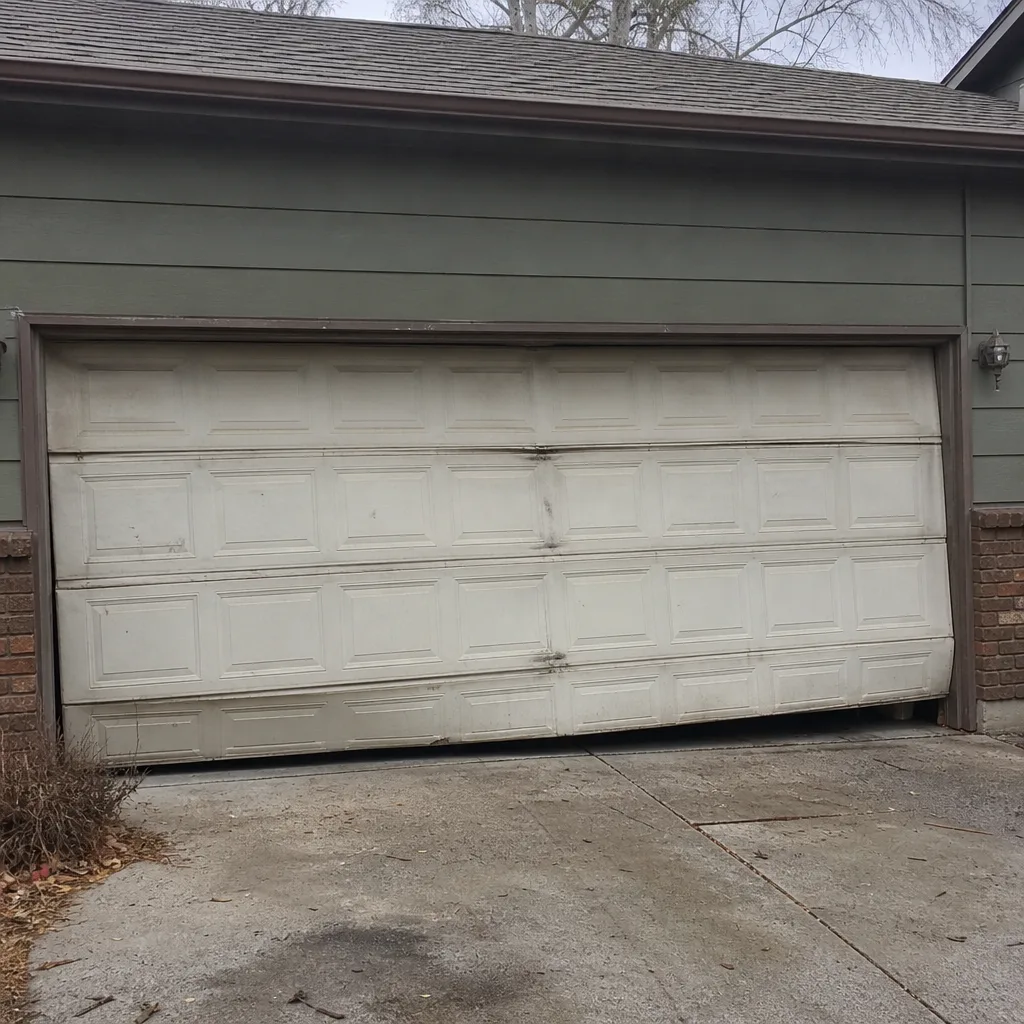 Before
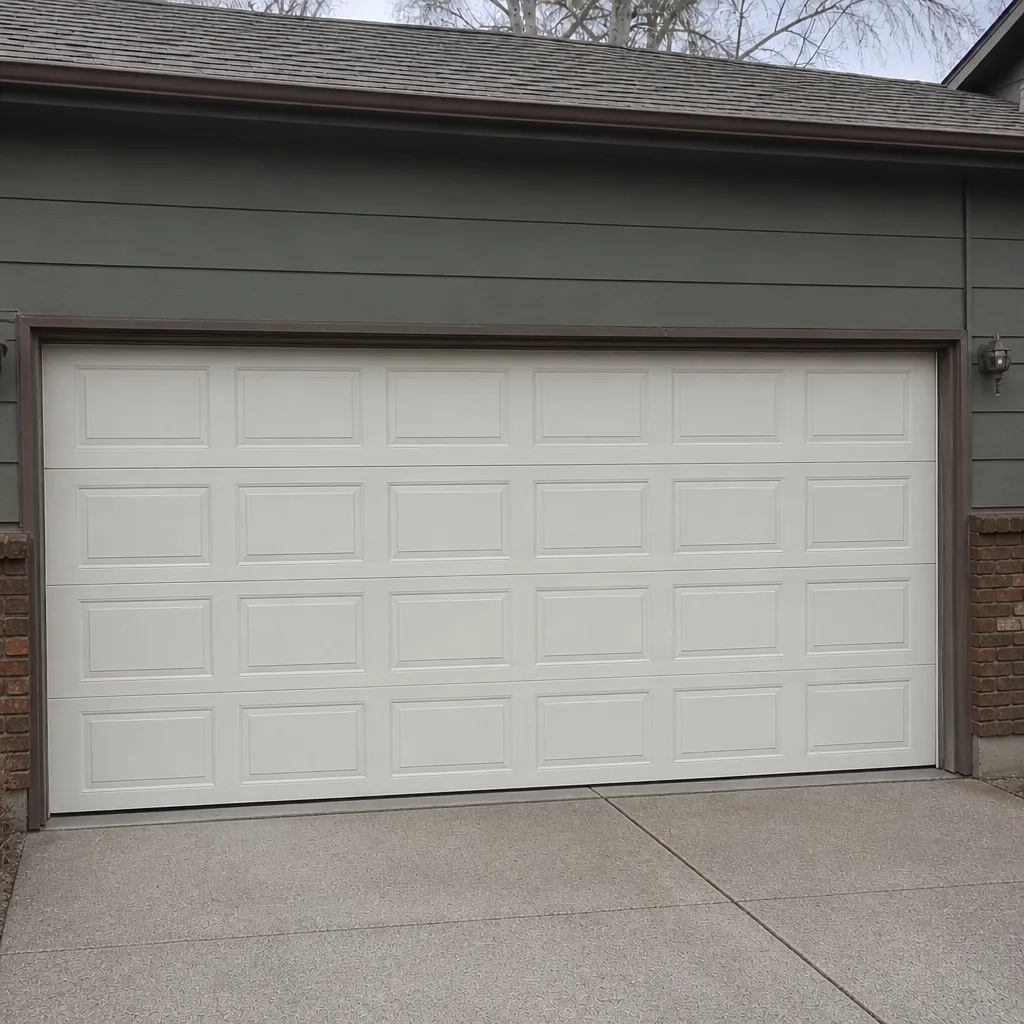 After
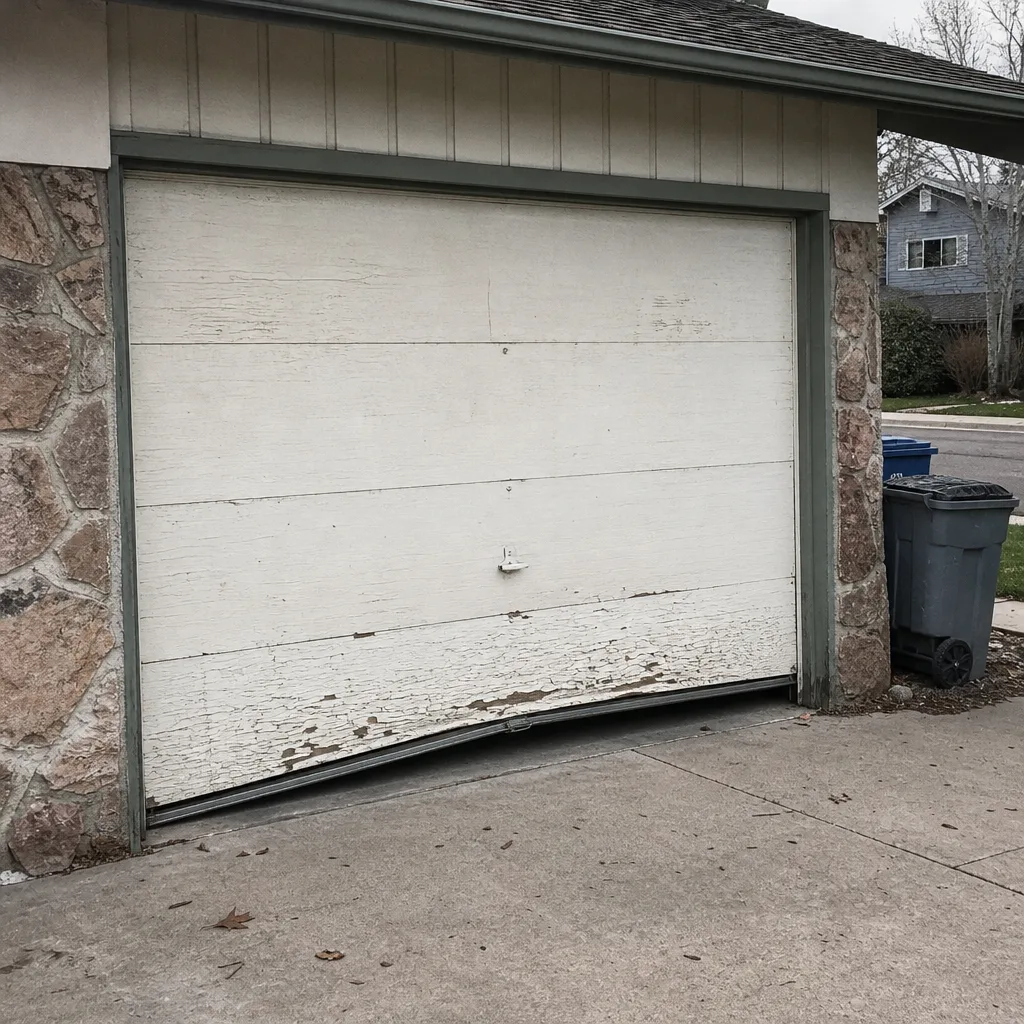 Before
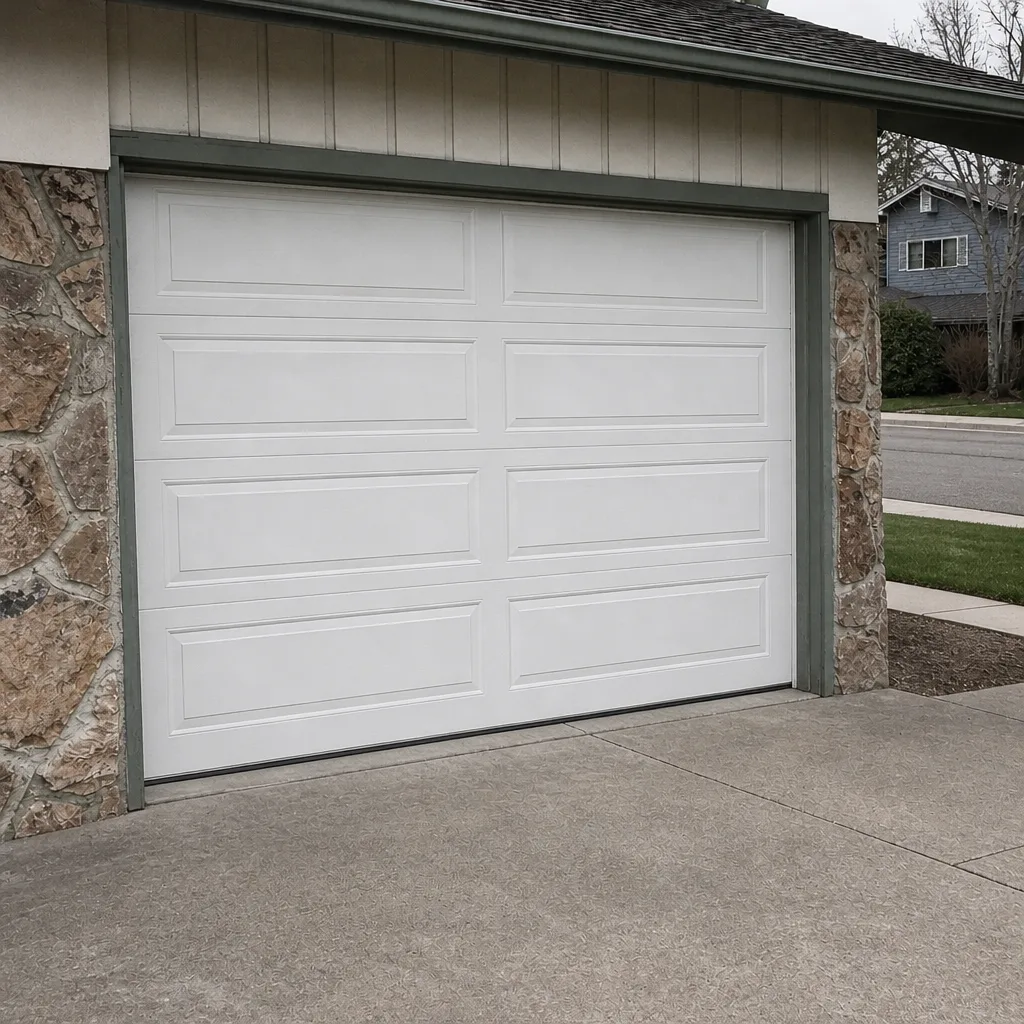 After
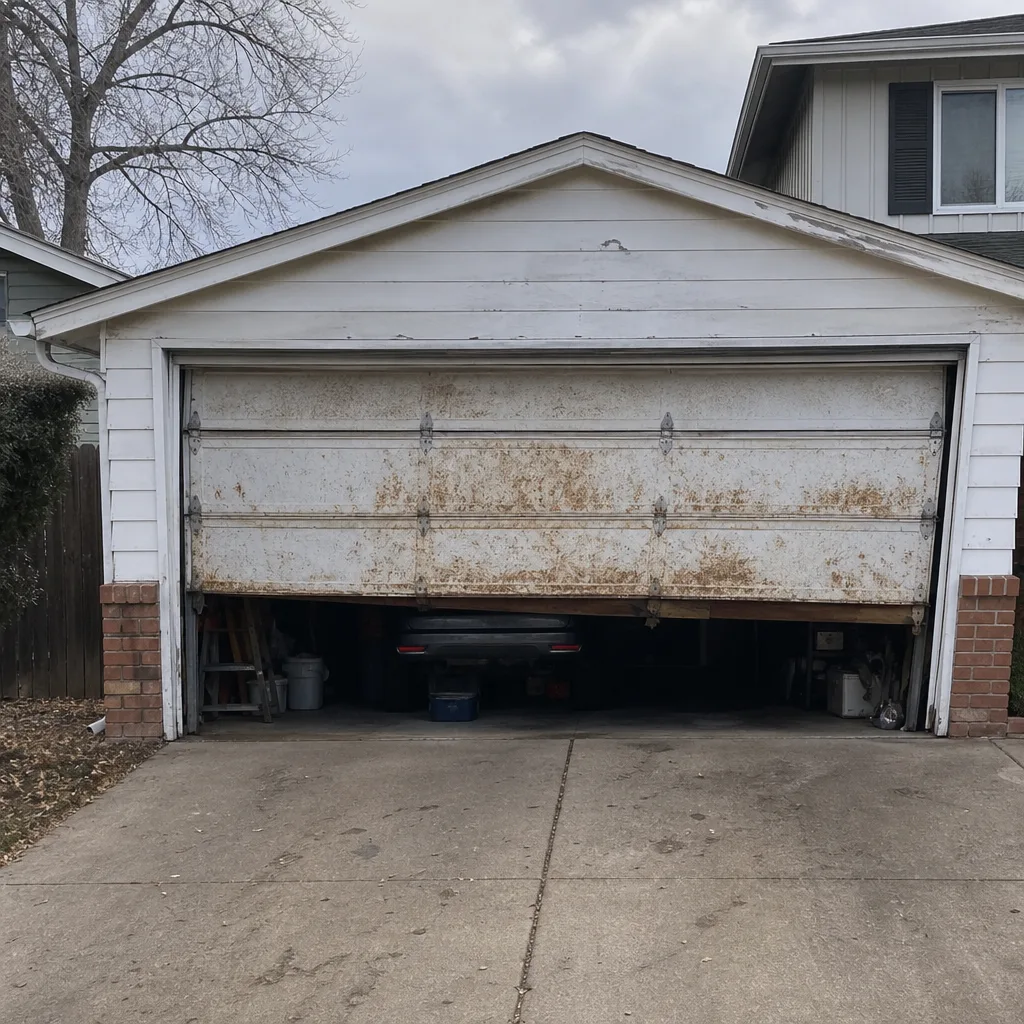 Before
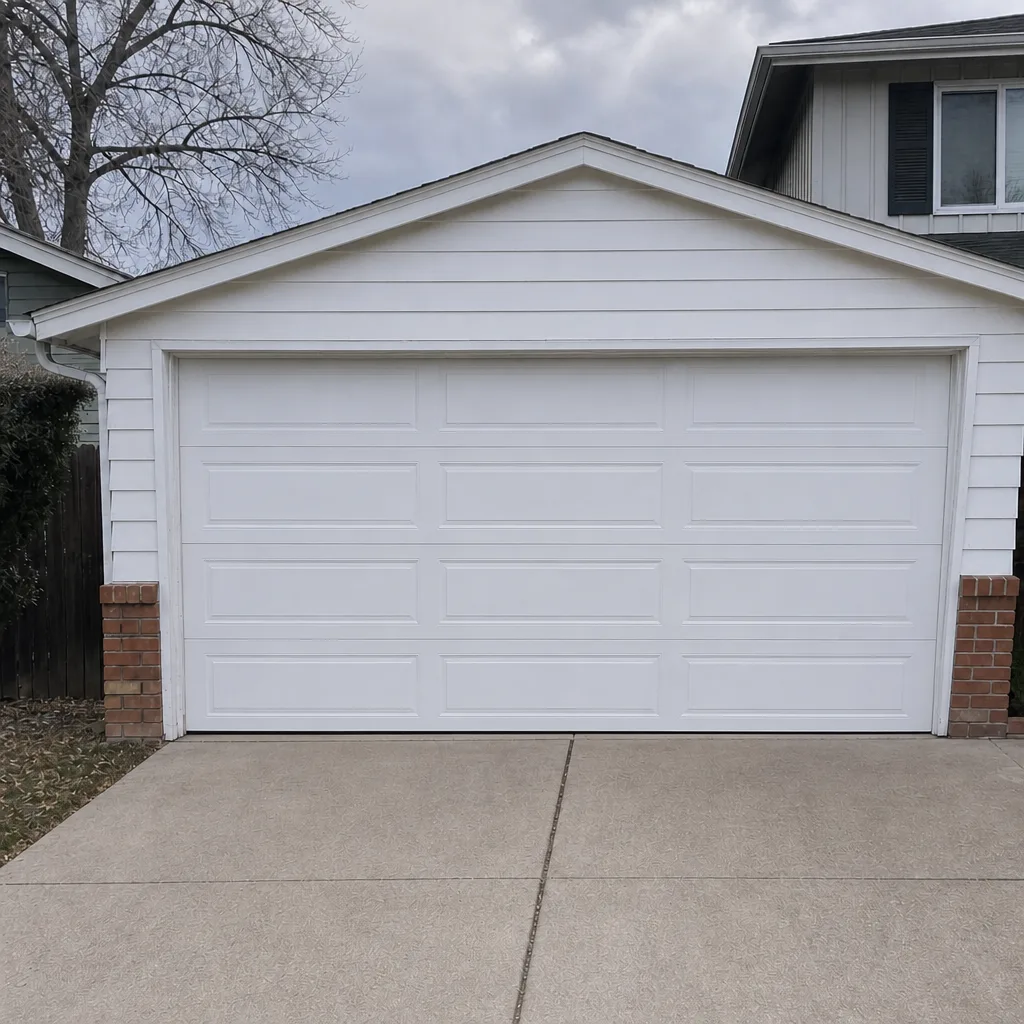 After
Power Outage Prep and Battery Backup Decisions
Power outages from wind events are common enough in Boulder that a garage door you can’t operate without grid power is a real vulnerability. The good news is there are two ways to close that gap: a battery backup opener, or the manual release you already learned. Most homes rely on the manual release. A growing number are adding battery backup, and it’s worth understanding what it actually does.
What battery backup openers do
A battery backup opener (available from LiftMaster, Chamberlain, and Genie in their current lines) keeps the opener operational during an outage. The opener runs on its internal battery for a limited number of cycles – typically enough to get the door open and closed several times, which covers the evacuation scenario. The battery charges from household power when the grid is up. When the grid goes down, the opener switches to the battery automatically, and the door opens at normal speed or slightly slower depending on the model.
How to decide
- If you have a newer opener with battery backup: test it. Unplug the opener from the wall and run the door on battery. If it doesn’t run, the battery needs replacement. Do this before an emergency, not during one.
- If you have an opener without battery backup: the manual release is your only option, so practice it. If you want backup power, a battery backup opener is a straightforward replacement and worth considering if your current opener is aging.
- If you’re not sure what you have: the model number on the opener housing tells you. LiftMaster, Chamberlain, and Genie all publish battery backup info by model.
One thing battery backup doesn’t do: it doesn’t help if the door itself is broken. A dead spring or a jammed track stops the door regardless of how much battery you have. That’s why the condition check matters as much as the power backup. If you want a battery backup opener installed or your current one checked, we handle garage door opener repair and replacement across the major brands.
The 90-Second Pre-Evacuation Checklist
When an evacuation warning comes, you have minutes, sometimes less. The garage door tasks that protect the home and get the car out fast should be practiced and quick. Here’s the sequence, built to run in under 90 seconds.
- Release the door if the power is out. Pull the red cord on the trolley, lift the door by hand, and leave it open only as long as you need to get the car out.
- Move the car out first, then close the door manually. Closing the door behind you protects the home from embers and smoke entry.
- Disconnect the opener if you’re leaving the door open for any reason. A door left open with the opener engaged can be operated by anyone with a remote – disengaging it removes that.
- Take a photo of the door’s closed position. If you’re evacuating for days, you’ll want to confirm the door is fully closed when you return or when a neighbor checks.
- Grab the opener remote. Small thing, easy to forget, and you’ll want it when you come back.
Practice this once. Not because a drill is fun, but because the movement becomes automatic under stress. Homeowners who’ve never pulled the manual release often spend the first minutes of an evacuation looking for it. That’s the gap this checklist closes.
Common Mistakes to Avoid
- Never practicing the manual release. A release cord you’ve never pulled is a release cord you’ll fumble with when it matters. Two minutes of practice on a calm afternoon solves this.
- Forcing a struggling door in cold weather. Boulder winters make springs and metal components stiff. A door that’s binding in the cold is telling you something – forcing it can snap a cable or bend a panel.
- Running the door after smoke exposure without checking the tracks. Ash in the tracks is abrasive and accelerates wear fast. Wipe before you run.
- Assuming battery backup means you’re covered. A battery backup opener with a dead battery is no backup at all. Test it by unplugging the opener and running the door.
- Opening a door under heavy snow load without assessing it first. If the door is bowed or groaning, stop. Clear the load or get it checked before cycling it.
- Ignoring the safety reversal test. A door that doesn’t reverse on contact is a hazard, especially if you’re operating it manually or in a hurry.
- Climbing onto a snow-covered roof to clear above the door. The door can be assessed from the ground. Roof work in snow is a different risk category.
When to Call a Professional
Some garage door issues are safe to handle yourself: wiping ash from tracks, replacing a weather seal, testing the manual release, checking battery backup. Others aren’t. Call a professional if the door won’t lift with reasonable effort by hand, if it drops when released, if a spring is visibly broken or making a loud bang, if the door is off track or bowed, if the opener runs but the door doesn’t move, or if the door has been exposed to direct flame or intense heat. High-tension springs and cables can fail violently, and a door that comes down unexpectedly is a genuine injury risk. Electrical work on openers and any repair that involves the spring system or the door’s balance should be handled by a trained technician.
Boulder Garage Door Service offers free estimates in Boulder – call (855) 683-6002. We answer 24/7, and fast dispatch runs from 7am to 7pm, Sunday through Friday. We handle both the mechanical door and the electronic opener, so one call resolves the full problem rather than bouncing you between contractors.
Frequently Asked Questions
Pull the red release cord hanging from the trolley on the opener rail, then lift the door by hand. The release disconnects the door from the opener so it moves freely. Practice this once before you need it, and if the door feels too heavy or drops when you release it, stop and call a professional – that’s a spring or balance issue, not a release issue.
LiftMaster, Chamberlain, Genie, and Craftsman are the most common opener brands in Boulder homes, with Wayne Dalton and Raynor doors often paired with them. The manual release works the same way across all of them, but the trolley location, the feel of the pull, and the re-engagement step vary slightly by brand. Knowing your model before an emergency saves time.
Most preparedness work is free to do yourself: practicing the manual release, wiping ash from tracks, testing battery backup. If you need a battery backup opener installed or a door assessed after smoke exposure, we quote each job with a written estimate before any work starts. Call (855) 683-6002 for a free estimate – the written quote sets the price.
Only after checking the tracks, rollers, weather seal, and opener housing for ash and grit. Wipe the tracks dry before running the door, and test the safety reversal. If the door smells like burnt electronics, runs hotter than usual, or the panels are warped or discolored, don’t run it – get it checked first.
If the snow is light and the door is operating normally, opening it first to clear the apron makes sense. If the snow load is heavy or the door is bowed, groaning, or struggling, don’t open it. Clear the load or get an assessment before cycling the door. Never climb onto a snow-covered roof.
The manual release is enough to get you out during an outage, and it costs nothing to learn. A battery backup opener adds convenience and speed, especially for evacuations, but it doesn’t help if the door itself is broken. If you have battery backup, test it by unplugging the opener and running the door – if it doesn’t run, the battery needs replacement.
Call (855) 683-6002 for an exact quote on any repair or opener work. Estimates are free. We answer 24/7, with fast dispatch from 7am to 7pm, Sunday through Friday. Closed Saturday.
The Bottom Line
Garage door emergency preparedness in Boulder isn’t complicated, but it does require doing a few things before you need them. Learn the manual release on your specific opener. Wipe ash from the tracks after smoke exposure and check the door’s balance before running it. Understand what your door can and can’t handle under snow load. Test your battery backup if you have one, and decide whether you want one if you don’t. Run the 90-second pre-evacuation checklist once so the movement is automatic. The door is your fastest way out and one of the easiest ways for smoke and embers to get in – treat it like the critical system it is. We know your brand, we handle door and opener together, and we’re ready when you need us.
Call (855) 683-6002 for a free estimate. We answer 24/7. Fast dispatch from 7am to 7pm, Sunday through Friday, closed Saturday. Boulder Garage Door Service specializes in Boulder garage door repair, opener repair, and installation across LiftMaster, Chamberlain, Genie, Clopay, Amarr, Wayne Dalton, Craftsman, and Raynor systems. Our technicians have up to 9 years of experience, and every price is quoted and agreed before any work starts. Same-day service is available on repairs; installations and new doors are measured, ordered, and scheduled with a written price up front.
Written by the team at Boulder Garage Door Service.