
Last updated November 15, 2026
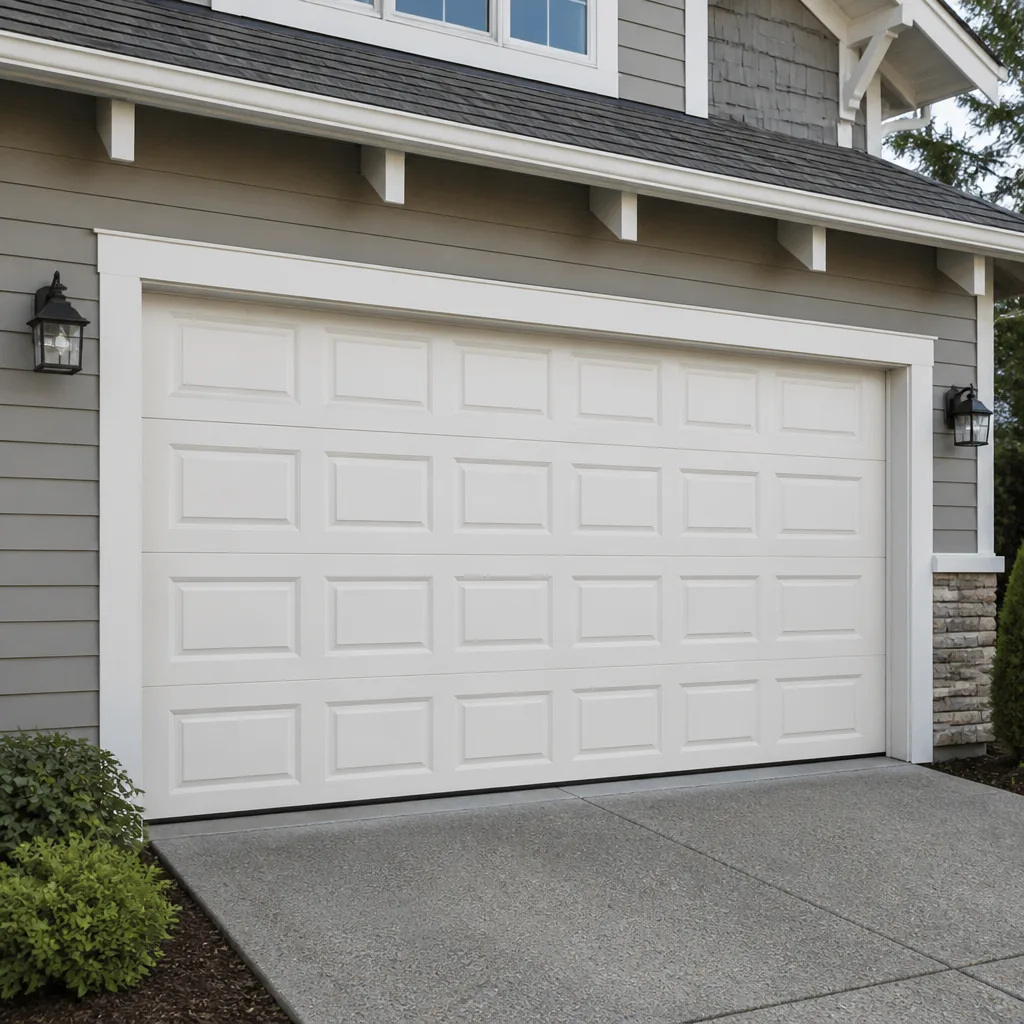 Raised-panel steel
 Carriage house
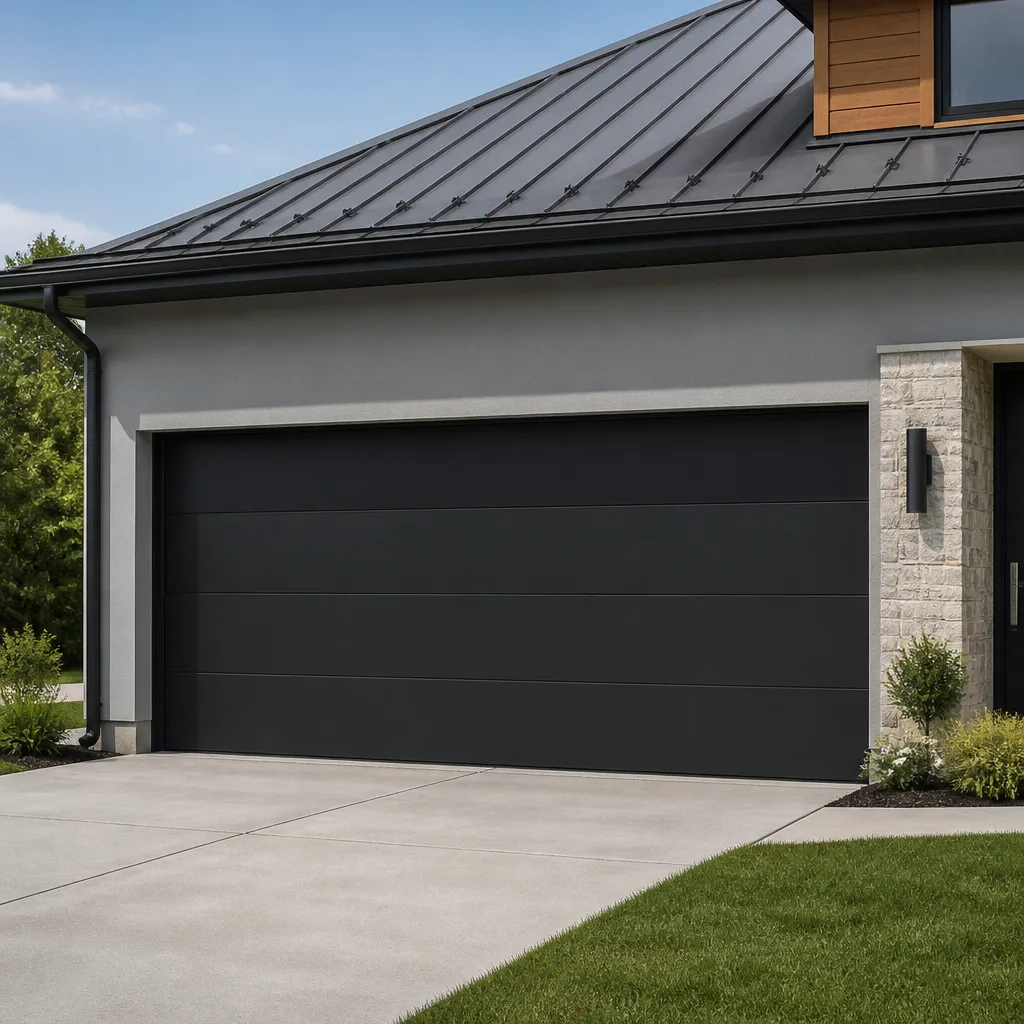 Modern flush
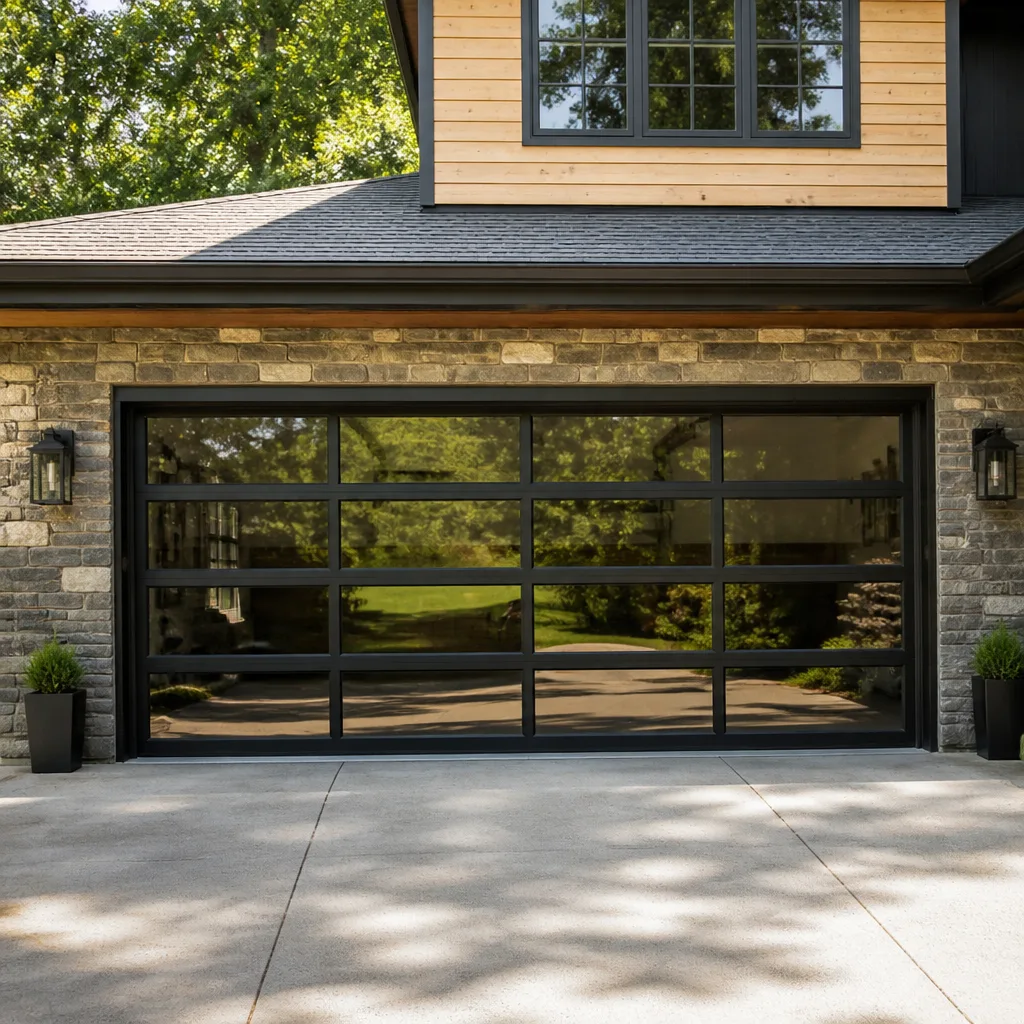 Full-view glass
 LiftMaster openers
 Chamberlain openers
Full 25-point door and opener safety check with every visit - springs, cables, rollers, tracks, and your LiftMaster or Chamberlain opener included
You get a price before we start. It does not change when the pro arrives.
Get your free estimateGarage Door Repair Maintenance Schedule: What to Do and When
Most garage door failure guides point to age. In Boulder, the calendar matters more than the birthday. The heaviest strain on a door here doesn’t arrive in January when the thing finally breaks; it’s set in motion by what did or didn’t happen in October. Boulder’s swing from warm, dry summer afternoons to hard freezes and freeze-thaw cycles puts specific parts under specific pressure at specific times of year, and a maintenance schedule that treats every season the same misses all of it. What follows is a month-by-month calendar built around this climate, a clear line between what you can safely check yourself and what needs a trained hand, and a simple test you can run to spot a failing spring before it strands your car.
Quick Answer
A garage door in Boulder needs lubrication and a visual check every season, a balance and spring-tension test twice a year, and weatherstripping inspected before winter and again after the last freeze. The most important single task is pre-winter prep in October, and the second is a post-freeze inspection in March. Everything else is lighter upkeep that spreads across the year.
Styles & brands we work with
- Raised-panel steel
- Carriage house
- Modern flush
- Full-view glass
- LiftMaster openers
- Chamberlain openers
Table of Contents
- Why Boulder’s Climate Sets Its Own Schedule
- The Month-by-Month Calendar
- What You Can Do Yourself vs. What Needs a Trained Hand
- How to Track Balance and Spring Tension Over Time
- Lubrication: The Right Product for Each Part
- UV, Dryness, and What Wears First at Elevation
- Opener and Safety-Reverse Checks
- Common Mistakes to Avoid
- When to Call a Professional
- Frequently Asked Questions
Why Boulder’s Climate Sets Its Own Schedule
Generic maintenance advice assumes a mild, steady climate. Boulder doesn’t offer one. A door here lives through dry, sunny stretches, sudden temperature drops, and repeated freeze-thaw cycles across a single season. That cycle is what does the quiet damage: metal contracts when it’s cold and expands when it warms, and parts that flex constantly under that movement wear faster than the same parts in a place with a flatter temperature curve.
Two components feel it most. Spring metal fatigues faster when it’s asked to hold tension through big temperature swings, so a torsion or extension spring in Boulder works harder over a year than one in a steadier climate. Weatherstripping takes the other hit. The combination of intense high-altitude sun and dry air breaks down the rubber and vinyl seals around the door’s edges faster here, and once those seals harden and crack, cold air, dust, and moisture find their way in.
Altitude and low humidity matter too. Dry air is hard on the plastic and rubber parts of an opener system and on the seals at the door’s perimeter. It doesn’t rain often here, but when moisture does arrive after a dry spell, aged seals are already past the point where they can bounce back. That’s why this guide front-loads October and March: those are the two moments when a Boulder door is most exposed to what the season is about to do to it.
If you’ve noticed your door sticking, straining, or sounding different, it may be worth a look at our garage door repair service before the next season turns. But for routine upkeep, the calendar below is the place to start.
The Month-by-Month Calendar
This is the schedule we’d hand a Boulder homeowner who wants to stop guessing. Not every task is heavy, and none of them are complicated. The point is timing.
- October – Pre-winter prep (the big one). Lubricate all moving metal parts, inspect and replace worn weatherstripping, tighten hinges and track brackets, and run a full balance and safety test. This is the 15-minute version of the task set that prevents the most common cold-weather failures.
- November – Final pre-freeze check. Confirm the door closes flush, look for daylight gaps at the bottom seal, and listen for new noises on opening and closing. Address anything that surfaced in October before the deep cold sets in.
- December through February – Monitor only. Keep the door tracks clean and clear of grit, and avoid forcing a stiff door. Cold makes parts brittle; if something binds, stop and inspect rather than overriding it.
- March – Post-freeze inspection. This is the second key date. Check springs, cables, rollers, and seals for the wear the winter exposed. Re-lubricate and re-test balance.
- April through June – Spring tune-up. Clean and lubricate the opener’s chain or belt, check the safety-reverse system, and inspect weatherstripping for sun damage as the days lengthen.
- July – UV and heat check. High-altitude summer sun is brutal on seals, plastic opener housings, and painted finishes. Inspect and treat these now, before the seasonal wear compounds.
- August and September – Ease into fall. Clear tracks, check hardware for looseness, and get ahead of October by noting anything that needs attention before the pre-winter push.
That’s the whole year in seven steps. The two that actually carry the weight are October and March, and if you only ever do two maintenance passes, do those.
What You Can Do Yourself vs. What Needs a Trained Hand
Not all maintenance is equal, and the difference isn’t just difficulty. Some tasks are safe and effective for a homeowner with a ladder and a rag. Others look simple and are genuinely dangerous. Keeping the line clear protects you and your door.
Safe homeowner tasks:
- Wiping down and lubricating the tracks, rollers, and hinges with the right product
- Testing the door’s balance by hand with the opener disengaged
- Running the safety-reverse test with a small object under the door
- Visual inspection of weatherstripping for cracks or gaps
- Clearing debris and grit from the tracks
- Noting and photographing anything that looks or sounds off, so a technician knows exactly what to check
Tasks that need a trained professional:
- Anything involving the torsion spring, extension springs, or the cables under tension. These store enormous force, and a spring or cable that releases uncontrolled can cause serious injury. This is the single biggest DIY risk on a garage door, and it isn’t worth testing.
- Adjusting spring tension to correct an unbalanced door
- Replacing cables, springs, or the bottom bracket
- Working on the opener’s electrical connections or circuit board
- Realigning a track that’s been bent or knocked out of square
Here’s the practical version: you can keep the door clean, lubricated, and monitored. The moment a task involves a spring, a cable, or wiring, it belongs in the hands of someone who does it every day. That line is the same one our technicians hold themselves to on every job, and it’s why a free estimate is worth more than an awkward DIY attempt. We can look at the full system, and if you’ve ever wondered whether your opener is behind an issue, our garage door opener repair service covers that side of the diagnosis.
How to Track Balance and Spring Tension Over Time
The most useful diagnostic you have is a hands-on balance test, and running it twice a year tells you more about spring health than anything you can see by looking. It’s also completely safe if you follow two rules: disconnect the opener first, and don’t put your hands near springs or cables while doing it.
Here’s how to run it as a check, not a repair:
- Fully close the door and pull the release cord to disengage the opener. The door should be in manual mode.
- Lift the door slowly to about waist height and let go. A well-balanced door stays put, roughly where you left it.
- Lift it to halfway, let go, and observe. Then lift it to just above shoulder height and let go again.
- A door that drifts down on its own, or drops hard, is telling you the springs are losing their lift and the door is no longer balanced.
What you’re tracking is change over time. A door that passed the test cleanly in October and now sags a foot when you let go has a spring problem developing, and that’s your cue to book a professional inspection before it fails at an inconvenient moment. We’ve seen Boulder doors go from “slightly sluggish” to “won’t open” over a single cold snap, and the balance test is how you catch that window. Note the date and the result each time. A simple note on the phone is enough.
The reason the test matters: spring fatigue is gradual right up until it isn’t. A spring that’s been slowly losing tension for two seasons will finally snap, and a snapped spring means the door won’t move. The balance test lets you see the trend while it’s still a trend. What you should never do is try to compensate for a sagging door by adding turns to the spring yourself. That adjustment requires knowing the correct tension for the door’s weight, and guessing can overload the spring.
Lubrication: The Right Product for Each Part
This is where a lot of well-intentioned maintenance goes wrong. The wrong lubricant can damage a door instead of protecting it, and in a place with broad temperature swings, the right product matters more than how often you apply it.
What to use, and where:
- Rollers, hinges, and pivot points: a garage-door-specific lubricant or a white lithium grease. These handle the temperature range and stay where you put them.
- Tracks: keep them clean; if you lubricate at all, use only a light, purpose-made product. Never grease the tracks heavily, because grit will collect in it and cause the rollers to drag.
- Opener chain or belt (per the manual): a chain-drive opener, common on Genie and Chamberlain systems, needs lubricant on the chain as its manual specifies. A belt-drive unit generally doesn’t need lubricant. Check your manual; guessing here is where people get into trouble.
- Springs: a light coat of lubricant helps, applied by a professional during an inspection, not sprayed blindly by a homeowner near a loaded spring.
What to avoid:
- WD-40 as a general door lubricant. It’s a solvent and light oil, not a lasting lubricant, and it can leave plastic components dry.
- Petroleum-based greases on plastic parts or on the weatherstripping. They can soften and degrade the material.
- Silicone sprays on the wrong parts. Silicone is excellent for rubber seals and weatherstripping but not for metal-on-metal roller surfaces, where you want a proper lubricant.
How often: the moving metal parts want lubrication roughly every three to four months in a climate like Boulder’s, and more often in the dry winter stretch. The weatherstripping wants a silicone treatment twice a year. And each time you lubricate, you’re also inspecting; that’s the real value of the routine.
UV, Dryness, and What Wears First at Elevation
High-altitude sun and dry air are a specific combination, and they wear different parts of a garage door than a mild climate would. Understanding which components suffer most helps you spend your maintenance effort where it actually matters.
Weatherstripping and seals. The bottom seal, the side seals, and the top seal all break down faster here. Sun exposure dries and cracks the rubber, and low humidity pulls moisture from the material over time. Once the bottom seal hardens, it stops sealing, and a visible gap lets winter air and grit under the door. This is why the October and March inspections both include the seals. If a bottom seal crinkles when you touch it or shows cracks, it’s past saving.
Spring metal. Temperature cycling fatigues the springs faster than steady conditions would. A torsion spring or a pair of extension springs in Boulder works hard, and that shortens the interval between inspections that matter. We’re not saying springs fail every winter – we’re saying the stress is real and consistent, which is why the balance test belongs on the calendar twice a year rather than once.
Plastic opener components and finishes. The sun works on the opener’s plastic housing, on sensor lenses, and on the door’s painted or powder-coated surface. A door finish that’s starting to chalk or fade is telling you the sun is winning. A little attention in July keeps it from getting worse.
Doors built for harsher climates hold up better here, which is part of why brand matters. A Clopay or Amarr door with a sealed finish and quality weatherstripping will track this schedule more forgivingly than a cheaper door that leaves the elements more room. If you’re at the replacement decision, our Boulder Garage Door Service team can talk through what fits.
Opener and Safety-Reverse Checks
The opener is the half of the system homeowners interact with most and inspect least. It’s also where a lot of “the door is broken” calls actually begin. A quarterly check keeps it honest.
Monthly safety-reverse test:
- With the door open, place a small object under the door’s path on the floor.
- Press the button to close the door, then watch it reverse and return to open.
- If it doesn’t reverse, stop using the opener and have it serviced. A safety-reverse that fails is a genuine hazard, not a nuisance.
Quarterly opener checks:
- Test the infrared safety sensors by waving an object through the beam near the floor.
- Listen for strain or clicking that wasn’t there before.
- Check the manual release; it should disengage cleanly and re-engage smoothly.
- Look for loose hardware on the opener’s rail and mounting bracket.
One more thing worth knowing: only a trained hand should touch the opener’s electrical connections or circuit board. That’s real current, and the fix for a skipping motor isn’t a homeowner project. If you’ve noticed a Chamberlain or Genie unit misbehaving, a call for garage door opener repair in Boulder is the next step. Our technicians have up to 9 years of experience with these systems, and we know the failure points before opening the unit up.
Common Mistakes to Avoid
- Ignoring the October prep and paying for it later. The single most common cold-weather failure comes from skipping the pre-winter seal and lubrication pass. Do it in October and you’ve prevented most of the January calls.
- Greasing the tracks. Boulder’s dry air and blowing grit combine badly with a greasy track. The grease traps grit, and the rollers bind. Keep tracks clean and use proper lubricants on the right parts only.
- Using WD-40 on everything. It’s fine for a bolt you’re loosening, not for a door’s moving parts. A purpose-made lubricant handles the temperature range and doesn’t dry out plastic the way WD-40 can.
- Adjusting a spring yourself. This is the mistake that turns a repair into an injury. Springs and cables store dangerous force, and a mismatch can overload the spring or, worse, let a cable release. Leave spring tension to a professional, always.
- Skipping the balance test because the door “still opens.” A door can open fine and still be drifting, which means a spring is losing tension. The test catches the trend before failure.
- Forcing a door that’s freezing or dragging. When the door sticks in cold, stop and inspect. Forcing it strains the opener and the door’s hardware. The fix is usually a seal or a lubrication issue, not more force.
- Assuming the opener is fine because the door opens. Openers can strain for months before failing completely. The safety-reverse test takes two minutes and catches the dangerous ones.
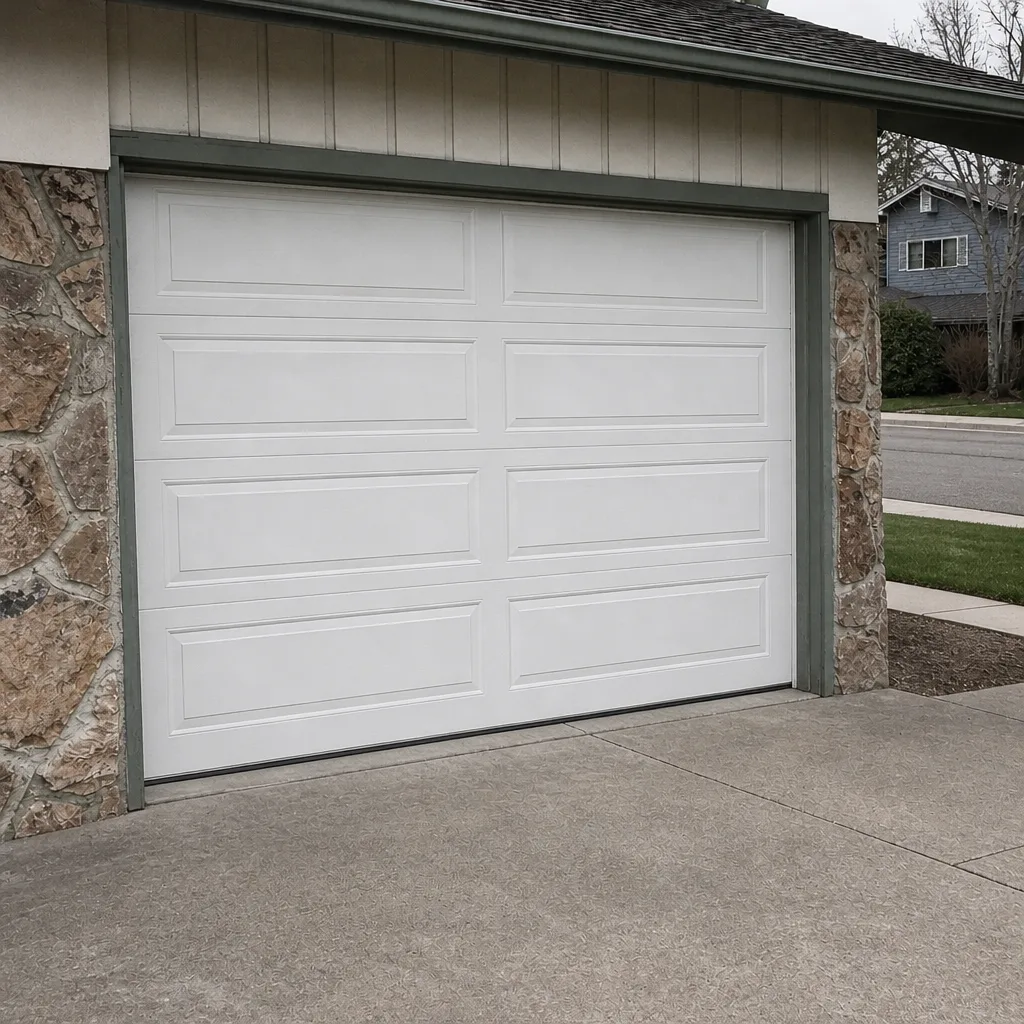
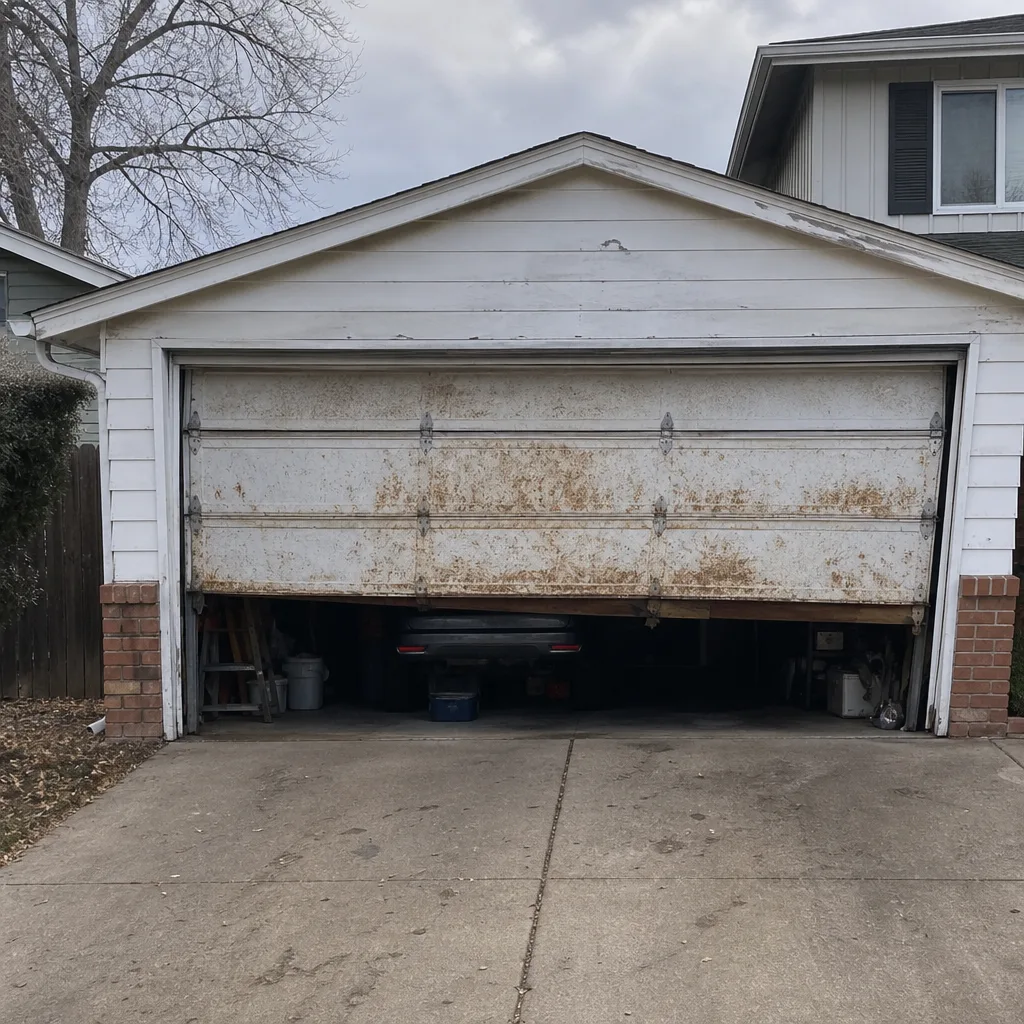
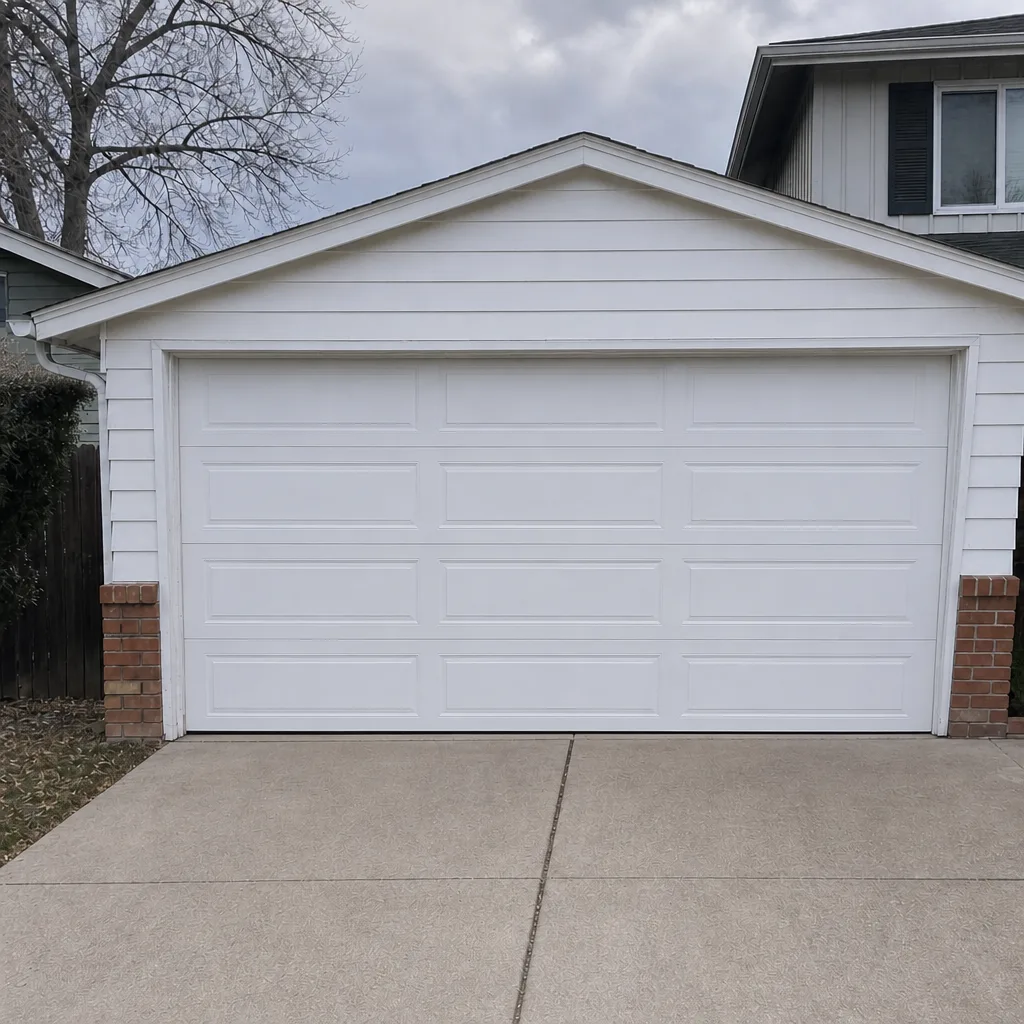
See the difference
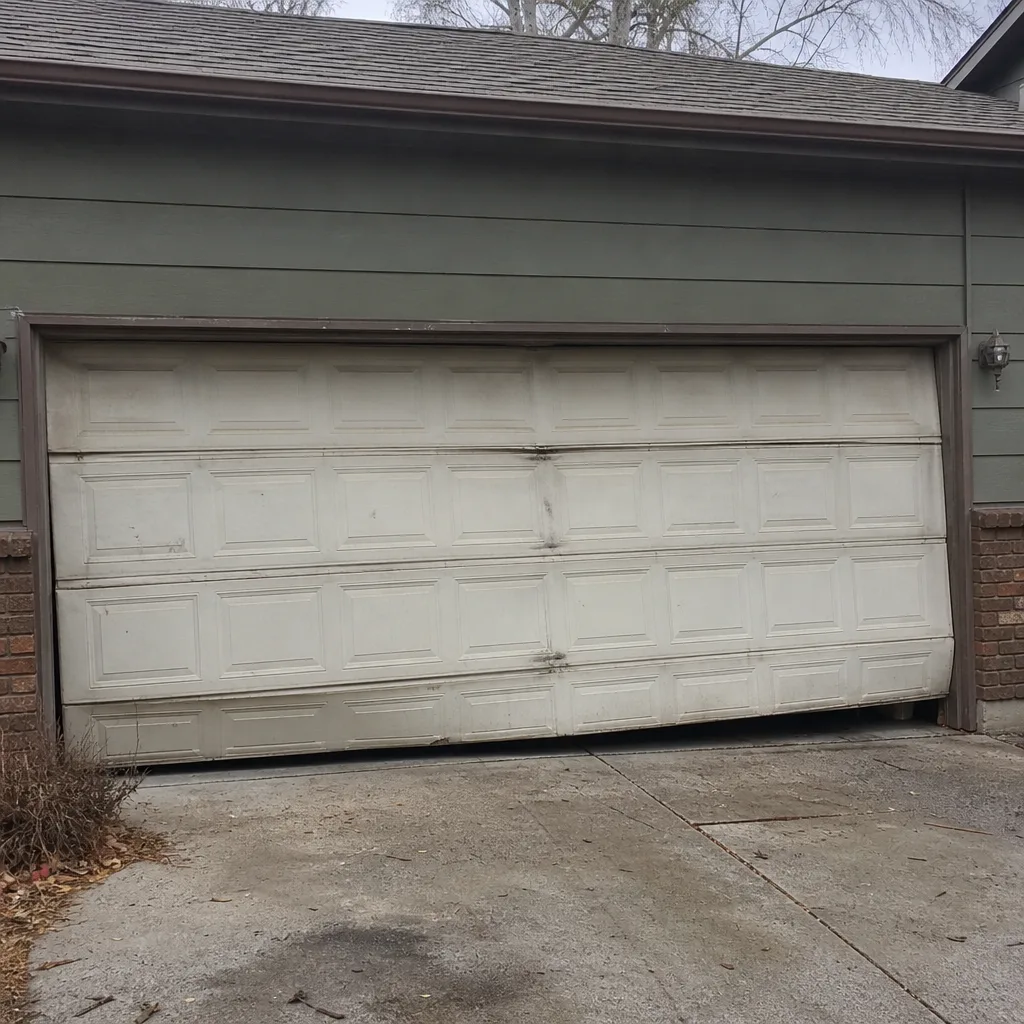 Before
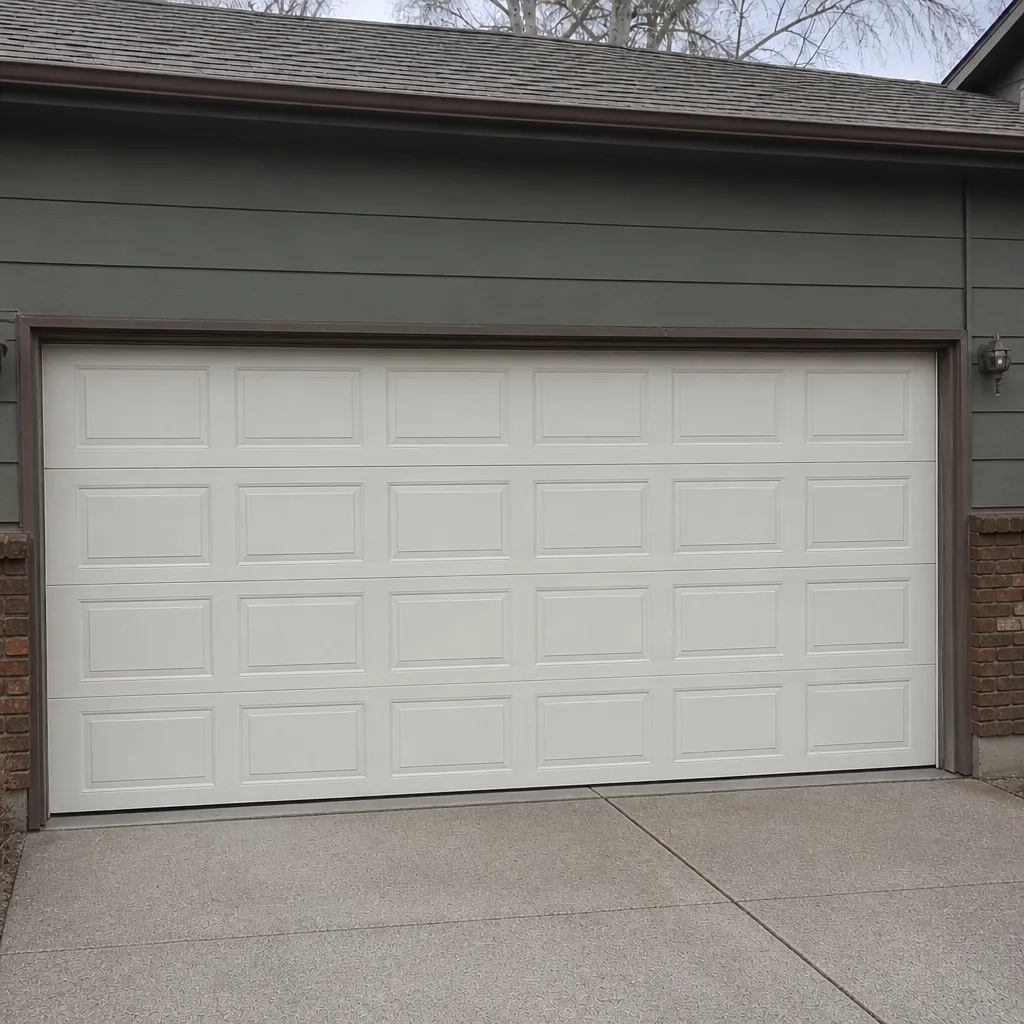 After
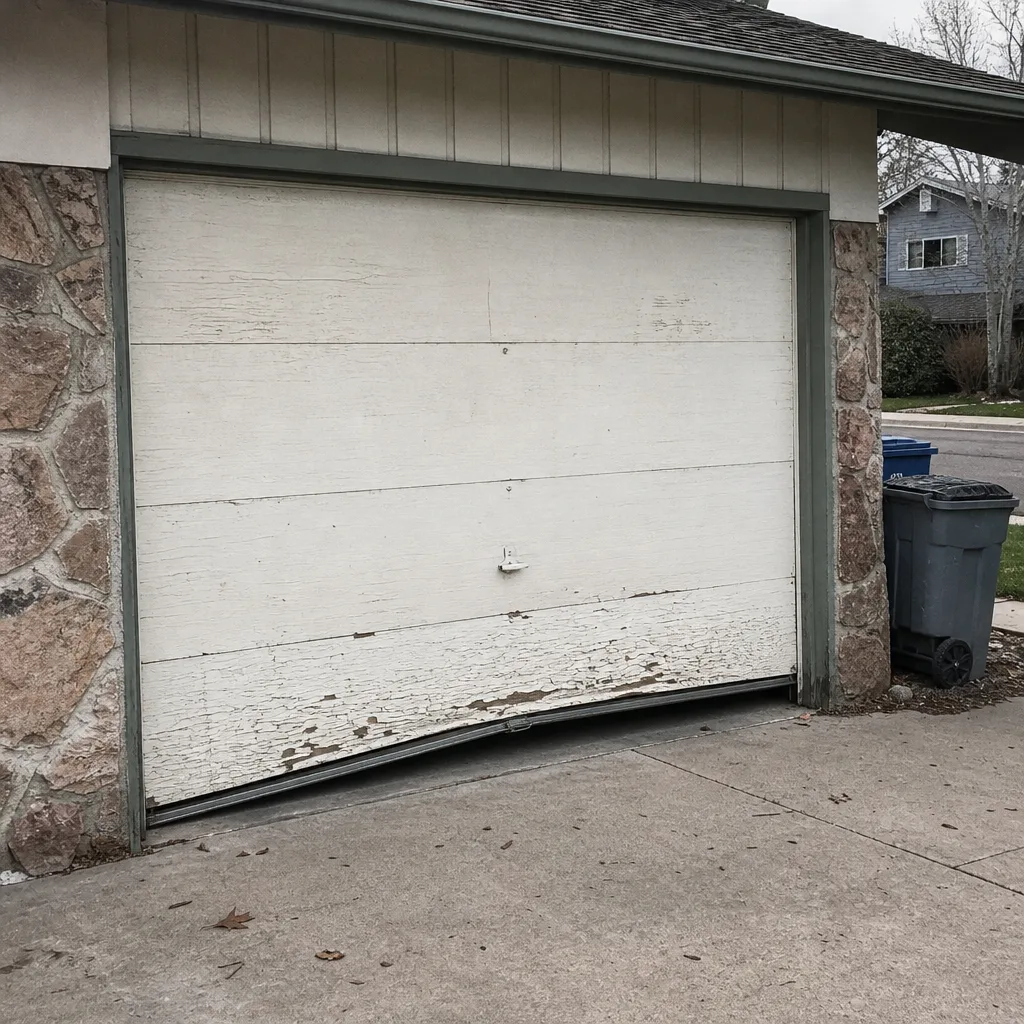 Before
 After
 Before
 After
When to Call a Professional
Some things you check. Others you leave alone. Call for help if a spring shows any sign of loss, such as a door that sags in the balance test or drops suddenly on release. Call if a cable looks frayed, kinked, or slack. Call if the door binds, jumps, or scrapes the track, if the opener reverses on its own, or if the safety-reverse test fails. Call if you hear a bang from the garage and the door won’t move at all – that’s usually a spring, and it’s not a DIY situation. Call if the door has shifted out of square or won’t close flush after a cold snap. And call if you’re simply unsure; a professional inspection is fast, and it’s a free estimate here in Boulder. Boulder Garage Door Service offers free estimates in Boulder – call (855) 683-6002. We answer 24/7. Fast dispatch from 7am to 7pm, Sunday through Friday.
Frequently Asked Questions
Twice a year for a full professional check, once before winter in October and once after the last freeze in March, with homeowner lubrication and visual checks every season in between. Boulder’s temperature swings are what make the twice-a-year schedule worth keeping. Call (855) 683-6002 to book a free estimate and we’ll walk through what your door actually needs.
The October pre-winter prep is the most important single task. It combines lubrication, weatherstripping inspection, hardware tightening, and a full balance and safety test into one job done before the cold sets in. Skipping it is the most common reason a door fails in the middle of winter. Call (855) 683-6002 if you’d rather have us handle the pre-winter pass.
Yes, you can lubricate the rollers, hinges, and moving metal parts yourself, and you can keep the tracks clean. Use a garage-door-specific lubricant or white lithium grease and skip WD-40 on the door’s moving parts. The one thing you should never lubricate or adjust yourself is the spring. If a spring is involved, call (855) 683-6002.
Temperature cycling is the main reason. The repeated swing from warm days to hard freezes flexes spring metal constantly, and that repeated flexing is what causes fatigue. The balance test catches a spring losing tension before it fails, which is why it’s worth running every six months. Call (855) 683-6002 if your door is drifting or dropping.
In most cases, yes. The October and March passes are specifically designed to catch seal, lubrication, and spring issues before they turn into a door that won’t open. Nothing prevents every failure, but a consistent schedule removes the most common causes. Call (855) 683-6002 for a free estimate; we answer 24/7.
Yes, we service equipment from LiftMaster, Chamberlain, Genie, Clopay, Amarr, Wayne Dalton, Craftsman, and Raynor, which covers the vast majority of what Boulder homeowners own. Knowing the specific brand and model means a faster diagnosis and the right parts on the first visit. Call (855) 683-6002 and tell us what you have.
The Bottom Line
A garage door maintenance schedule in Boulder isn’t the same as a generic annual check. The climate here is what sets the timing, which is why October and March matter more than any other month on the calendar. Do a full lubrication and inspection pass every season, run the balance test twice a year, check the weatherstripping before and after winter, and test the safety reverse monthly. Keep the spring and cable work in the hands of a trained professional, and never force a stiff door. Stay ahead of the calendar and most failures never happen. Call Boulder Garage Door Service for a free estimate, (855) 683-6002. We answer 24/7, with fast dispatch from 7am to 7pm, Sunday through Friday.
Written by the team at Boulder Garage Door Service.