
Last updated November 15, 2026
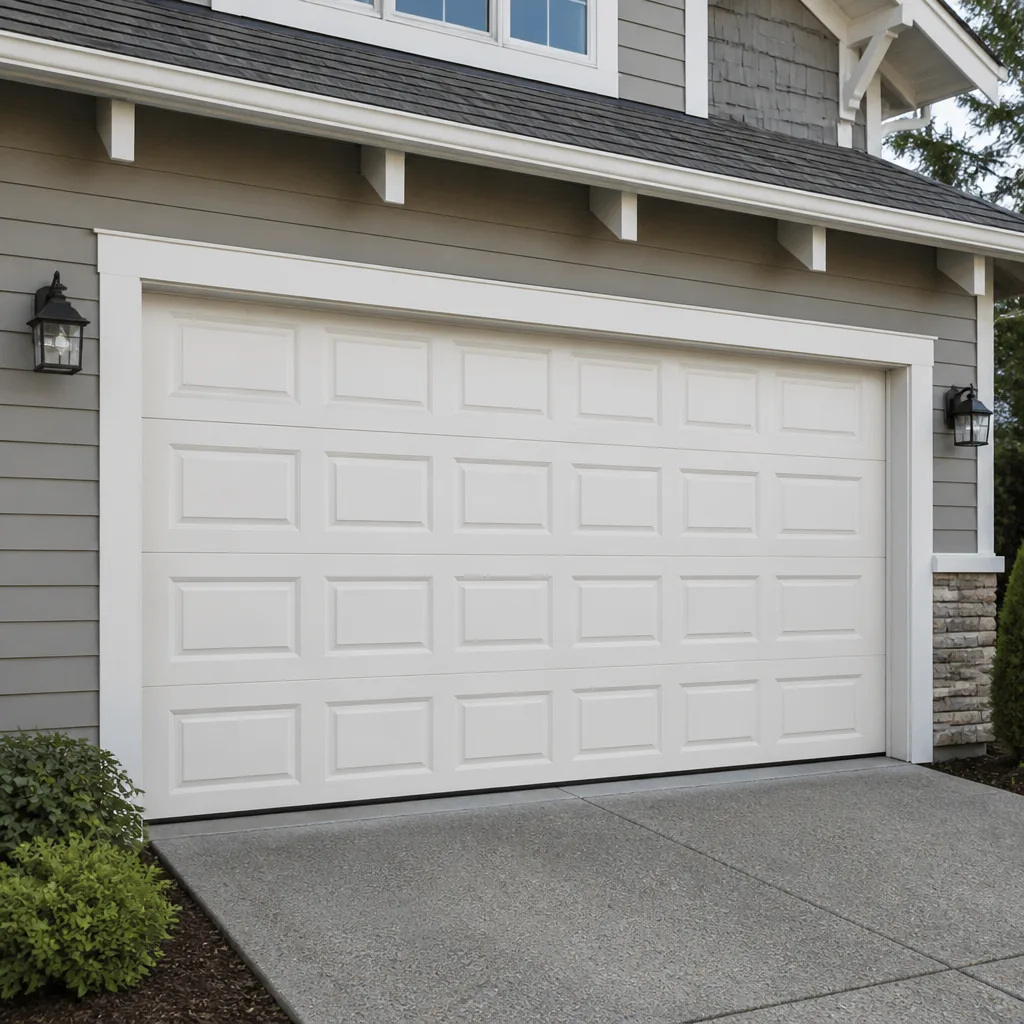 Raised-panel steel
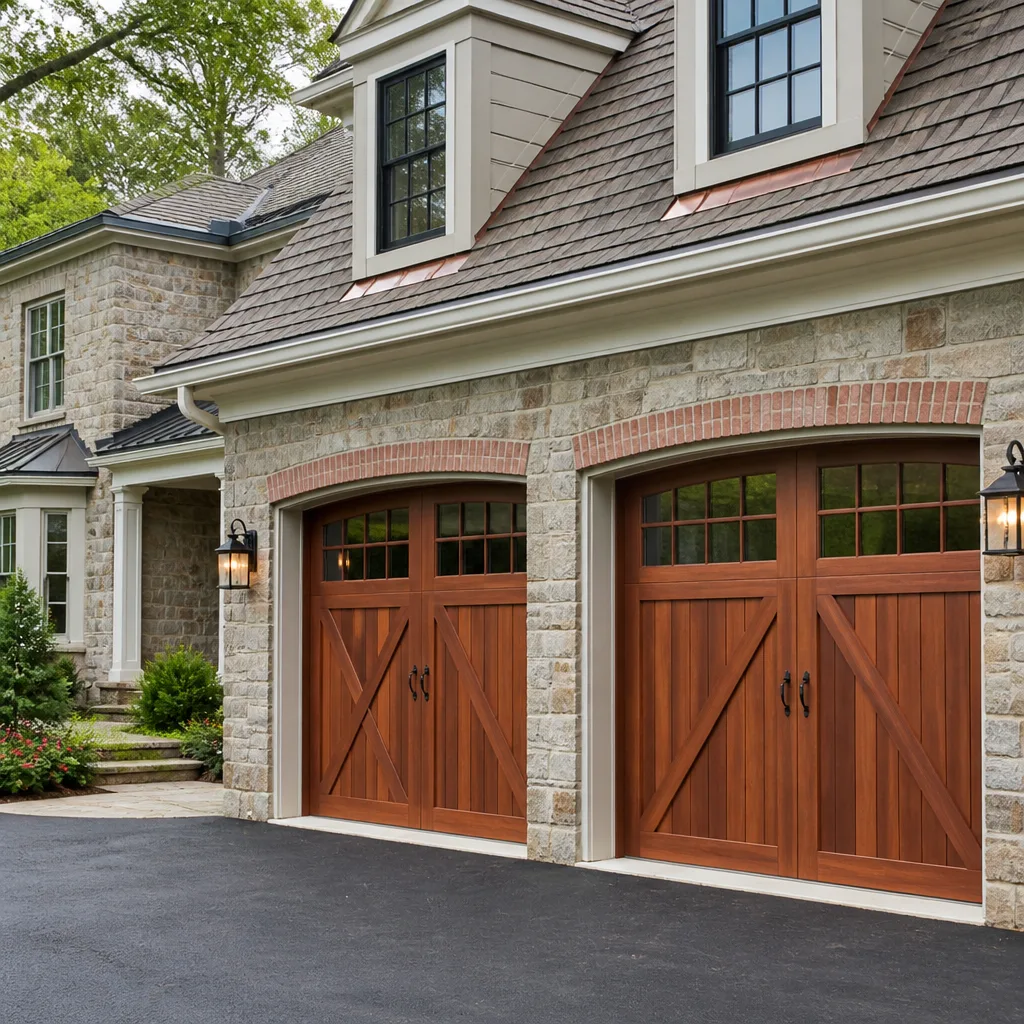 Carriage house
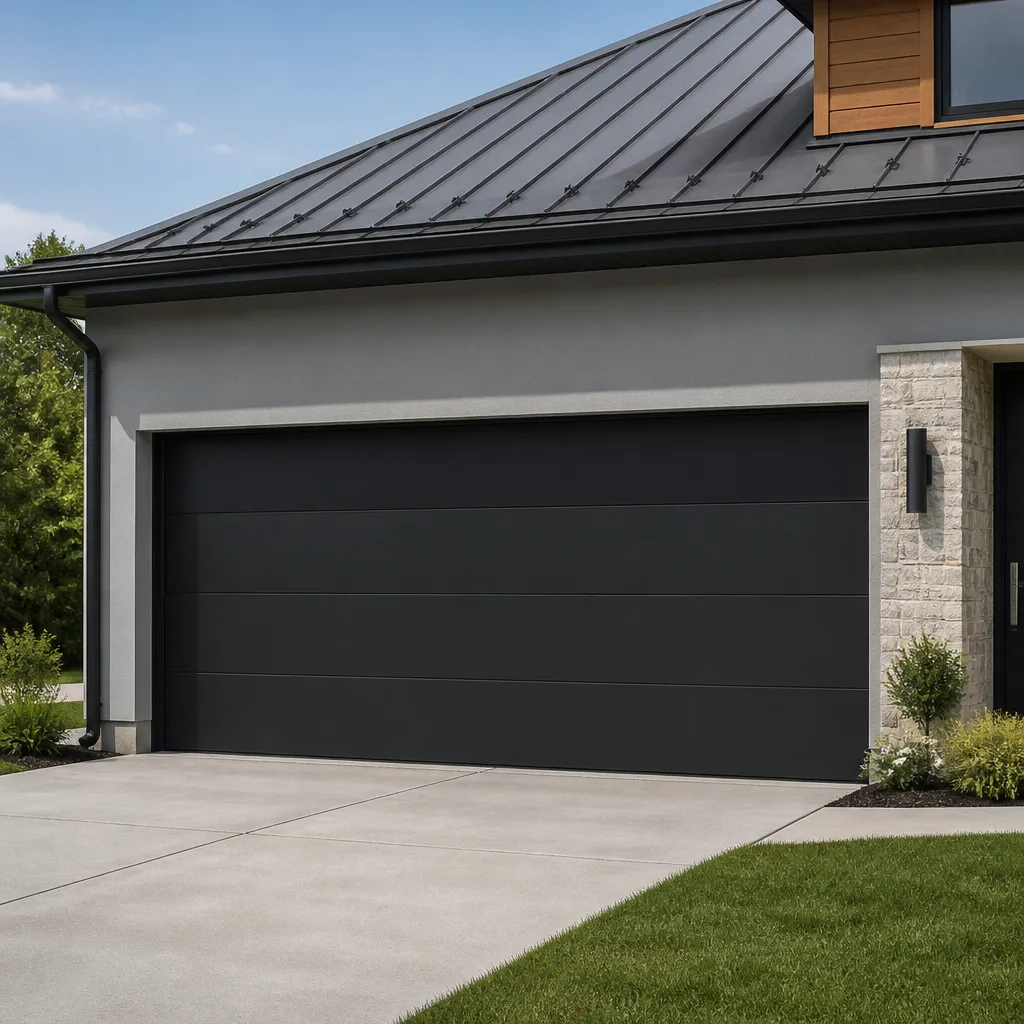 Modern flush
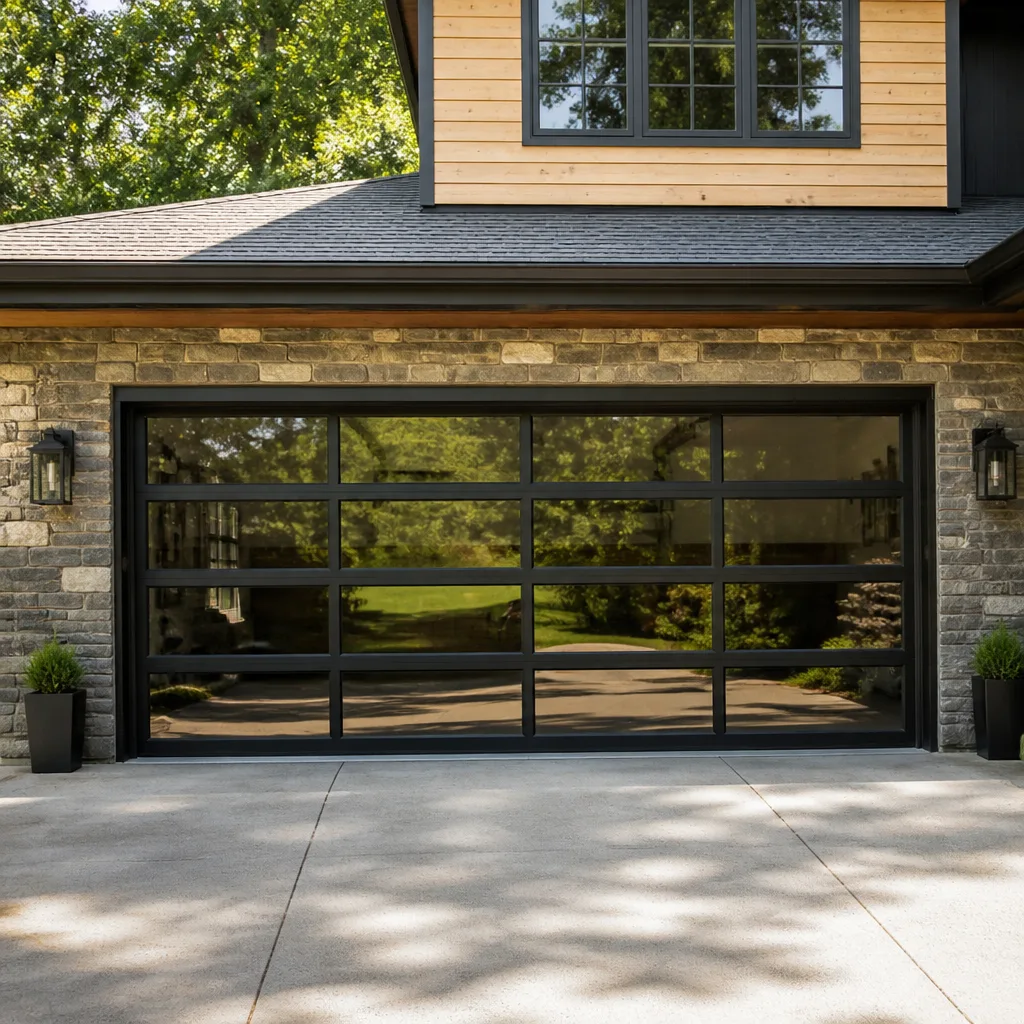 Full-view glass
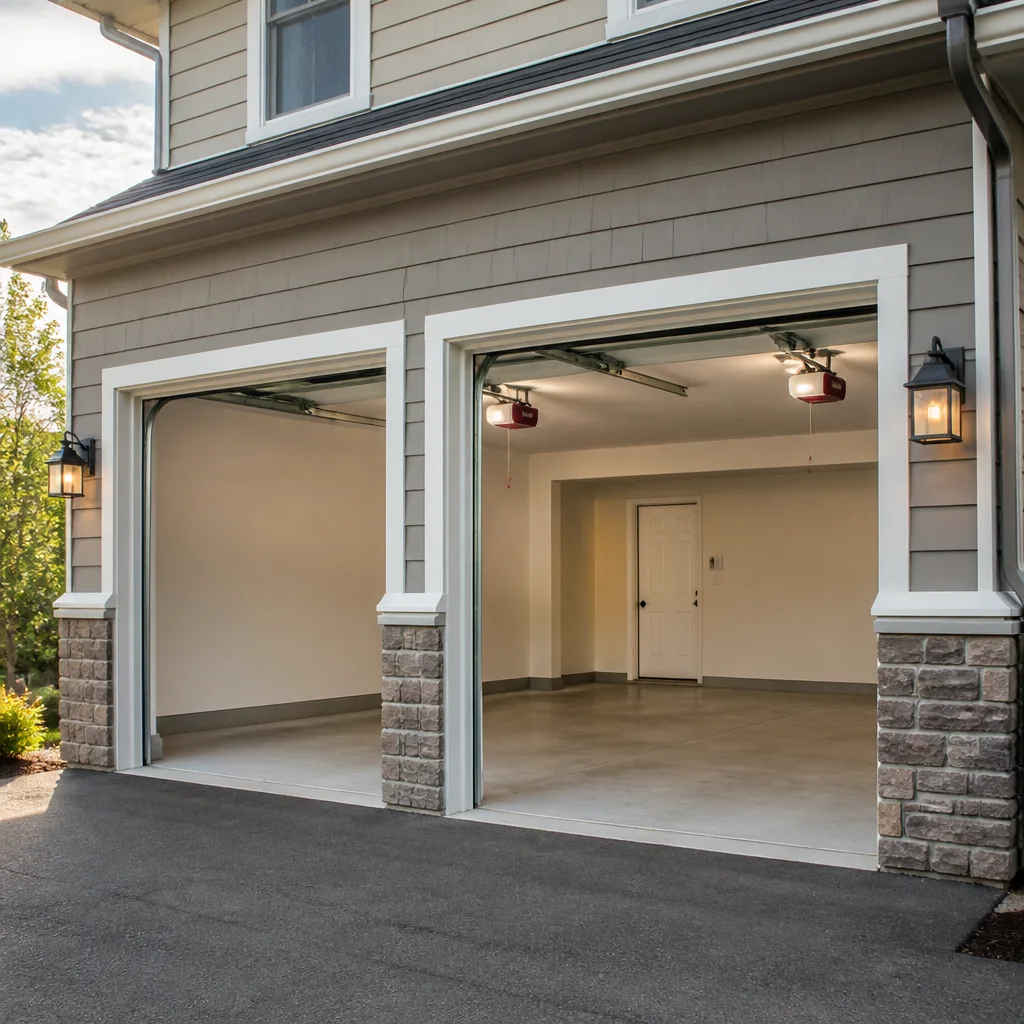 LiftMaster openers
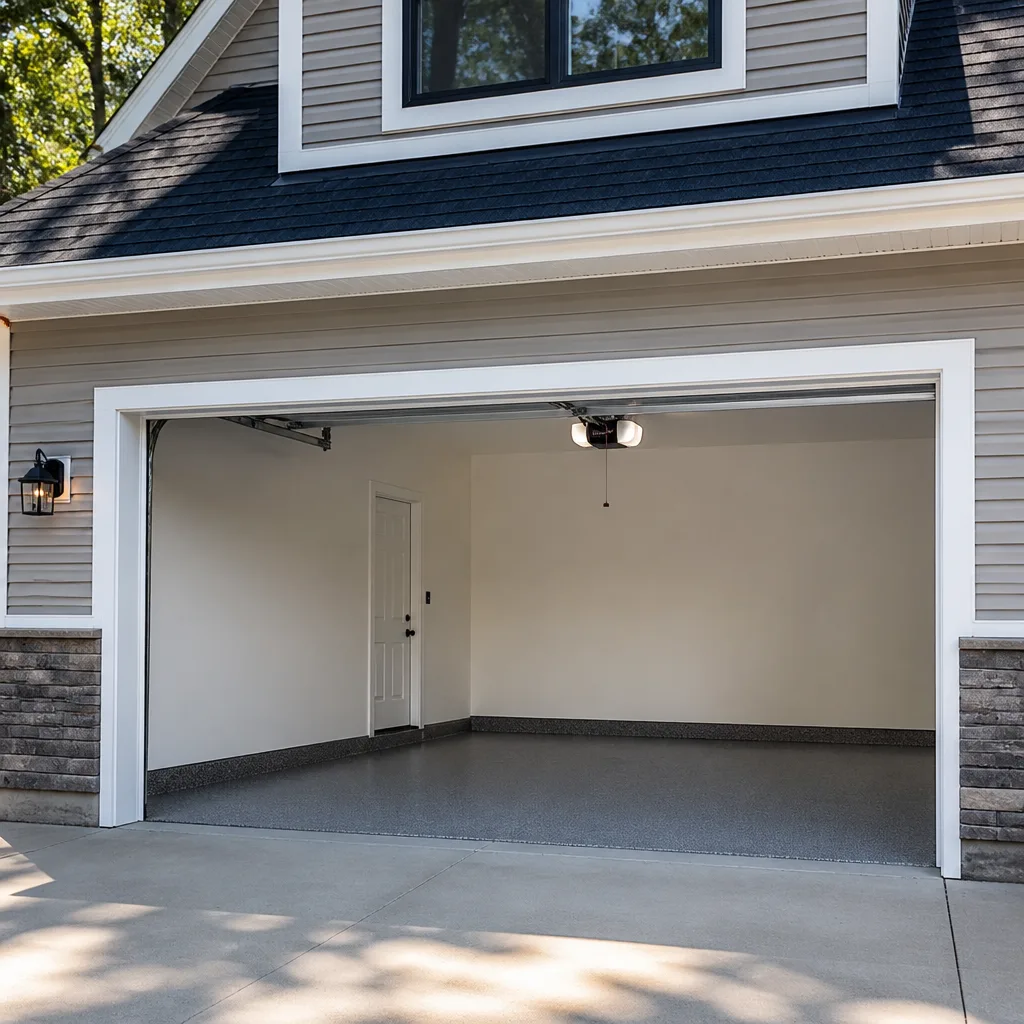 Chamberlain openers
Full 25-point door and opener safety check with every visit - springs, cables, rollers, tracks, and your LiftMaster or Chamberlain opener included
You get a price before we start. It does not change when the pro arrives.
Get your free estimateGarage Door Repair Troubleshooting in Boulder: Common Problems and How to Fix Them
A noisy garage door and a slow garage door can share the exact same fix. Or they can have completely different root causes, one of them a folded spring two cycles from failing. Here’s the problem: most homeowners in Boulder treat symptoms. A squeak gets oiled. A slow opener gets its sensitivity turned up. A door that stops halfway gets opened by hand until it’s inconvenient enough to call someone.
That’s how a small repair becomes a large one. A dry or kinked track that would take minutes to correct starts wearing rollers that then start chewing the door panel. A genuinely minor mechanical issue gets ignored because the noise quieted down after the last lube job. In our experience, the majority of expensive garage door repairs we see were actually two smaller problems stacked on top of each other, one hidden by the quick fix applied to the other.
This guide maps the common garage door problems we see in Boulder to their real causes. It covers how freeze-thaw cycles warp tracks, why altitude changes how opener motors behave, and how to run three safe tests at home before you call anyone. It also explains which two tests you should never attempt yourself. The point isn’t to turn every homeowner into a technician. It’s to make sure you call the right kind of help for the right problem, so you don’t pay for the wrong repair.
Quick Answer
Most garage door problems trace back to one of four categories: a mechanical fault in the door or its hardware, a track or alignment issue from freeze-thaw movement, a failing spring or cable, or an opener problem that has nothing to do with the door itself. Diagnosis comes before parts, and the wrong diagnosis is the most expensive thing in the whole process. Any safe troubleshooting at home stops at the point where something needs to be opened, disassembled or adjusted under tension: springs and cables are handled by trained technicians, period.
Styles & brands we work with
- Raised-panel steel
- Carriage house
- Modern flush
- Full-view glass
- LiftMaster openers
- Chamberlain openers
Table of Contents
- Symptom-to-Cause Matrix for Colorado Front Range Homes
- Distinguishing Opener Failure From Mechanical Failure
- Three Tests You Can Safely Run and Two You Shouldn’t
- Why Boulder’s Altitude Affects Your Opener Motor
- Springs, Cables, and the Squeak That Isn’t Just a Squeak
- Track Problems Caused by Freeze-Thaw Cycles
- Brand-Specific Failure Points Worth Knowing
- What Repair Costs Typically Look Like in Boulder
Symptom-to-Cause Matrix for Colorado Front Range Homes
Boulder garage door problems look a little different from the same problems in a warm, humid climate. The Front Range sits in a semi-arid zone with wide daily temperature swings. A garage on the western side of Boulder, nearer the Flatirons, sees the same freeze-thaw cycles as one out in the plains east of town, just with more shade and slower thaw times. That slow thaw is what matters for the door.
Freeze-thaw affects garage doors in two specific ways. Metal tracks contract in the cold and expand in the heat. Over a few seasons, that movement can shift an anchor point just enough to pull a track slightly out of vert. The door still opens, but it works against friction. Springs lose a small amount of tension in very cold weather, which puts more load on the opener motor during the first open of a morning. Neither issue is dramatic on its own. Together they’re a slow wear cycle no humid climate produces the same way.
Here’s the matrix we use, laid out symptom-first:
- Door won’t open from the remote, but the wall switch works: usually an opener logic or remote pairing problem, not the door.
- Door opens a foot, then reverses: a safety sensor alignment issue or a mechanical bind the opener is reading as an obstruction.
- Grinding or scraping as the door moves: track wear or a roller that’s come off its stem.
- Door sags in one corner when open: a tensioned spring or a stretched or jumped cable. This is a technician-only diagnosis.
- Opener motor runs and nothing moves: a stripped gear, a broken drive coupling, or a dead disconnect on the door side.
- Door closes on the remote but won’t stay shut: safety reverse travel limit misread, common after a season of temperature expansion.
- Whining or humming that starts slow: a capacitor starting to fail or a motor under a heavier load than it should be.
The point of the matrix is to stop the guess. A grinding door is a door problem even when it sounds like an opener problem. A door that reverses from the remote but works fine from the wall switch is usually the opener, and the door itself is fine. Getting that call right the first time saves money and avoids parts churn. When you’d rather hand the diagnosis off, garage door repair covers exactly this kind of work in Boulder.
Distinguishing Opener Failure From Mechanical Failure
About a third of the “opener failures” homeowners call about are mechanical problems, and about a third of “mechanical failures” turn out to be the opener. The two are easy to confuse because both present as “the door doesn’t work.” The single fastest way to tell them apart is to pull the emergency release cord, which disconnects the opener from the door and lets you move the door by hand.
With the door disconnected, operate it manually. If it moves freely and stays balanced, the door and its hardware are fine. Your problem is in the opener. If it resists, grinds, jerks, sags or won’t stay up, you have a mechanical problem, and the opener was likely working harder than it should have been rather than failing on its own.
- Pull the release cord. The door disconnects from the opener trolley. Do this with the door fully closed.
- Lift the door a few inches by hand. Let go. A well-balanced door stays put with maybe a slight drift. A door that drops has a spring or balance issue.
- Move the door through part of its travel and listen. A smooth roll is normal. A grind, thump or binding at a specific point is a mechanical problem worth a call.
- Reconnect the door and try the wall switch. If the door runs smoothly from the wall switch but not the remote, the opener is fine and the remote or its pairing is the issue.
What that test tells you matters more than you’d expect. If the door is mechanical, the opener should be left alone while the door hardware is corrected. Swapping an opener because a roller is off the track is a very clean way to pay for a repair and still be stuck. In our experience, the pattern holds across the brands we see most on the Front Range, from the basics of garage door opener repair to the specifics of how a particular model signals a fault.
Three Tests You Can Safely Run and Two You Shouldn’t
Restraint is part of troubleshooting. There are things a homeowner can check at zero risk, and there are components that put you in the path of serious stored energy even when the door “looks” safe. We’d rather you understand where that line is than test it. Here are the three checks worth running, in order, and the two most commonly overstepped attempts.
The Three Safe Tests
- Safety reverse test. With the door open, place a small solid object like a brick or a piece of scrap wood directly under the door and press the wall control to close. The door must reverse within a couple of seconds of contacting it. If it keeps pressing, the safety system isn’t working and the door shouldn’t be used until it’s corrected.
- Photo-eye alignment check. You don’t need to touch anything. Look at the two sensors at the base of the track, confirm both lenses are intact and clean, and confirm the indicator light on each is steady rather than blinking. Bumping a mop or a bag of garden soil against one of them is a very common reason a door won’t close.
- Manual release test. Pull the emergency release, lift the door by hand, and confirm it moves and stays balanced as described in the section above. This tells you whether the door itself is the problem before you touch anything electronic.
The Two Tests You Shouldn’t Attempt
Don’t reach for the spring system. Torsion springs store an enormous amount of energy, and their energy doesn’t go away because the door is closed. Adjusting, unwinding or loosening a spring, or trying to remove a roller while the door is under spring tension, is how people get seriously hurt. A torsion spring is under load every second a garage door is either open or closed. There’s no “safe position” for a homeowner to loosen one from. Extension springs, seen on some older doors, carry the same risk.
Don’t adjust cables either. Cables hold tension against the springs, and they fail instantly and without warning when they finally go. A slack cable is a failed cable, not a loose one. Call a technician for either of these, and keep everyone, especially kids, away from a door with a visibly slack cable or a sagging corner. If either of those conditions is present, don’t use the door. Every trip cycles the energy in the system and brings the next failure closer.
Why Boulder’s Altitude Affects Your Opener Motor
Boulder sits at roughly 5,400 feet, and that elevation does change how a garage door opener behaves. It isn’t usually a dramatic difference. It’s the kind of difference that makes a motor run a touch warmer, spool up a touch slower, and sound slightly rougher than the same model at sea level. Homeowners here often hear that and assume the opener is dying. Usually it isn’t. It’s working a little harder than it was designed for.
Altitude affects electric motors because thinner air cools them less efficiently and reduces the amount of oxygen available for combustion in gas-powered equipment, though that second point doesn’t apply to your opener. What does apply: a motor working against slightly higher ambient heat, particularly in a garage that faces west and picks up afternoon sun, ages a little faster and stresses its capacitor a little sooner. Belt-drive and chain-drive openers both handle altitude well, but a motor that’s already marginal shows it more plainly here than it would in, say, a lower-elevation city.
How to tell altitude-related sluggishness from a dying motor:
- Consistent sluggishness every day, cold or warm: more likely altitude or ambient temperature than a failing motor.
- Sluggish only in cold weather, fine in summer: usually the door’s springs and weatherstripping, not the motor. The opener is doing more work to move the door.
- Sluggish first opening, fine after: a common pattern in a door that’s sat cold overnight, or an opener whose capacitor takes longer to charge in cold conditions. This one isn’t a genuine fault.
- Getting slower over weeks, not days: that trend points at a motor or capacitor problem, not altitude.
- Runs but the door doesn’t move, at any temperature: a mechanical or gear issue. Altitude has nothing to do with it.
If you’re unsure which of these you’ve got, the answer is in the manual test described earlier. If the door moves freely by hand, the motor is your suspect. If it doesn’t, start with the door.
Springs, Cables, and the Squeak That Isn’t Just a Squeak
A squeaky garage door is one of the most common calls we get, and one of the most commonly self-treated. The standard quick fix is spray lubricant on every hinge, roller and pivot point. Sometimes that genuinely works. More often it quiets a symptom that isn’t really about the squeak. A door that’s begun to work against a failing component will squeal, whine and thump as it struggles, and the lube quiets the effort without touching the cause.
Here’s the pattern to watch for. A door that gets lubricated and is quiet for a few weeks before the noise returns is not solving a friction problem. It’s solving a symptom. That’s your signal that something under load is degrading, and springs and cables are the two candidates worth ruling out. A stretched extension spring, or a torsion spring that’s lost some of its wind, will slowly turn a balanced door into one the opener has to push harder against. The extra effort shows up as sound.
Don’t try to lubricate, tighten or otherwise “correct” the spring end of the system. Springs and cables are the highest-energy parts of the door and the two components homeowners should never adjust. If you hear a loud snap and the door drops suddenly, stop. Don’t try to open it, don’t try to diagnose it up close, and call a technician. Springs fail instantly when they fail, and a door held open by a failed spring is a door that can come down hard.
What to check safely instead:
- Does the sound come from the door moving, or from the opener area at the ceiling? Opener-side noise is usually a simpler repair.
- Does the door sag at a corner when open? That points at the spring or cable system.
- Does one side of the door pull free of the track as it travels? Look for slack cable or a bent roller stem.
- Does the door sound different in cold weather than warm? If so, thermal-related hardware movement is likely part of the story, and it’s worth a look before the season turns again.
We treat spring and cable work as core garage door repair, never a side job, because the equipment is unforgiving and the margin for error is that small. If your door has snapped, sagged or made a sound you’ve never heard before, call us. We answer 24/7, and fast dispatch from 7am to 7pm covers most calls for a proper look.
Track Problems Caused by Freeze-Thaw Cycles
Boulder’s track problems have a signature. Metal tracks are anchored to the garage wall and ceiling with brackets, and over a winter those anchors work slightly loose. Not fully, just enough. A track that’s a degree or two off vertical will still guide the door, but the door will now drag against the rollers, and the opener will work harder for every cycle. Spring arrives, the door seems to run smoother, and the problem hides until the next cold snap. Repeat that cycle for a few seasons and the door has quietly worn its rollers, hinges and opener belt or chain against an avoidable friction load.
What a freeze-thaw-related track issue looks like:
- A visible gap at one point between the roller and the track. The roller has room to rattle or bind around a particular curve of the track. Often most noticeable at the transition from vertical to horizontal.
- A visible bend, dent or twist in the track. Ice dams, wind-blown debris or a bumped-in panel can push a track out of shape. A bend means the roller force has nowhere good to go.
- Rust or pitting along the track interior. Less common in a dry, semi-arid climate than in a humid one, but a garage with a poorly vented warm side can still build condensation at the metal.
- The door settles against the floor unevenly. A track that’s shifted slightly out of plumb will push the door’s alignment. This often means the door doesn’t sit flush to the weatherseal.
Track adjustment is a technician-level job. Moving a track might seem straightforward, and sometimes it is. But a track problem is usually a symptom of something the bracket or anchor wants to do differently, and moving the visible piece without addressing the anchor just buys a few weeks. Once the track is set right, the rollers and hinges wear at their intended rate again, and the opener works closer to spec. A proper inspection of the full door system is included in Boulder Garage Door Service repair visits because a track that’s out of alignment is often the first clue a spring or cable has started to go.
Brand-Specific Failure Points Worth Knowing
Brand familiarity shortens diagnosis. We’re factory-familiar with eight of the most widely installed door and opener brands in North America: LiftMaster, Chamberlain, Genie, Clopay, Amarr, Wayne Dalton, Craftsman and Raynor. That coverage means the majority of doors actually in Boulder garages are ones we already know the failure patterns for.
A few examples of where brand knowledge pays off:
- Wayne Dalton doors built on certain panel systems have specific hinge and roller assemblies that wear in predictable spots after seasons of temperature cycling. Knowing which part of which model goes first means we don’t have to guess.
- Craftsman openers have a well-documented pattern where a stripped drive gear produces a door that runs the motor but doesn’t move. That’s a classic case of a symptom that looks like a full opener failure and is really a single-part repair.
- Amarr residential doors consistently respond to track and roller adjustments in a way that tells us whether you have a track problem or a balance problem, before we start.
- Raynor doors with older spring configurations need the specific tension settings for the door size and weight, and those settings are model-specific rather than generic.
The reason all of this matters has less to do with any one brand and more to do with the pattern. Every brand has a few failure points that show up again and again, and a technician who already knows them arrives ready rather than guessing in your driveway. We also work with the openers that connect to modern smart-home systems from LiftMaster, Chamberlain and Genie, so if the door and the phone have stopped talking to each other, that’s diagnosable too.
If you’ve got a door or opener from a brand you haven’t been able to get good service on, that’s the call we’re most used to. We service equipment from those eight brands, and we don’t subcontract the work out. One visit, one diagnosis, the parts we know are correct.
What Repair Costs Typically Look Like in Boulder
Every circumstance differs, so we won’t tell you the exact price until we’ve seen the door. But you should have a sense of what a repair usually runs before you pick up the phone. The line-item ranges below are typical estimates for the Boulder area. Your written estimate sets the final price.
Note on springs: the range below is for one spring. A matched pair is usually replaced together, which means a pair costs about twice the single-spring figure. If your door has two springs and both are failing, we’ll quote both in the written estimate rather than replacing one and leaving the door half-served.
- Single torsion spring replacement: $180 to $340 typical for one spring.
- Extension spring replacement (each): $130 to $260 typical for one spring.
- Cable replacement (per cable): $150 to $300 typical.
- Roller replacement (per roller): $12 to $25 typical.
- Hinge replacement (per hinge): $15 to $30 typical.
- Track adjustment or minor track repair: $100 to $250 typical.
- Safety photo-eye sensor replacement: $90 to $180 typical.
- Opener motor capacitor replacement: $110 to $220 typical.
- Opener drive gear or coupling replacement: $140 to $280 typical.
- Wall console or remote pairing and replacement: $60 to $150 typical.
These are estimates, and the written price you approve is the price. The estimate is free, and it’s set before any work starts, so you don’t get an invoice that surprises you at the end. A couple of things do move the number up: a door that’s been misused after a partial failure, or a repair that connects to a second issue. Diagnosis before parts is what prevents that second issue from costing you twice.
If you want a firm figure rather than a range, we’d rather see the door. Call (855) 683-6002 for a free estimate. Estimates are written, and the price is quoted and agreed before any work starts.
Common Mistakes to Avoid
- Treating every noise with lubricant. Lubricant on a hinge is fine. Lubricant sprayed over a failing cable or a spring about to snap only hides the warning. A door that squeaks again a few weeks after a lube is telling you about a component under load, not friction.
- Assuming the opener is the problem. The door-not-the-opener question is worth answering first. Pull the release, move the door by hand, and let that determine what’s actually failing before you and a technician talk about replacing the motor.
- Adjusting the opener’s travel limits to fix a reversing door. If the door reverses on its own, it’s telling you the safety system has detected an obstruction. Loosening or tightening the close limit hides that message and can result in a door that pushes into something it shouldn’t.
- Waiting on a visibly sagging door. A corner that sags in the open position is a spring or cable problem already in progress. Using the door as normal while that’s happening pushes the remaining component toward failure and turns a modest repair into a larger one.
- Running the opener with the safety reverse disabled. A door that can’t detect an object in its path is a hazard in a garage that’s used by kids or pets. The reverse test is free and takes a minute. If it fails, the door should be out of service until it’s fixed.
- Mixing a whole new opener with an old door. A brand-new motor on a door with aging springs and worn rollers runs against the same friction load and doesn’t fix anything. Correct the door first, then judge the opener.
- Ignoring track issues in Boulder’s freeze-thaw. A track that looks fine in June can be off-vert by the following February. If your door has been running rougher each winter, that’s a pattern worth checking, not a coincidence.
See the difference
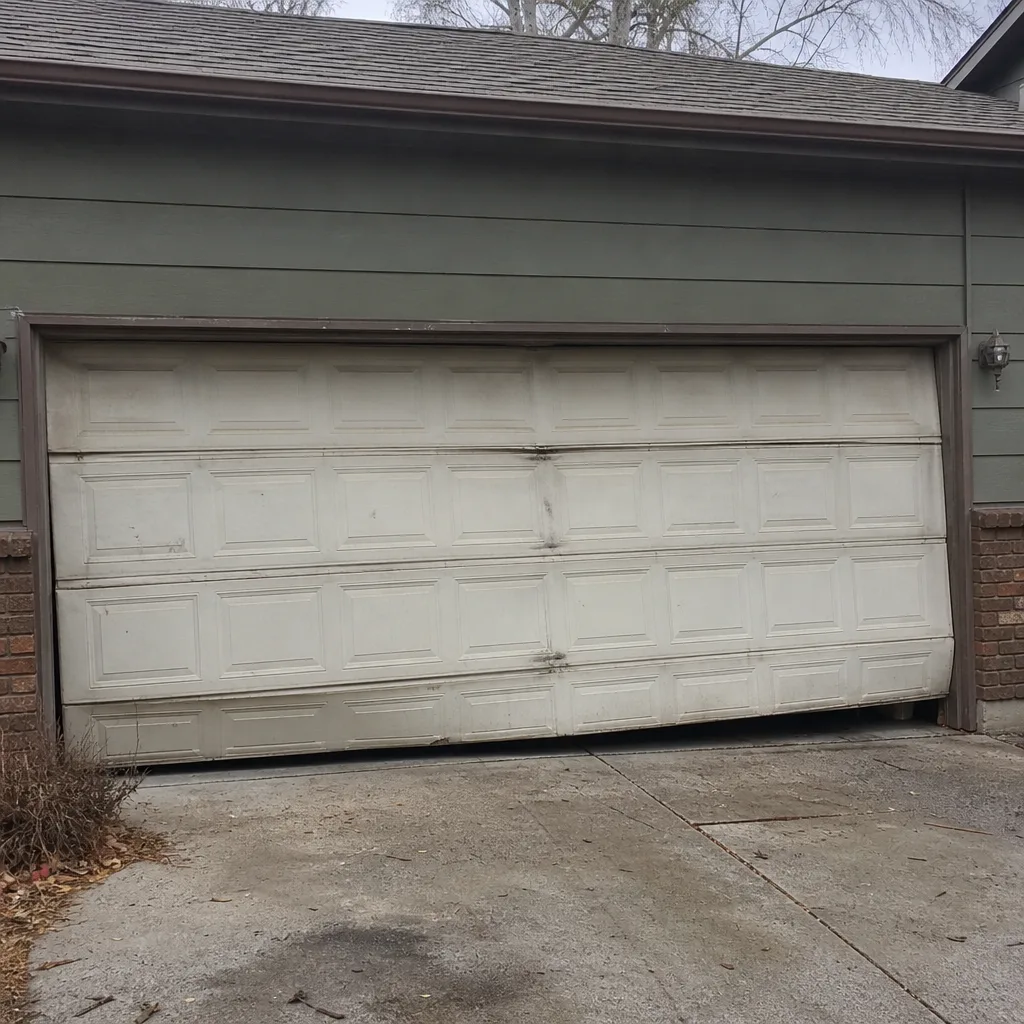 Before
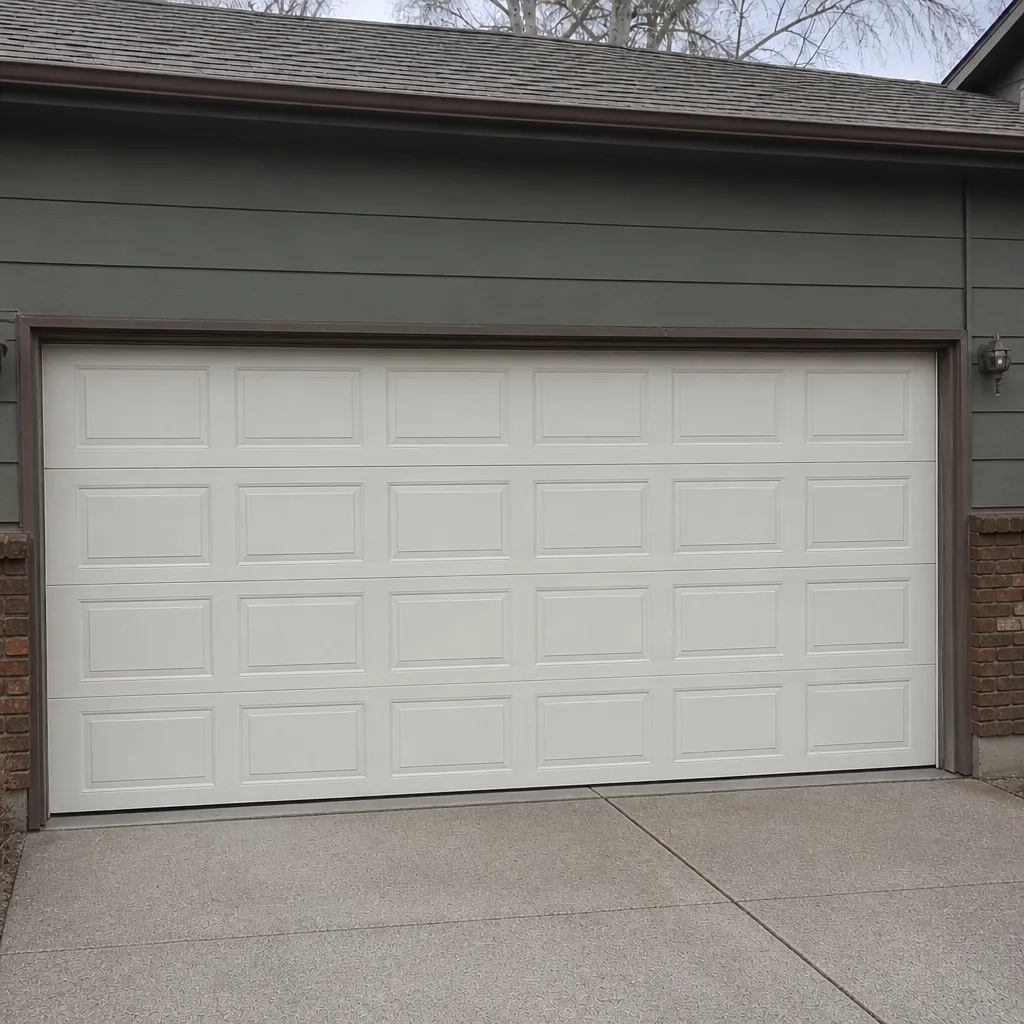 After
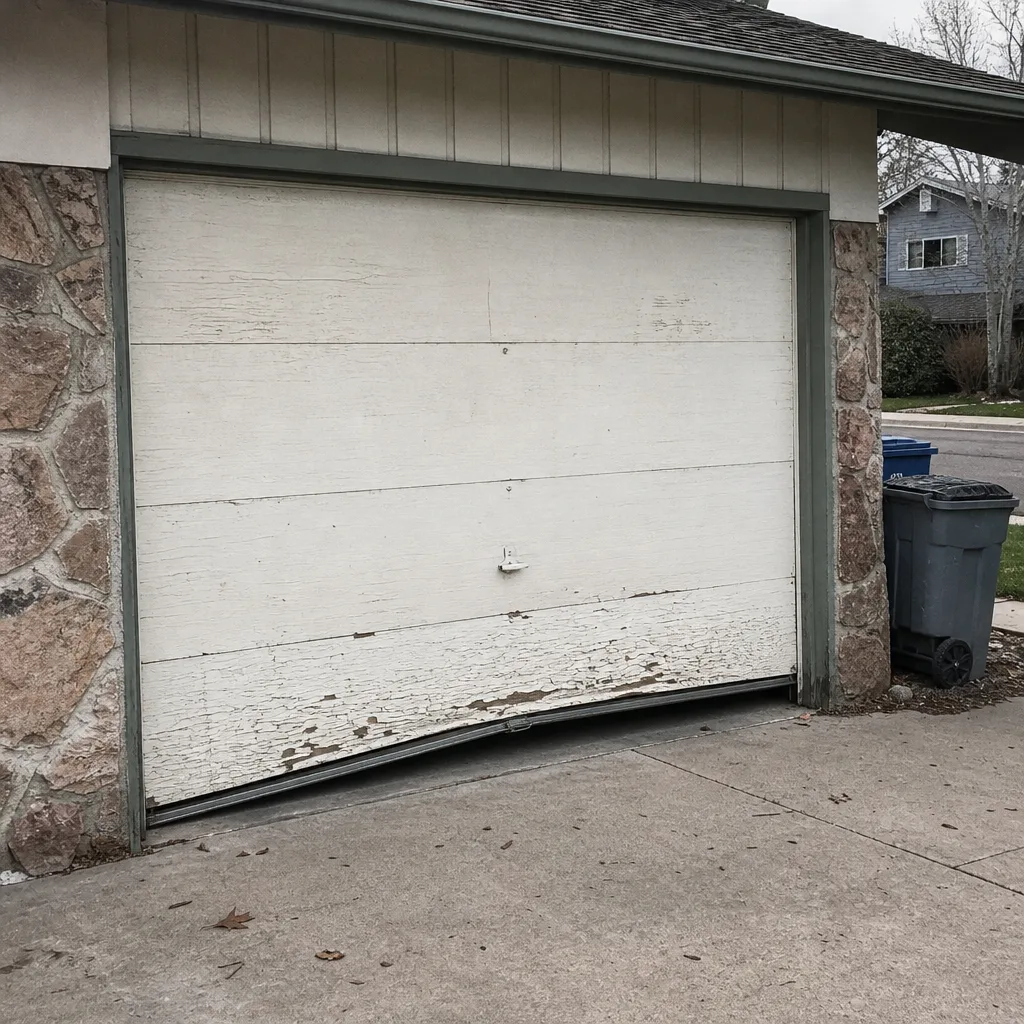 Before
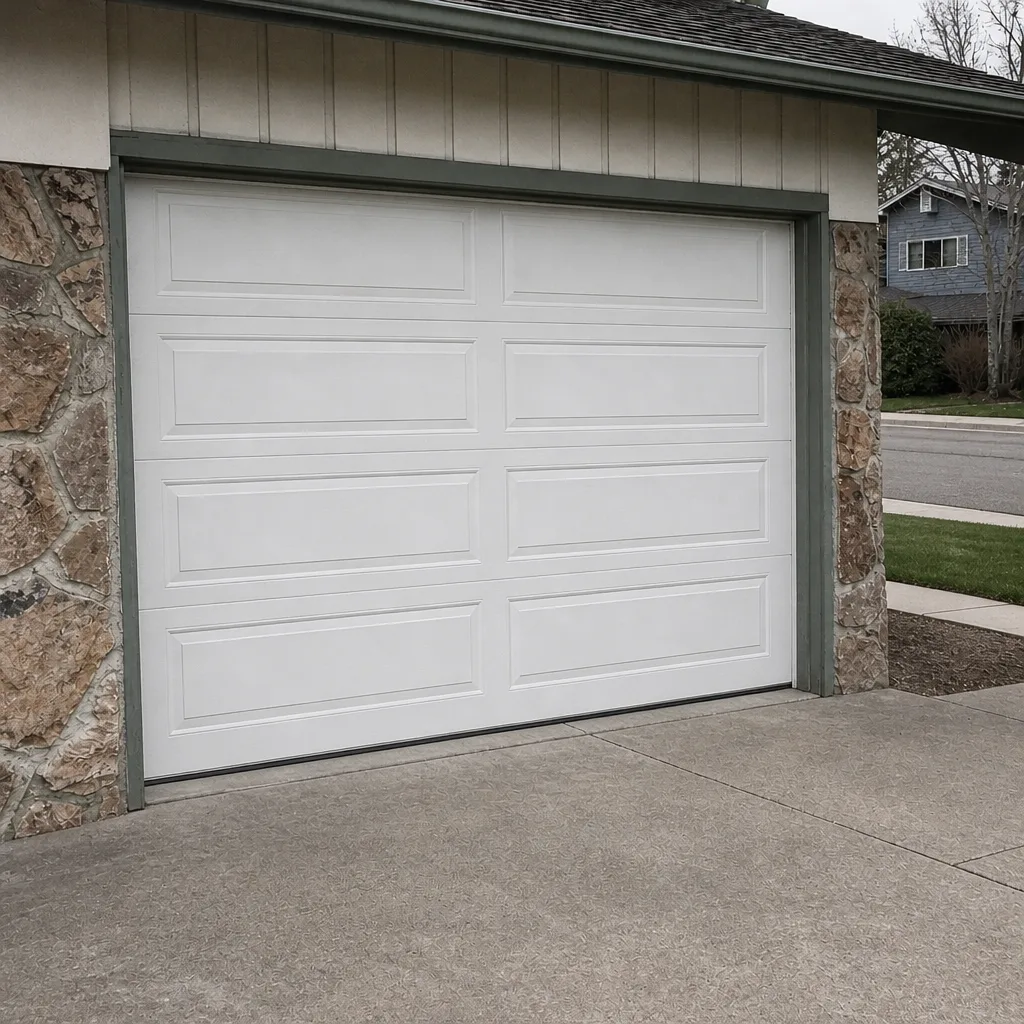 After
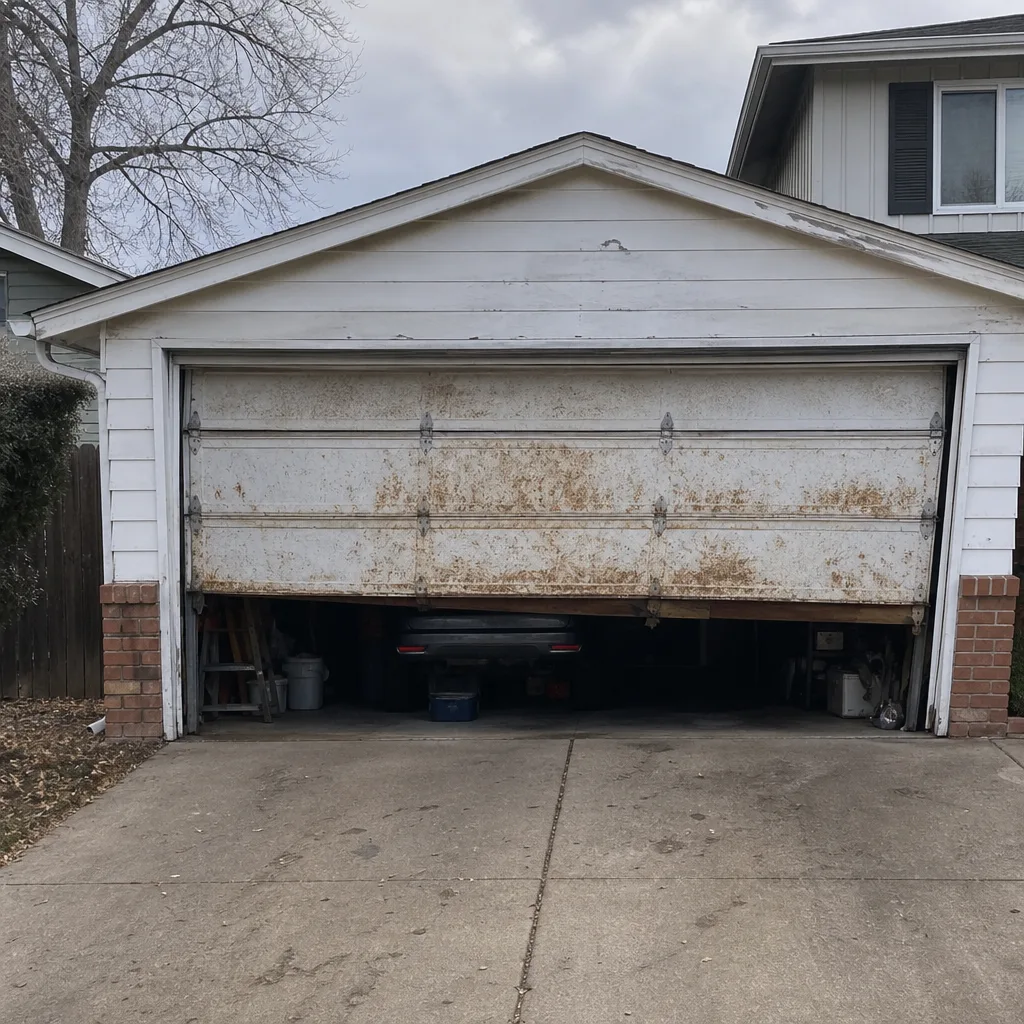 Before
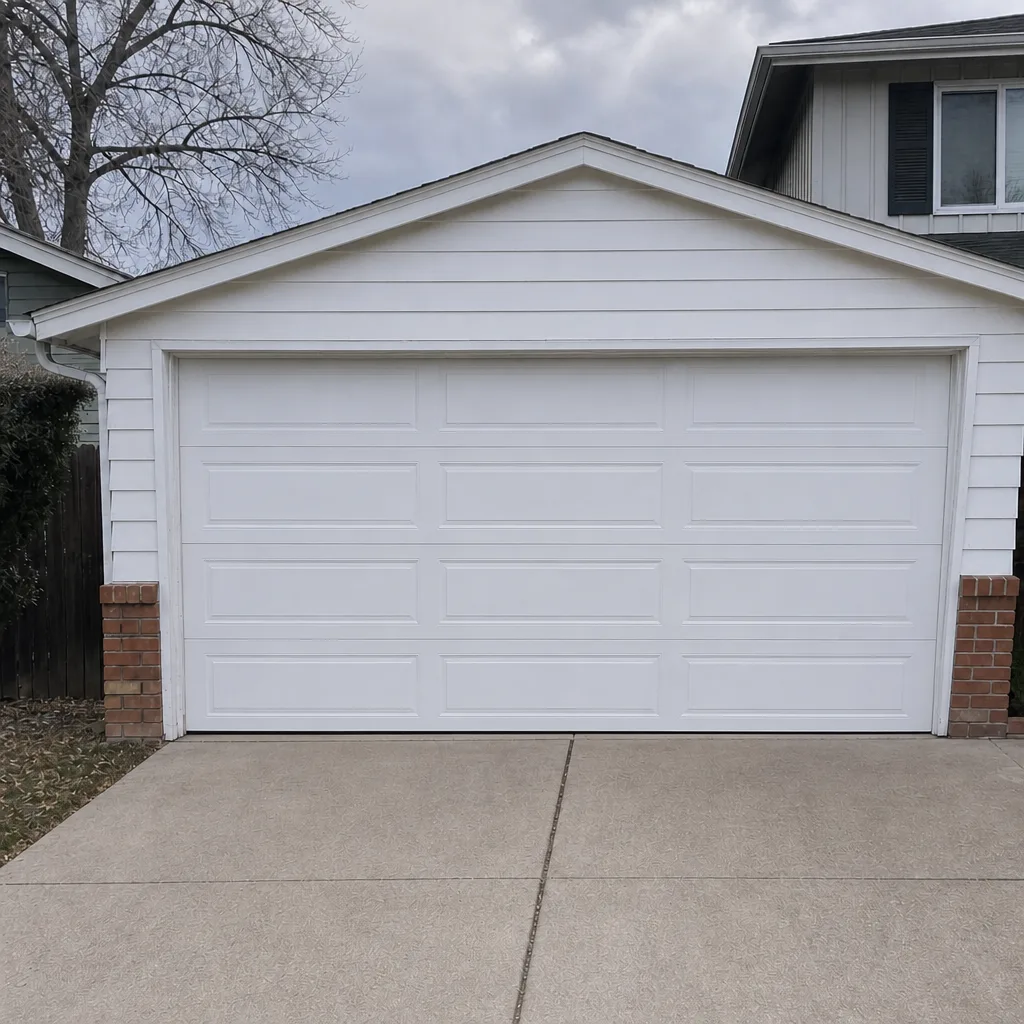 After
When to Call a Professional
Call a technician when the door snaps, sags, or lifts unevenly; when a cable is visibly slack or has come off a drum; when the safety reverse test fails and won’t come back; when the opener runs but the door doesn’t move; or when an adjustment you’ve tried hasn’t held. Springs and cables are always professional work, and no safe amount of troubleshooting at home changes that. If a spring has broken and the door is hanging, leave it hanging and call instead of trying to work it carefully open. We answer 24/7, and fast dispatch from 7am to 7pm gets a technician to you when you need one.
Boulder Garage Door Service offers free estimates in Boulder on repair, opener diagnostics and installation. Our technicians have up to 9 years of experience, and we treat door and opener as one system because the problem often sits at the meeting point. Call (855) 683-6002 for a free estimate.
Frequently Asked Questions
Most garage door repairs in Boulder fall somewhere between $100 and $340 depending on the part, with a single torsion spring usually the biggest single item at $180 to $340 typical. Smaller parts like rollers ($12 to $25 each) and hinges ($15 to $30 each) sit at the low end. The written estimate sets the final price, and the estimate itself is free. Call (855) 683-6002 for an exact quote based on your door and opener.
Same-day service is often available for repair and opener calls, and we answer the phones 24/7. Fast dispatch from 7am to 7pm covers most of the day. A call outside dispatch hours is booked into the next opening, Sunday through Friday, 7am to 7pm. If you’re not sure whether your problem needs a same-day visit, describe it when you call and we’ll tell you straight.
No, not once you’ve approved the written estimate. We inspect before we quote, and the quote is agreed before any work starts. That’s the actual protection: the diagnostic step happens first so the written price reflects the real problem rather than a guess. If we find a second issue mid-repair, we don’t proceed on it without your approval. Call (855) 683-6002 for an exact quote on any repair.
Yes. Our technicians are licensed and insured for garage door work, which matters most on spring, cable and height work where the risk is real. We won’t have a homeowner holding a door while someone works on it, and our technicians arrive with the right tools for the full door and opener system. Estimates are free, so there’s no cost to find out which repair you’re looking at. Call (855) 683-6002 for a free estimate.
Cold weather changes the geometry and tension of a garage door system, which is why the same door sounds louder or slower in January than in July. Metal tracks contract, springs lose some cold-weather tension and the weatherstripping stiffens. A door that’s genuinely fine will sound a little rougher in the cold and return to normal when it warms up. A door that’s getting worse through the winter is telling you about a mechanical issue, not the weather. If the noise keeps getting louder, that’s the call to make. Call (855) 683-6002 for an exact quote.
No. Torsion and extension springs are under significant stored energy every moment of every day, and a spring failure is instantaneous and can be dangerous. There’s no safe way for a homeowner to loosen or adjust one. What you can do safely is keep clear of a door with a slack cable or a sagging corner, keep everyone out of the garage door’s travel path, and call a technician. We treat every spring call as urgent because an unsupported door is a hazard. Call (855) 683-6002. We answer 24/7, with fast dispatch from 7am to 7pm.
Yes. Craftsman and Wayne Dalton are both in the set of brands we’re factory-familiar with, along with LiftMaster, Chamberlain, Genie, Clopay, Amarr and Raynor. Older Craftsman openers in particular have well-known failure patterns, and knowing those patterns shortens the diagnosis. If you’re unsure whether your door is one we service, tell us what’s on the label when you call and we’ll confirm. Call (855) 683-6002 for a free estimate.
The Bottom Line
The problem with garage door troubleshooting isn’t usually a lack of information. It’s fixating on the symptom. A noise, a slow start, a door that stops short, all of these have causes, and the cause is sometimes three steps removed from the thing making the noise. Boulder’s freeze-thaw cycle complicates the picture because a track that’s minorly out of plumb can look like a failing motor. Altitude can make a healthy opener sound tired. And a squeak can be a hinge that needs a drop of lubricant, or a spring that’s about to go.
The pattern worth remembering: check whether the door is the problem before the opener, test what’s safe to test, and call on the parts that aren’t. A proper diagnosis before any parts are swapped is what keeps a small repair small. If you want a technician who knows your door by its brand before touching it, and who treats door and opener as one system, we can get to work on your garage door in Boulder. Call (855) 683-6002 for a free estimate. We answer 24/7. Fast dispatch from 7am to 7pm, Sunday through Friday.
Our service covers the whole system across Boulder, and if you’re not sure where your problem falls, one call settles it.
Written by the team at Boulder Garage Door Service.