
Last updated November 15, 2026
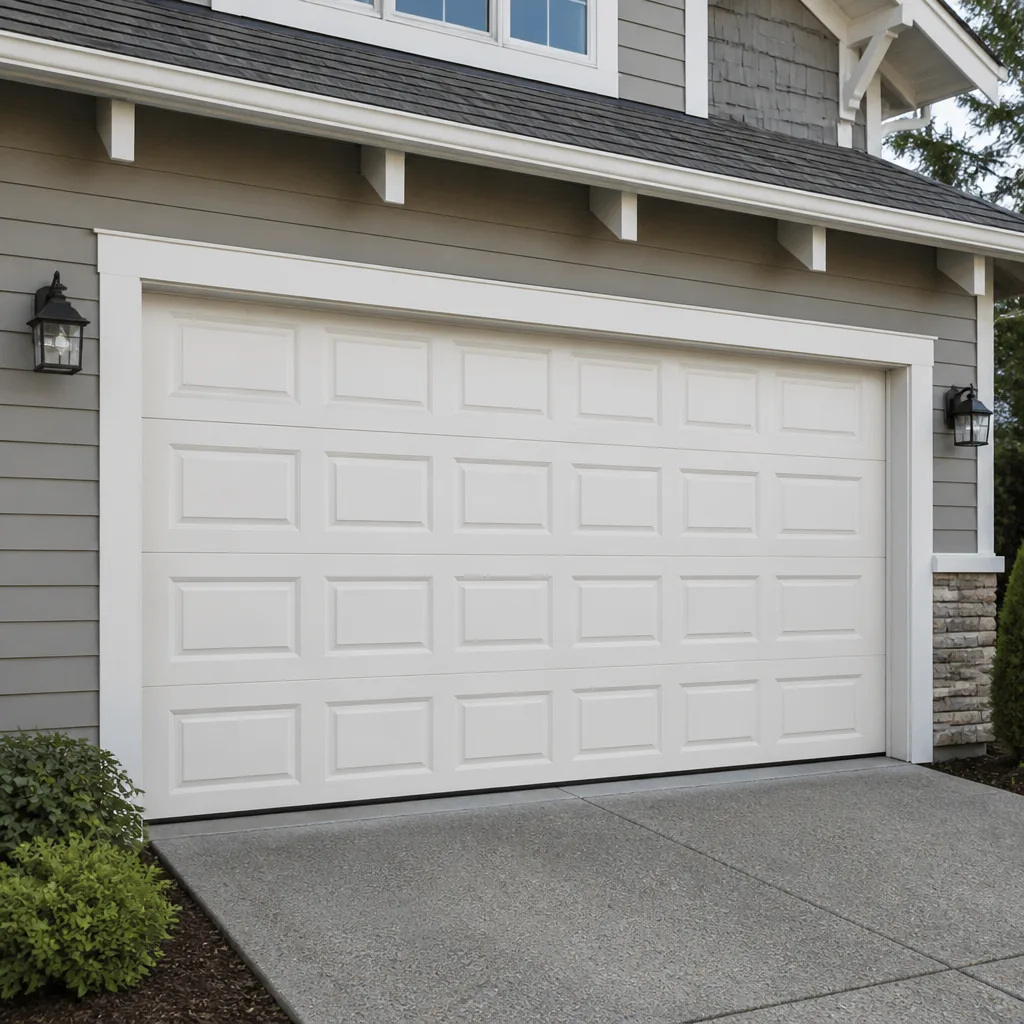 Raised-panel steel
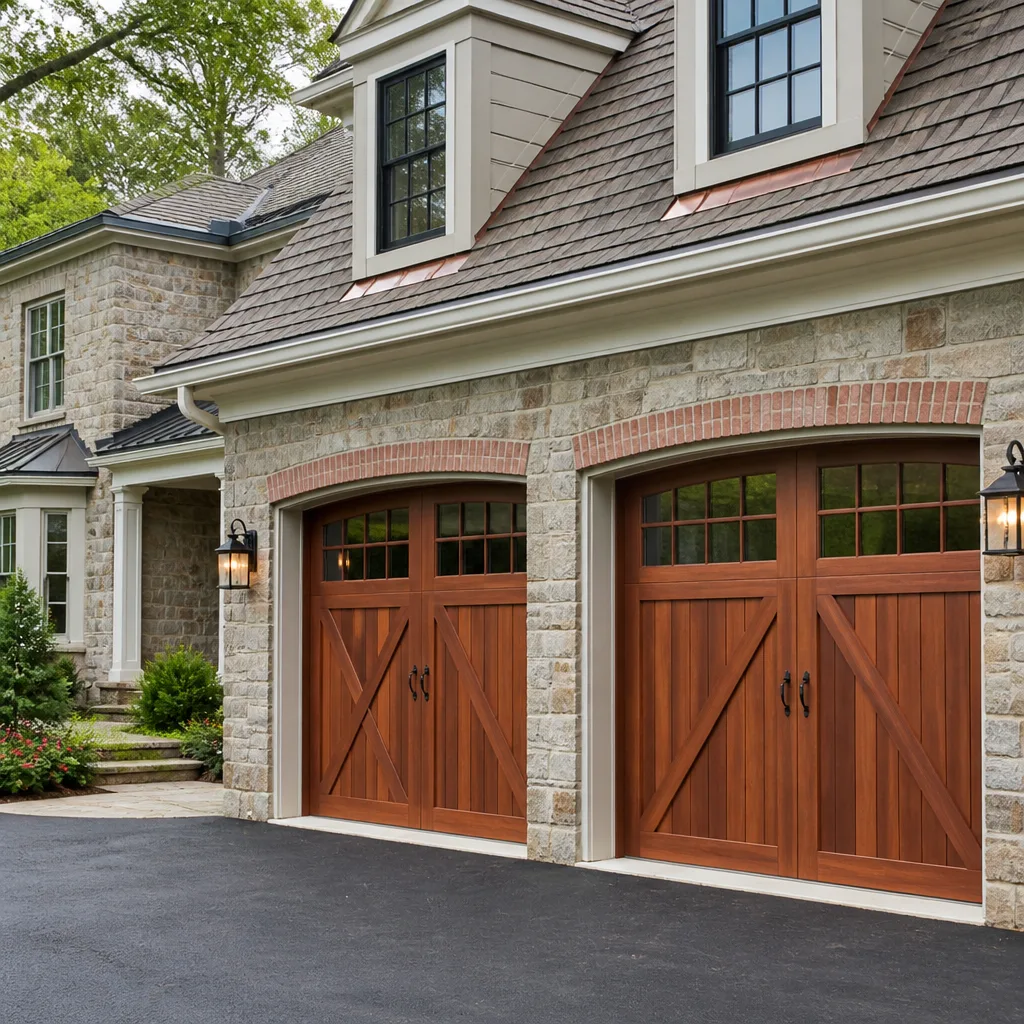 Carriage house
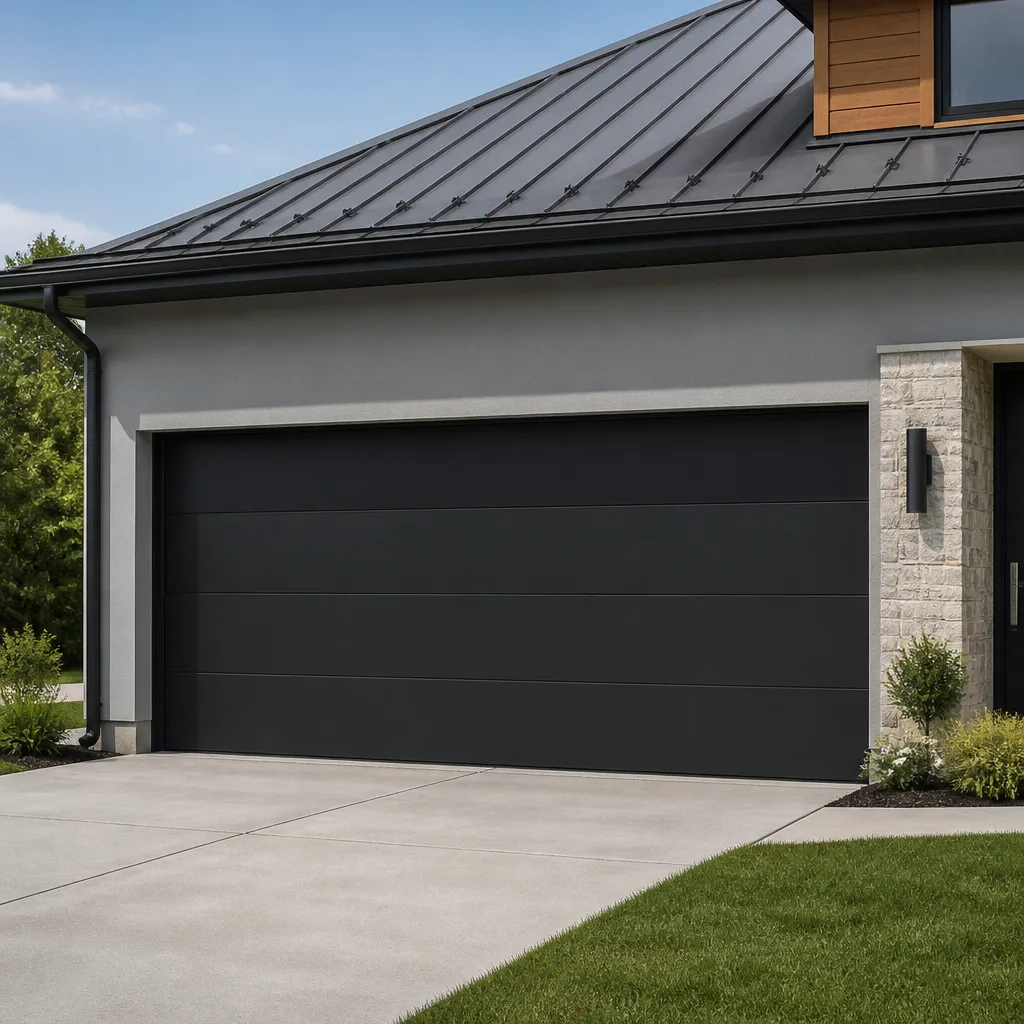 Modern flush
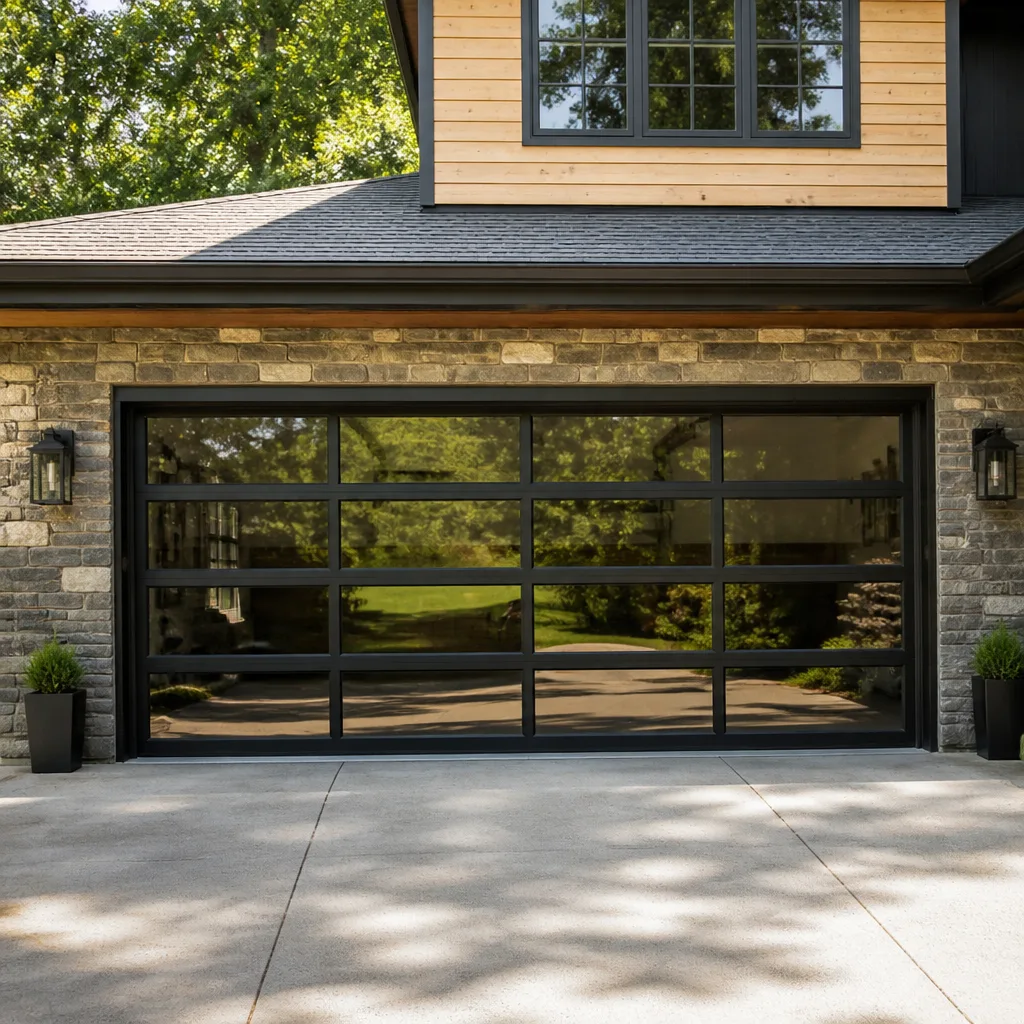 Full-view glass
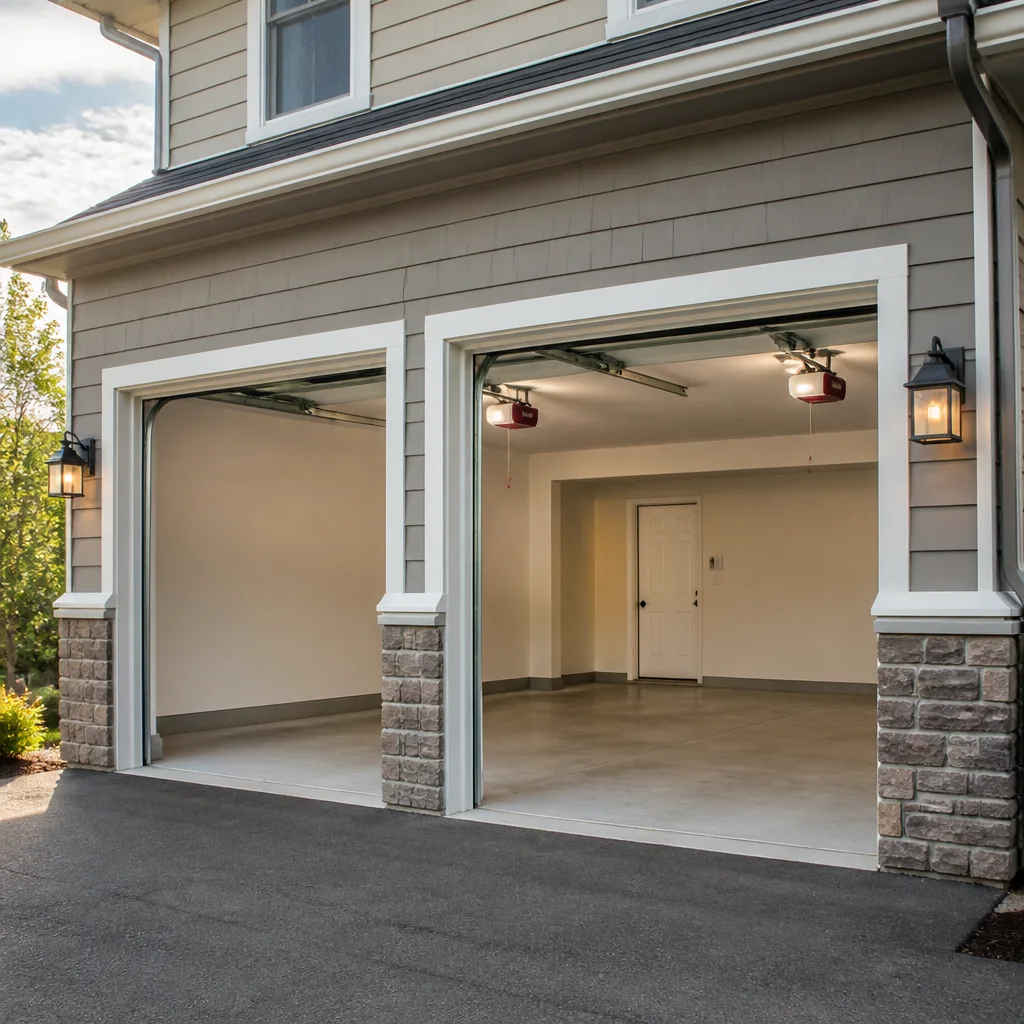 LiftMaster openers
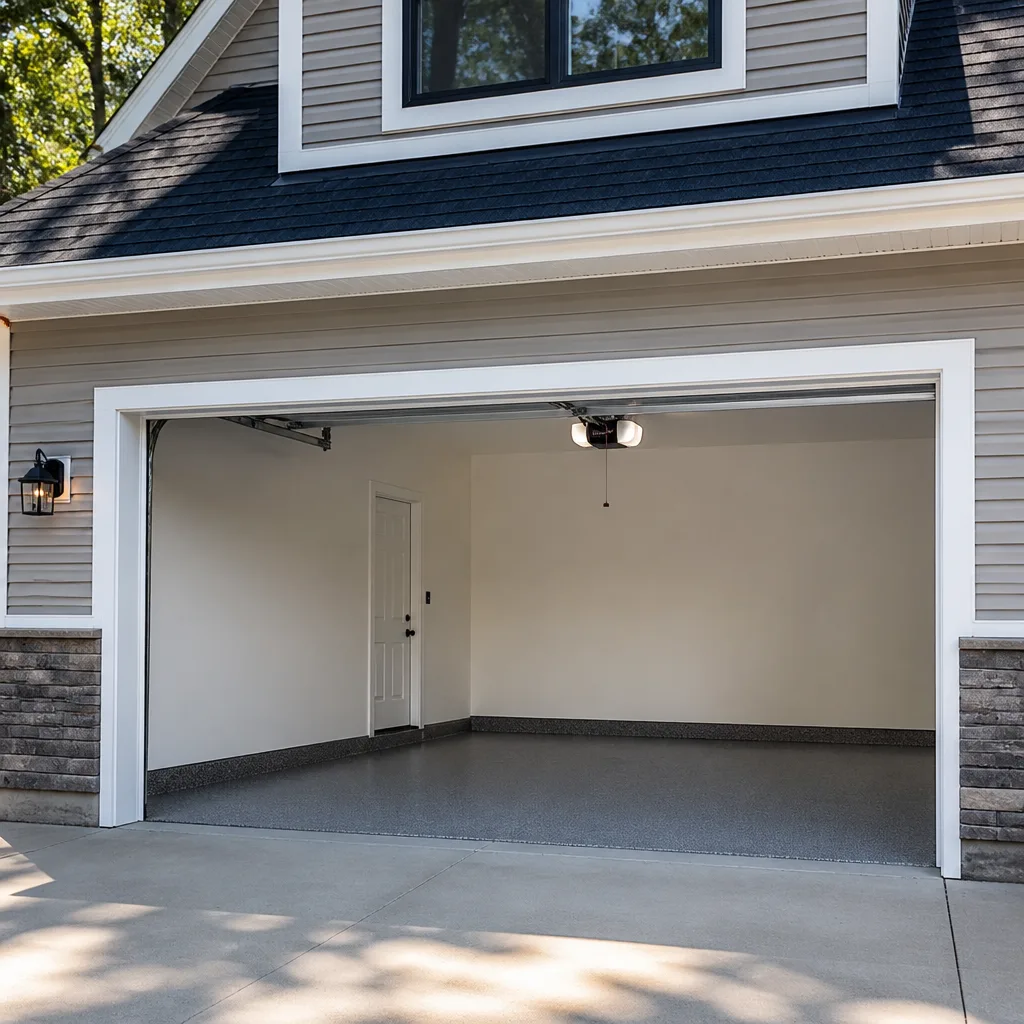 Chamberlain openers
Full 25-point door and opener safety check with every visit - springs, cables, rollers, tracks, and your LiftMaster or Chamberlain opener included
You get a price before we start. It does not change when the pro arrives.
Get your free estimateGarage Door Cost Breakdown: The Boulder Homeowner’s Reference for 2026
Most garage door cost guides you’ll find online are built on national averages that fold together rural Iowa, suburban Atlanta, and a dozen markets with nothing in common. Boulder isn’t one of those markets. Homeowners here routinely pay more than the Colorado average for the same job, and the reasons are specific: a tight local labor market, materials that travel further to reach a mountain-adjacent city, and permit fees that don’t match what Denver charges. If you’ve been quoted Denver prices and then surprised by a Boulder number, this guide explains the gap line by line so you can read a quote and know exactly what you’re paying for.
Quick Answer
Garage door replacement in Boulder typically runs $1,800 to $4,500 for a standard single-car door installed, and $2,800 to $6,500 for a double-car door, depending on material, insulation, and opener. Spring replacement runs $180 to $340 per spring, and opener replacement runs $350 to $750 installed. Every price is an estimate; your written quote, agreed before any work starts, sets the final number.
Styles & brands we work with
- Raised-panel steel
- Carriage house
- Modern flush
- Full-view glass
- LiftMaster openers
- Chamberlain openers
Table of Contents
- Why Boulder Garage Door Costs Run Higher Than Colorado Averages
- Common Boulder Job Types and Their Price Ranges
- Line-Item Breakdown of a Typical Replacement Invoice
- The Legitimate Cost Variables: What Actually Moves the Price
- Red Flags in Garage Door Quotes
- Permits, Code, and What Boulder Requires
- Cost vs. Value: Which Upgrades Pay Off in Boulder
- How to Get an Accurate Quote: Step by Step
Why Boulder Garage Door Costs Run Higher Than Colorado Averages
Boulder sits at the foot of the Flatirons, and that geography affects garage door pricing in ways homeowners don’t always connect. Materials shipped into the Front Range market carry freight costs that Denver-area warehouses don’t absorb the same way, and the local labor pool for skilled trades is smaller and more competitive than what you’d find along the I-25 corridor south of us. Both of those costs show up in a quote.
The city’s building department adds another layer. Permit fees in Boulder are set locally and don’t mirror what neighboring jurisdictions charge, so a door replacement that needs a permit will carry a fee that reflects Boulder’s own schedule rather than a statewide figure. We don’t publish specific fee amounts here because they change and because the number depends on your project scope; your city’s building department can confirm the current fee for your address.
What the gap actually looks like
In practice, Boulder homeowners pay somewhere in the range of 20 to 30 percent more than the national figures that dominate most cost guides. That’s not a markup for its own sake. It reflects:
- Freight and delivery to a mountain-adjacent market, which adds to the cost of every door panel and hardware set.
- A labor market where skilled installers and repair technicians are in demand and command rates that reflect Boulder’s cost of living.
- Local permit fees that apply to structural changes and full replacements.
- The mix of housing stock in Boulder, which includes older homes in neighborhoods like Mapleton Hill and Whittier where a replacement often involves retrofitting hardware and framing to fit a modern door.
None of that is hidden, but none of it is obvious from a national average either. When you get a quote for Boulder Garage Door Service, those costs should appear as line items you can read, not folded into a single number.
Common Boulder Job Types and Their Price Ranges
Most garage door work in Boulder falls into four categories, and each has its own price band. These ranges are typical estimates for the Boulder market in 2026, and the written estimate you receive sets the final number for your specific job.
Spring and cable repair
Spring replacement runs $180 to $340 per spring. That’s for one spring. Most doors use a matched pair, and a pair is usually replaced together because springs wear at the same rate; a pair costs about twice the single-spring figure. Cables, drums, and related hardware run in a similar range depending on what failed.
Springs hold the full weight of the door under high tension. We don’t walk homeowners through replacing them, because the injury risk is real and the tools required aren’t standard household equipment. This is work for a trained technician.
Full door replacement
- Single-car door, standard steel: $1,800 to $2,800 installed.
- Single-car door, insulated steel or basic wood-look: $2,400 to $3,500 installed.
- Double-car door, standard steel: $2,800 to $4,200 installed.
- Double-car door, insulated or premium material: $3,800 to $6,500 installed.
These ranges include the door, hardware, tracks, and standard installation. An opener, if you’re replacing that at the same time, adds to the total.
Opener replacement or upgrade
Opener replacement runs $350 to $750 installed for a standard unit. Smart openers that integrate with home automation systems, including LiftMaster, Chamberlain, and Genie models, sit at the higher end of that band. If the existing opener is fine but the door isn’t moving, the problem may be the door rather than the opener, which is why garage door opener repair often starts with a diagnostic rather than a replacement quote.
Panel swap
A single damaged panel can often be replaced without replacing the whole door, running $300 to $900 depending on the door’s brand and whether the panel profile is still in production. Brands like Amarr and Wayne Dalton have broad parts availability; older Craftsman doors may be harder to source. If your door is a discontinued model, a panel swap may not be possible, and the quote should tell you that clearly rather than promising a match it can’t deliver.
Line-Item Breakdown of a Typical Replacement Invoice
A garage door replacement invoice shouldn’t arrive as a single lump sum. Here’s what a legitimate breakdown looks like, in the order most invoices present it. Your specific numbers will differ; the categories shouldn’t.
1. Materials
The door itself, plus tracks, hinges, rollers, springs, cables, and hardware. For a standard steel double door, materials typically represent 50 to 60 percent of the invoice.
2. Labor
Removal of the old door, installation of the new one, and testing. This is the line that reflects Boulder’s labor market most directly. A single-car installation usually takes a half day for two technicians; a double-car door with an opener and electrical work can take most of a day.
3. Disposal and haul-away
Old doors don’t go in a residential bin. Disposal typically runs $75 to $200 depending on the size and material of the old door and local transfer station rates.
4. Permit
Where required, the permit fee appears as its own line. Boulder’s permit fees are set by the city; ask the building department for the current amount for your project. If a quote includes a permit charge, it should match the city’s published fee, not be a vague round number.
5. Opener and accessories (if applicable)
If you’re adding or replacing an opener, it appears as a separate line with the model named. A quote that says “opener included” without naming the model is one to question.
6. Optional or recommended work
Framing adjustments, weatherstripping, or threshold replacement. These should be presented as separate, optional items with their own prices, not bundled into the total without explanation.
The Legitimate Cost Variables: What Actually Moves the Price
Not every price difference is a red flag. Some variables are entirely legitimate, and understanding them helps you compare quotes fairly instead of assuming the lowest bid is the best one.
Door material
Steel is the most common and usually the least expensive. Aluminum is lighter but dents more easily. Wood and wood-composite doors cost more, and they need more maintenance in Boulder’s climate, where freeze-thaw cycles and dry summers take a toll on any wood product. A wood door may need refinishing every few years; a steel door with a factory finish won’t.
Insulation
Insulated doors cost more upfront and matter more if your garage is attached and you use it as a buffer zone in winter. A Boulder garage facing north or west sees real temperature swings, and an insulated door helps stabilize that. We don’t quote specific R-values here because they vary by manufacturer and model; the number that matters is on the door’s spec sheet, and a reputable quote should tell you which model you’re buying.
Smart opener vs. standard opener
A smart opener that connects to an app and integrates with home systems costs more than a basic unit. For a household that already runs a connected home, the integration is worth considering; for a household that doesn’t, a standard opener is a reasonable choice. The question is whether the features match how you actually use the door.
Scheduled vs. same-day service
Installation and replacement are measured, ordered, and scheduled. That work doesn’t happen the same day you call, and any company that promises a full door replacement in a few hours on the same call is promising something it can’t deliver. Repair work is different: a broken spring or a non-responsive opener can often be handled same-day. When you call garage door repair, the question to ask is whether the technician can come out today, not whether the door can be fully replaced today.
Panel profile and brand availability
Replacement panels for common brands are easy to source. Panels for discontinued models aren’t. A quote that accounts for a harder-to-find match will be higher, and it should say why.
Red Flags in Garage Door Quotes
The garage door industry has more than its share of suspiciously low bids and padded ones. Here’s what to watch for in each direction.
Signs of a suspiciously low bid
- No permit mentioned on a job that needs one. A bid that skips the permit isn’t saving you money; it’s setting you up to deal with the city later. Ask the building department directly whether your project needs a permit.
- No disposal line. If the bid doesn’t account for hauling away the old door, that cost will appear somewhere, or the old door will end up in your driveway.
- Opener “included” without a model name. This usually means a basic or discontinued unit. Ask for the specific model.
- A verbal price with no written estimate. The written estimate is what protects you. A price that only exists in conversation isn’t a price you can hold anyone to.
- Pressure to decide on the spot. A replacement is a scheduled, measured job. There’s no reason a quote has to be accepted the same day it’s given.
Signs of a padded quote
- Unnamed “premium” or “commercial-grade” upgrades with no model specified.
- A permit fee that doesn’t match the city’s published amount. Ask for the permit line to show the actual fee.
- Bundling optional work into the base price without itemizing it.
- A quote for a whole-door replacement when only a panel or a spring failed. Diagnosis comes before parts. The technician should identify the actual failure before recommending a replacement.
Permits, Code, and What Boulder Requires
Whether a garage door replacement needs a permit depends on the scope of the work and the requirements of the jurisdiction. In general, most cities require a permit when the work involves structural changes, framing, or an electrical change to the opener circuit; a simple like-for-like door replacement may or may not require one. Boulder’s rules are specific to Boulder, and the most reliable answer is to ask the city’s building department directly for your address.
What to ask the building department
- Does a like-for-like garage door replacement at my address require a permit?
- If the framing or opening needs adjustment, does that change the permit requirement?
- What is the current permit fee for this scope of work?
- Are there inspection requirements after the installation?
A legitimate installation quote should reflect the answers to those questions. If a contractor tells you a permit isn’t needed for a job that clearly changes the structure, that’s a conversation to have before you sign.
Why this matters in Boulder specifically
Boulder’s building department is known for being thorough, and the city’s housing stock includes a lot of older homes where a door replacement involves more than swapping like for like. In older neighborhoods, the existing framing may not match a modern door’s dimensions, which means the job scope grows. A quote that assumes a simple swap and then discovers a framing issue mid-job will change. A quote built on a measurement visit won’t.
Cost vs. Value: Which Upgrades Pay Off in Boulder
Boulder’s real estate market and energy costs shape which upgrades are worth the money. The math here is different from a market where energy is cheap and homes sit on the market for months.
Insulation: the highest-value upgrade
An insulated door makes the most sense for an attached garage that shares a wall or ceiling with living space. In Boulder, where winter temperatures swing and summer afternoons get hot, an insulated door stabilizes the temperature in that buffer zone and reduces the load on the rest of the house. For a detached garage used only for storage, insulation matters less.
A quiet, belt-driven opener
If your garage sits under or next to a bedroom, a belt-driven opener is worth the small upgrade cost over a chain drive. That’s not a resale value argument; it’s a daily quality-of-life one, and it’s a reasonable thing to prioritize.
Smart opener integration
If your home already runs on a connected system, a smart opener is a sensible add. If it doesn’t, it’s a feature you may not use. There’s no universal answer here; the question is whether the feature matches your habits.
Curb appeal and resale
The garage door is one of the largest visible surfaces on the front of a house, and in a market where buyers are looking at dozens of homes, a door in good condition and a flattering style reads as a well-maintained property. A premium accent isn’t necessary; a clean, correct installation is. For most Boulder homes, a well-fitted steel door in a style appropriate to the house’s architecture does more for resale than an expensive door that’s out of character with the neighborhood.
What doesn’t pay off
Over-insulating a detached storage garage, adding smart features to a door you rarely use, or choosing a premium material that needs more maintenance than you’ll realistically do. The upgrade should match the way the door is used.
How to Get an Accurate Quote: Step by Step
Getting a quote that holds requires a few deliberate steps. Here’s the process we walk homeowners through when they call for a free estimate.
- Identify what actually failed. Is it the spring, the cable, the opener, or the door itself? A diagnosis calls for a technician who knows the equipment. If your door is a LiftMaster, Chamberlain, Genie, Clopay, Amarr, Wayne Dalton, Craftsman, or Raynor, brand familiarity speeds the diagnosis because the technician recognizes the model’s known failure points and correct parts.
- Decide whether you’re repairing or replacing. A failed spring on an otherwise sound door is a repair. A door with cracked panels, bent tracks, and a failing opener is a replacement candidate. The technician should be able to explain which one you’re looking at without pushing toward the larger job.
- Request a written, itemized estimate. Materials, labor, disposal, permit, and any optional work as separate lines. Ask for the model names.
- Confirm permit requirements with the building department. Do this yourself rather than taking a contractor’s word on the permit question. It costs nothing to ask.
- Confirm the price before work begins. The written quote is the price. If the scope changes after work starts, that should be a conversation before the change is made, not a surprise on the invoice.
If you’ve already received a quote and something in it doesn’t make sense, the fastest way to clarify is to call and ask. We’re always willing to walk a homeowner through a competing quote, even one we didn’t write. Free estimates, no obligation, and a written number before any work begins.
Common Mistakes to Avoid
- Assuming a national average applies to Boulder. A cost guide that doesn’t mention mountain-adjacent freight, local labor, or Boulder’s permit schedule isn’t a guide for Boulder. Expect to pay in the higher band, and treat a quote that mirrors a national average as one worth a second look.
- Skipping the permit question. Whether a replacement needs a permit in Boulder is a question for the building department, and the answer affects your quote. Don’t let a contractor answer it for you without checking.
- Accepting a verbal price. A quote that isn’t written isn’t a price you can hold anyone to. Ask for an itemized estimate.
- Choosing on price alone. The lowest bid and the highest bid can both be wrong. Read the line items and compare what each quote actually includes: materials by name, labor, disposal, permit, opener model.
- Replacing the door when only a component failed. Cracked panels on an otherwise functional door are a panel swap, not a replacement. A technician should diagnose before recommending parts.
- Over-insulating a detached garage. Insulation pays off on an attached garage; on a detached storage garage, it’s money that doesn’t return.
- Ignoring the opener when the door is the problem, or the reverse. A door that won’t open cleanly can be an opener problem or a door problem. The diagnostic step is what sorts that out; a quote that assumes one without checking the other is a guess.
See the difference
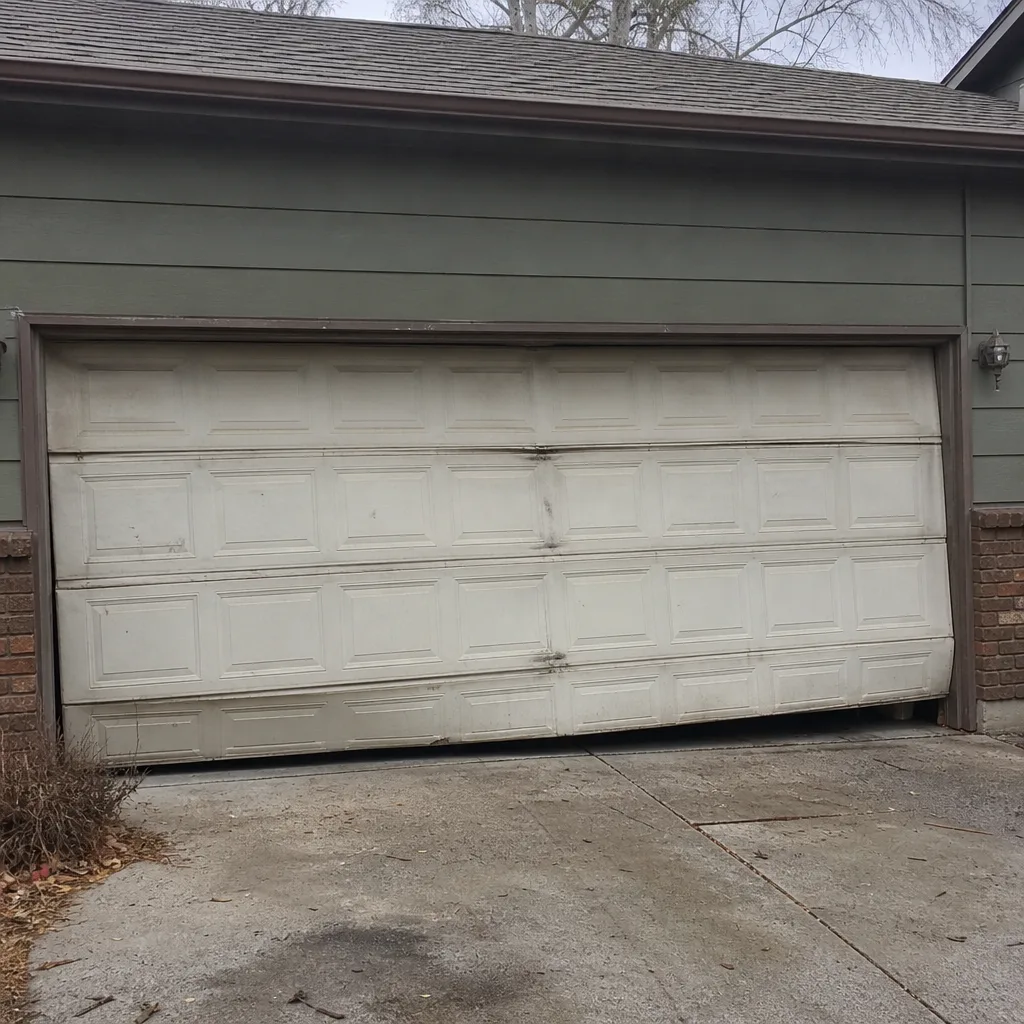 Before
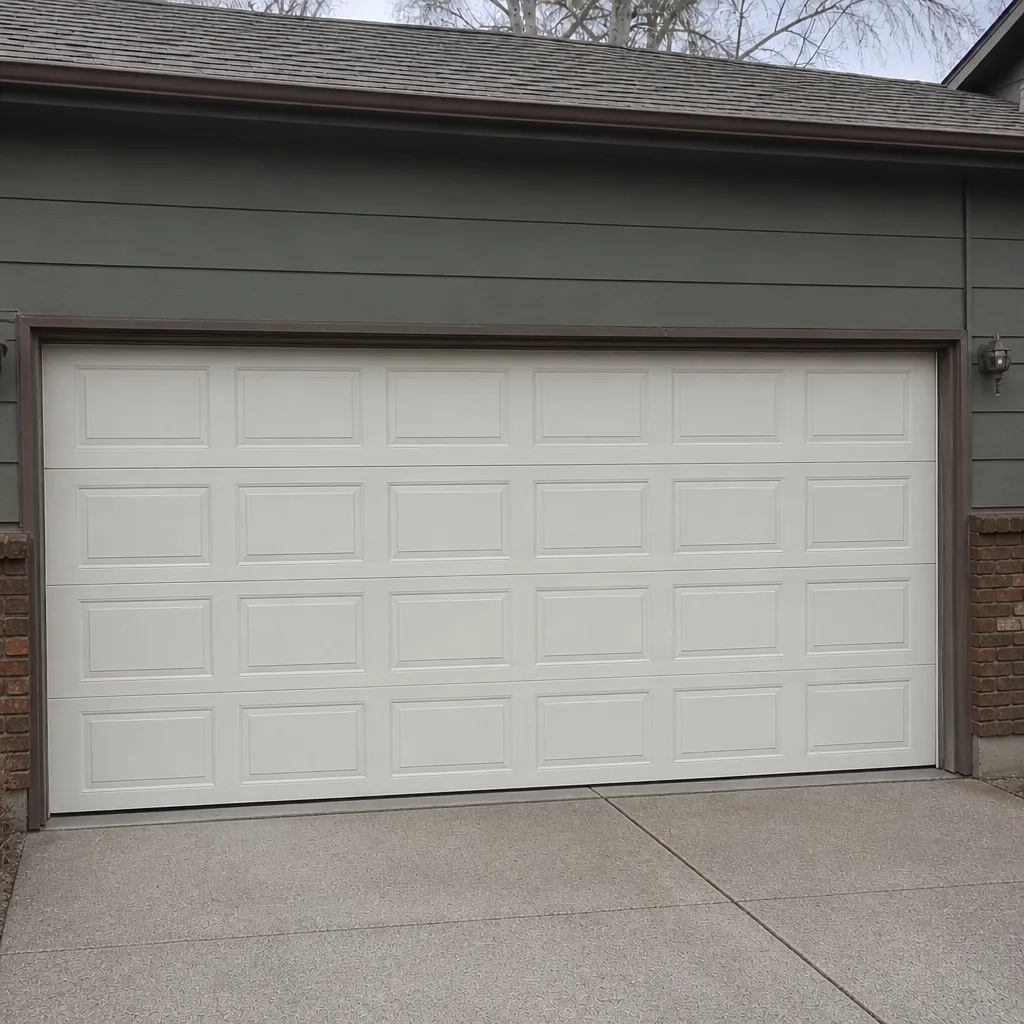 After
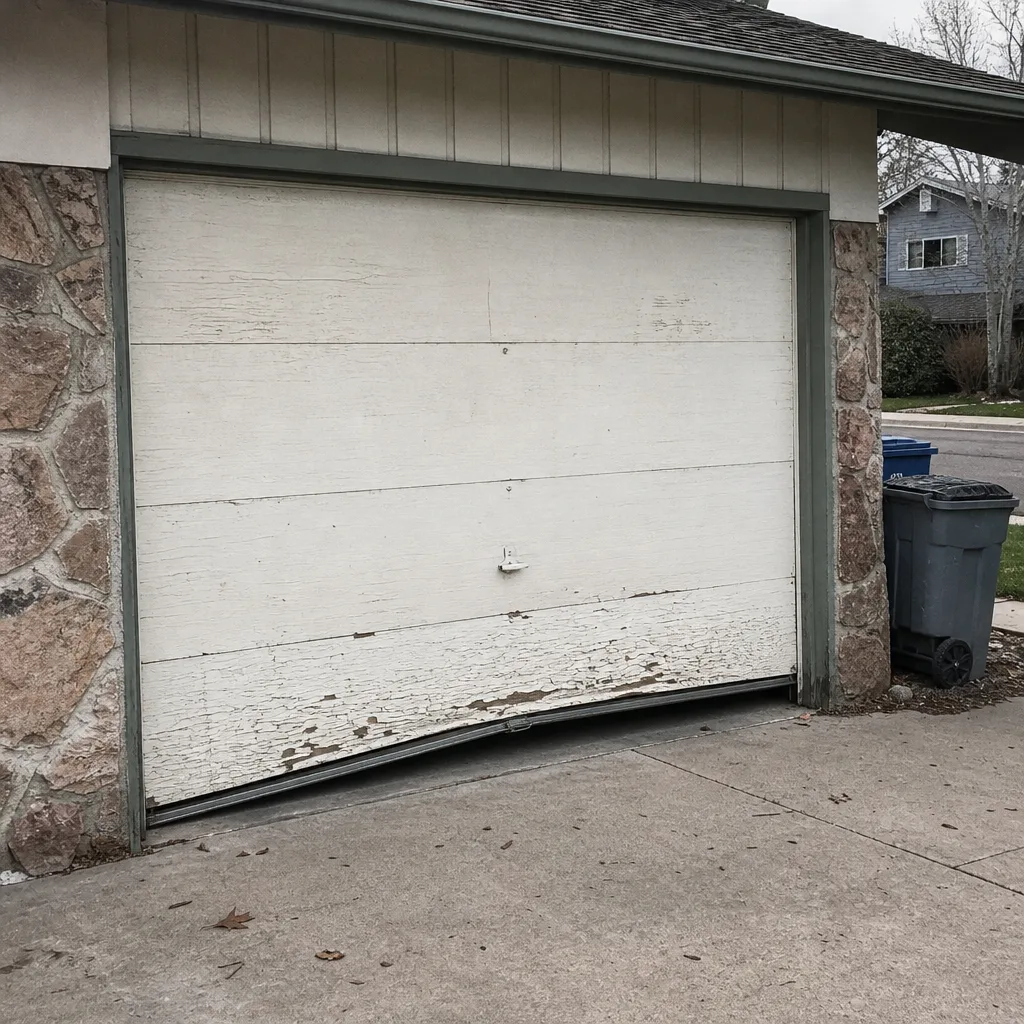 Before
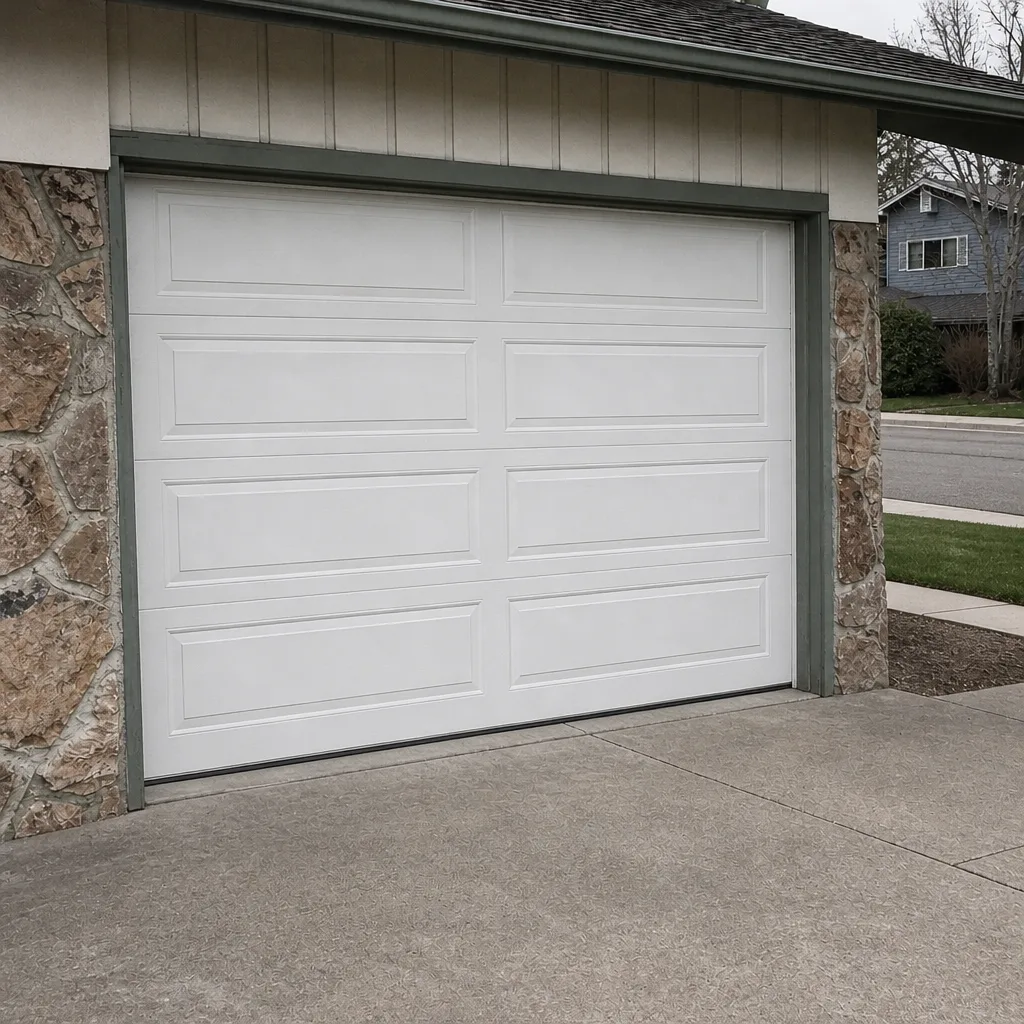 After
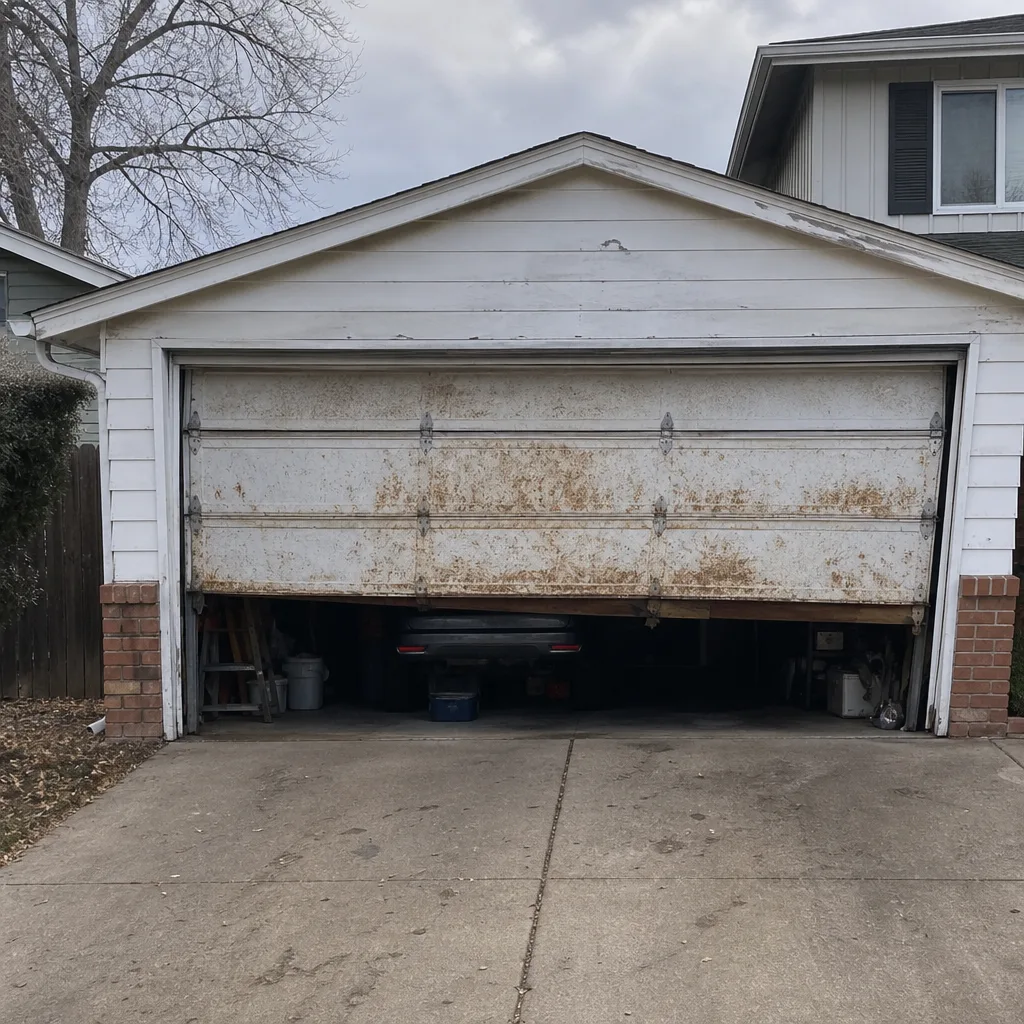 Before
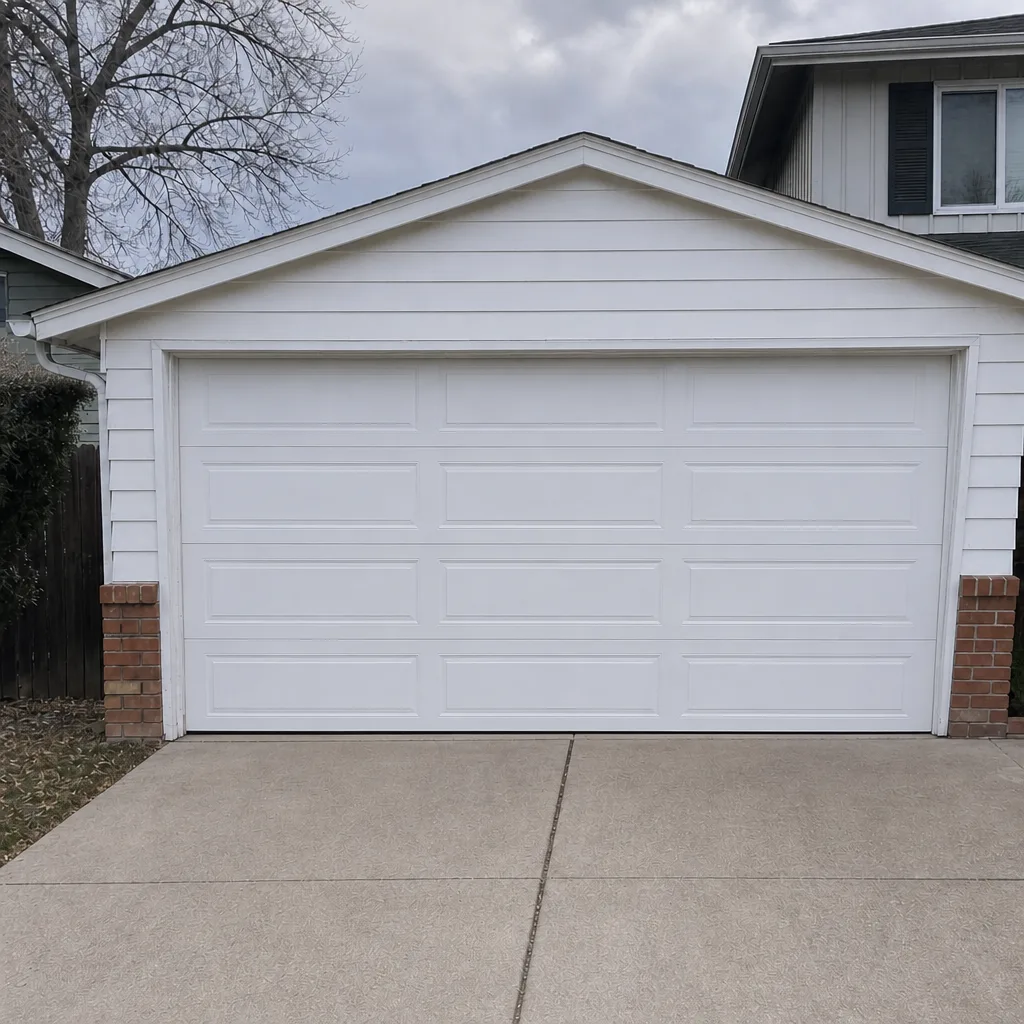 After
When to Call a Professional
Some garage door problems are a nuisance. Some are a safety matter. Springs under tension can cause serious injury, and a door that’s off its track or hanging unevenly can fall. If the door is stuck open, the spring has visibly broken, the cables are slack or tangled, or the opener is making grinding noises and the door isn’t moving, stop operating it and call a technician. Electrical work on opener circuits and adjustments to spring tension belong to a trained professional. If the door is simply getting old, or you’re planning a replacement for spring, that’s a scheduled project, and a measurement visit and written quote come first. Boulder Garage Door Service offers free estimates in Boulder – call (855) 683-6002. We answer 24/7. Fast dispatch from 7am to 7pm, Sunday through Friday.
Frequently Asked Questions
Garage door replacement in Boulder typically runs $1,800 to $4,500 for a single-car door and $2,800 to $6,500 for a double, depending on material and insulation. Those ranges are estimates for the Boulder market; your written quote sets the final price. Call (855) 683-6002 for a free, itemized estimate.
Boulder costs run higher than Denver-area figures because of freelance, local permit fees, and a tighter skilled-trade labor market. Materials shipped to a mountain-adjacent market carry freight costs that Front Range warehouses absorb differently. Expect a quote in the higher band, and ask for the line items that explain it. Call (855) 683-6002 for a quote you can read line by line.
Same-day repair is often possible for springs, cables, and opener issues, depending on the day’s schedule. Same-day replacement is not, because installation is a measured, ordered, and scheduled job. Call (855) 683-6002 to check availability. We answer 24/7. A call outside dispatch hours is booked into the next opening, Sunday through Friday, 7am to 7pm.
No. The written estimate is the price, agreed before any work starts. If the scope changes after the technician arrives because of something the initial quote couldn’t have seen, that’s a conversation before the change is made, not a line on the invoice. Call (855) 683-6002 for an estimate.
That depends on the scope of the work, and Boulder’s building department is the authoritative source for your address. Most cities require a permit when the job involves structural or framing changes or an electrical change to the opener circuit; simple like-for-like replacement may or may not. Ask the building department directly, then ask your contractor to reflect the answer in the quote. Call (855) 683-6002 if you’d like help framing the question.
Yes. Technicians are state-licensed and insured, and they’re experienced across the major door and opener brands, including LiftMaster, Chamberlain, Genie, Clopay, Amarr, Wayne Dalton, Craftsman, and Raynor. Our technicians have up to 9 years of experience. Call (855) 683-6002 to talk through your job.
The Bottom Line
Boulder garage door costs run higher than the national figures most guides cite, and the gap is explainable: local labor, freight to a mountain-adjacent market, and permit fees that don’t match neighboring cities. Replacement runs roughly $1,800 to $4,500 for a single-car door and $2,800 to $6,500 for a double; springs run $180 to $340 per spring, and openers $350 to $750 installed. The written, itemized quote is the price, agreed before work starts. Read the line items, confirm the permit question with the building department, and don’t accept a verbal number. The rest is a matter of matching the job to the right specialist.
Contact
If you’ve got a quote in hand that you’d like a second read on, or you’re ready to schedule a free estimate, call Boulder Garage Door Service at (855) 683-6002. We answer 24/7. Fast dispatch from 7am to 7pm, Sunday through Friday. We handle garage door opener repair and full door work for Boulder homeowners, with a written price agreed before any work begins. Free estimates, no obligation, and a straight answer about what your door actually needs.
Written by the team at Boulder Garage Door Service.