
Last updated November 15, 2026
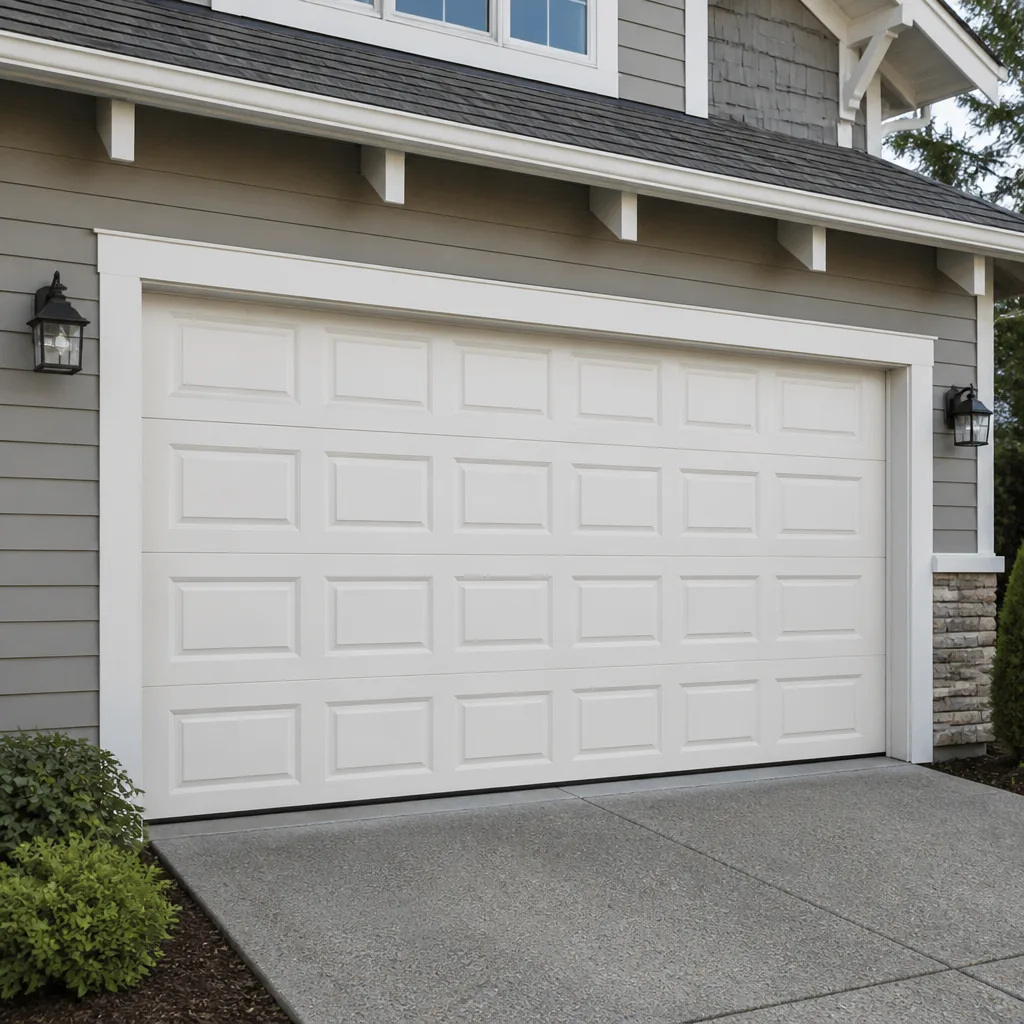 Raised-panel steel
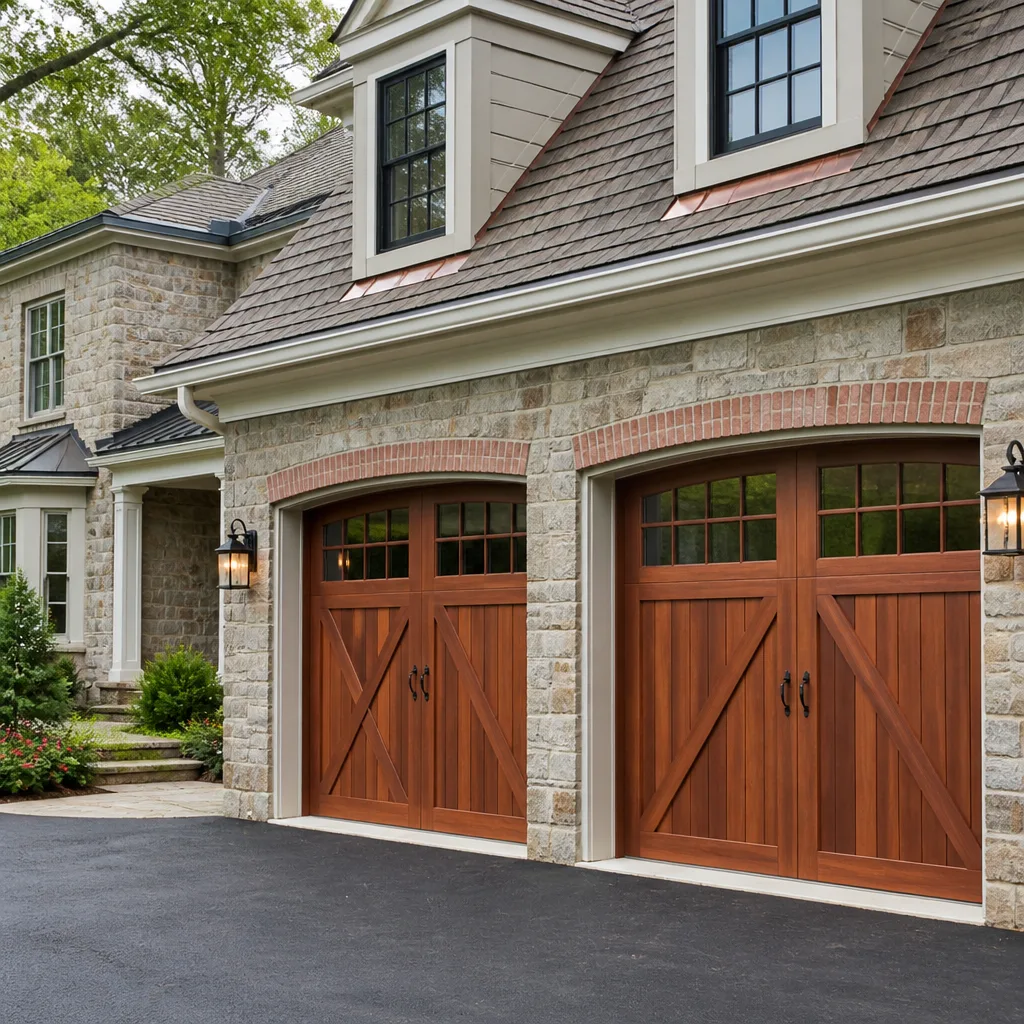 Carriage house
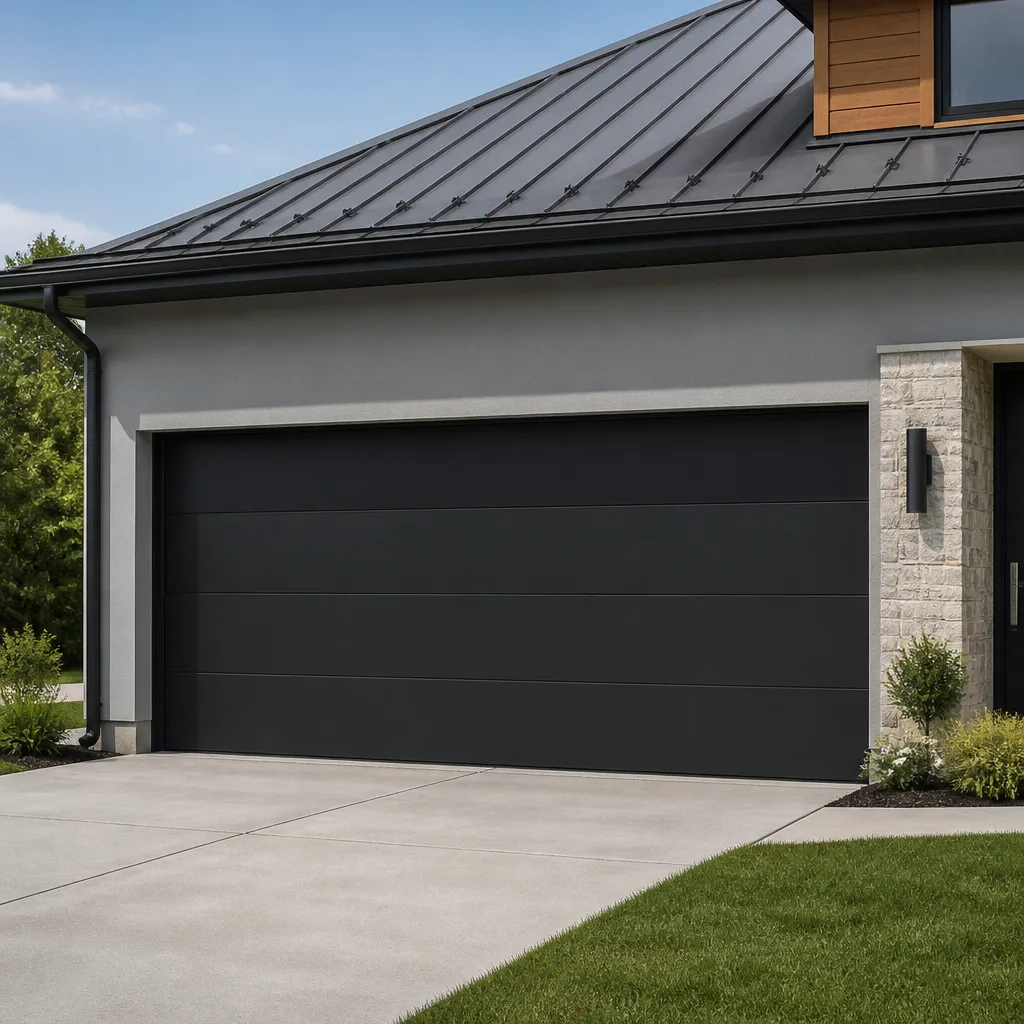 Modern flush
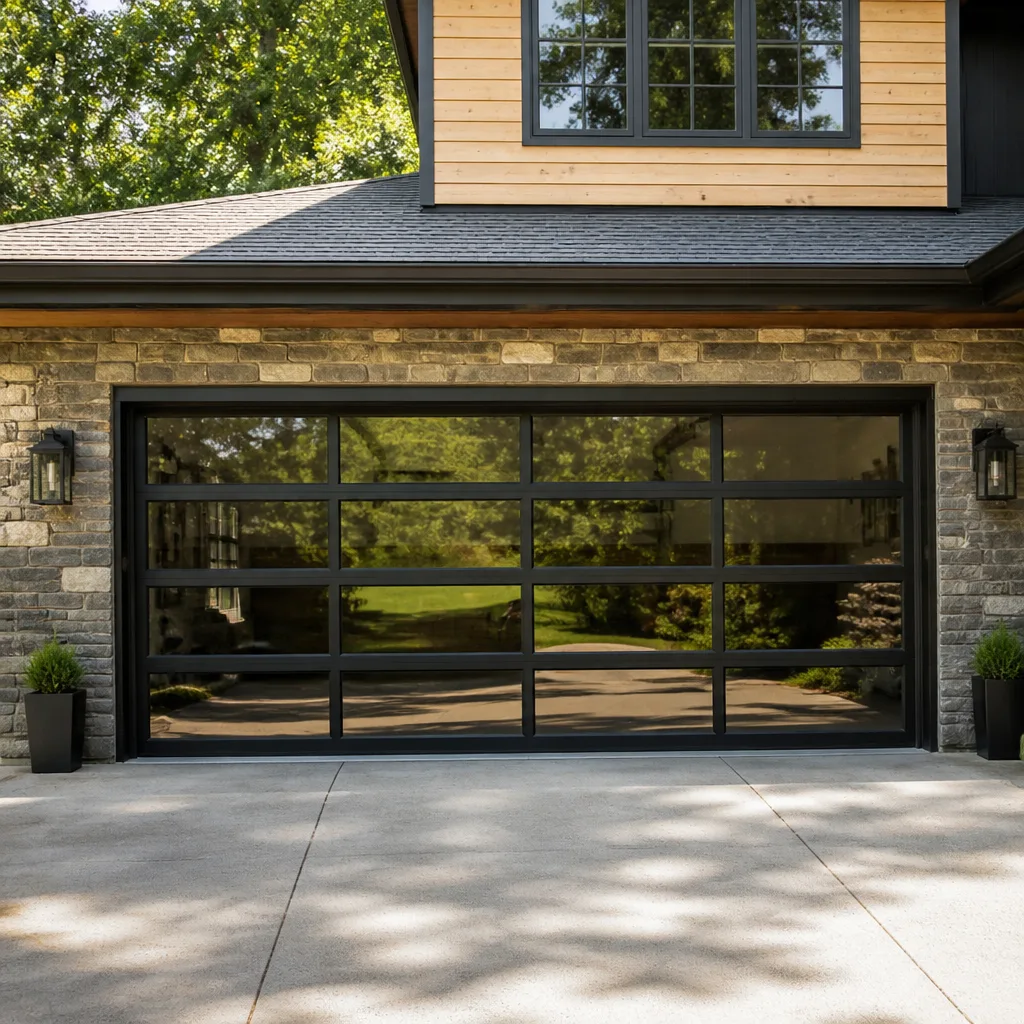 Full-view glass
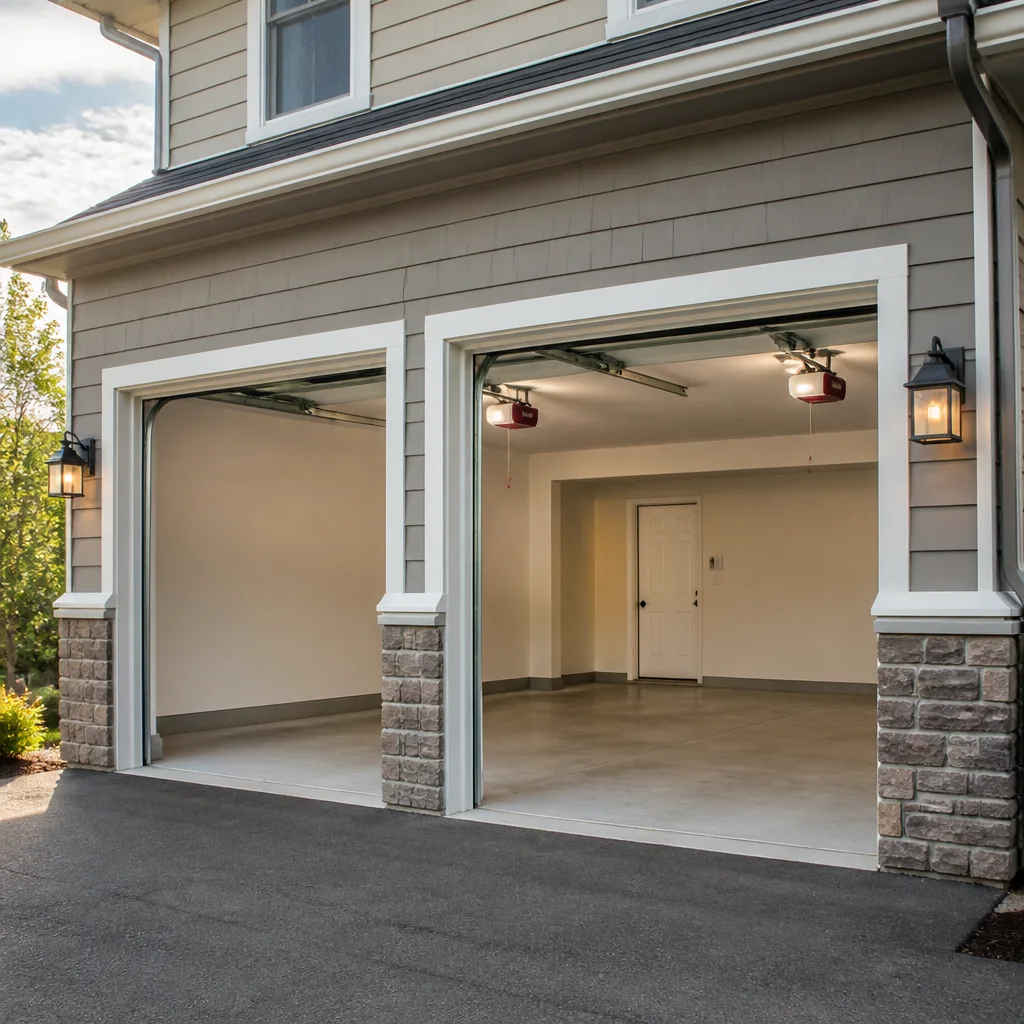 LiftMaster openers
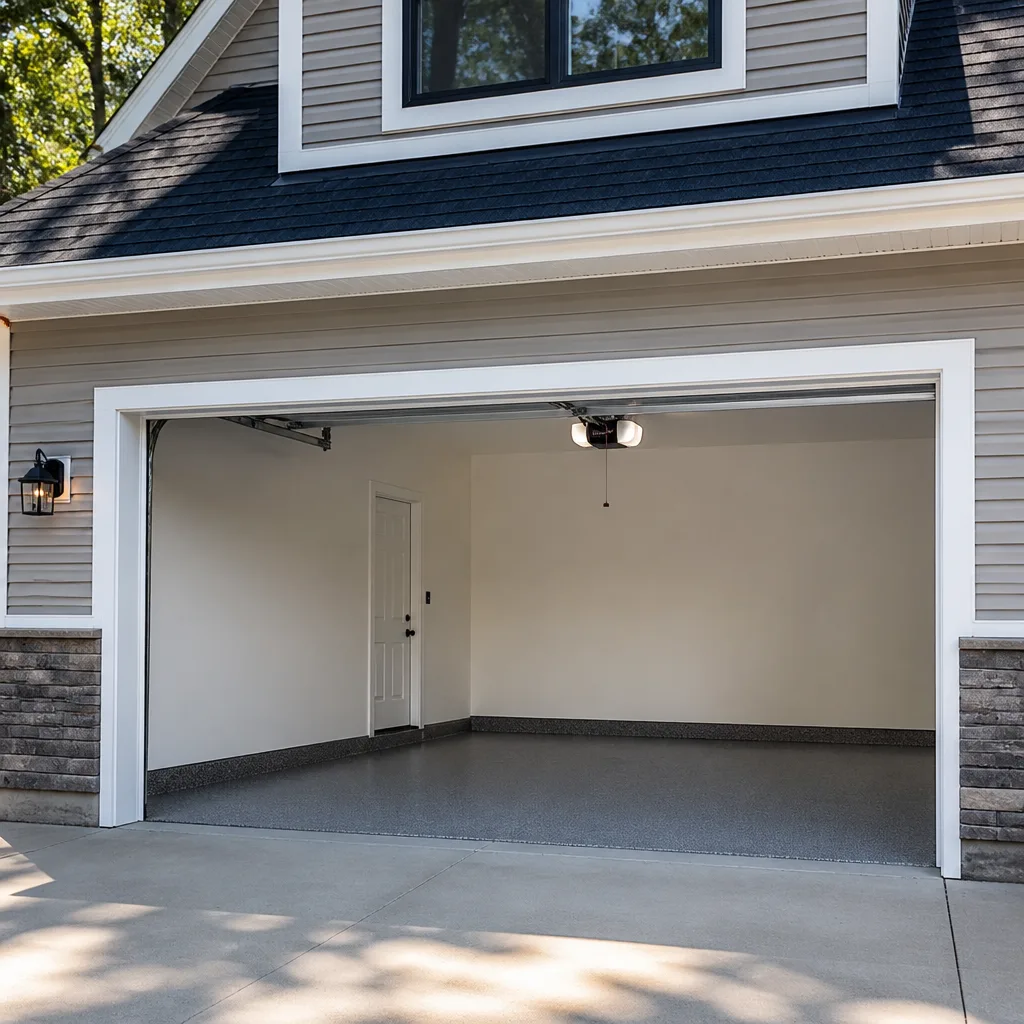 Chamberlain openers
Full 25-point door and opener safety check with every visit - springs, cables, rollers, tracks, and your LiftMaster or Chamberlain opener included
You get a price before we start. It does not change when the pro arrives.
Get your free estimateGarage Door Permits, Codes & Inspections in Boulder, CO: What You Need to Know
Most Boulder homeowners assume a garage door is a garage door and that a simple swap needs no paperwork. That assumption is where trouble starts. The permit rules here aren’t one set of rules: what counts as a permit-worthy replacement on one street can fall under a different authority a few minutes away, and a contractor who treats every job the same way can leave you with work that fails an inspection at the worst possible moment, usually during a home sale. This guide breaks down exactly when a permit is required in the City of Boulder versus unincorporated Boulder County, which portals handle each process, what inspectors actually look at, how HOA approval fits in, and where code compliance still applies even when no permit is needed.
Quick Answer
In Boulder, a permit is generally required for structural changes to a garage door opening and for full door replacements that alter the structure or size, while a straight replacement-in-kind of a door with the same dimensions often does not need one. Opener-only swaps are typically permit-exempt. The catch is jurisdiction: the City of Boulder and unincorporated Boulder County run separate permit processes, so the first thing to confirm is which authority governs your address. When in doubt, call the City of Boulder’s building department or Boulder County’s Community Planning & Permitting office before any work begins. A free measure and a written estimate from us starts that conversation with the right questions.
Styles & brands we work with
- Raised-panel steel
- Carriage house
- Modern flush
- Full-view glass
- LiftMaster openers
- Chamberlain openers
Table of Contents
- When does a garage door project need a permit in Boulder?
- City of Boulder vs. Boulder County: which permit process applies?
- Which portals to use and how long approvals take
- What a garage door inspection actually checks
- How HOA approval and city permits interact
- “No permit required” doesn’t mean anything goes
- Boulder climate and code: why the details matter here
- Frequently asked questions
When does a garage door project need a permit in Boulder?
The short version: same-size replacement usually doesn’t, and anything that changes the structure usually does. That’s the principle to hold onto. Boulder’s permit rules for garage doors aren’t written around the door itself as much as the opening, the header, and the structural frame. A door that comes out and goes back at identical dimensions is handled differently than a job that widens an opening, changes the header above it, or replaces a door with a different wind-load profile.
The clearest way to think about it is by category:
- Replacement-in-kind: Same dimensions, same structural footprint, comparable door type. Often exempt from a building permit, but the door still has to comply with the applicable code for the assembly. Ask the local building department to confirm for your specific address.
- Structural change: Widening the opening, altering the header, changing a track system’s mounting, or replacing a door with a significantly heavier unit that changes how the structure is loaded. Permit territory.
- Opener-only swap: Replacing or repairing a Genie, LiftMaster, Chamberlain, or similar unit without touching the door structure. Typically no building permit, though electrical work at the outlet or wiring should still follow your city’s electrical rules.
- New door installation on a new opening: Always permitted as part of the larger construction scope.
Where homeowners get confused is the difference between “this doesn’t need a permit” and “this doesn’t need to follow the code.” A same-size replacement of a Clopay or Amarr door still has to meet the code the assembly falls under, including safety glazing where applicable and the required safety features on the opener. If you’re not sure which category your project lands in, the safest call is to describe the project to the local building department and get a straight answer rather than assuming.
What about opener replacements and repair work?
Replacing a tired opener, repairing a broken gear, swapping a logic board, or adding a battery backup unit doesn’t typically trigger a building permit. That said, an opener is part of a larger system, and its installation has to meet code on balance, photo-eye safety reversal, and force sensing. This is the category where we most often get asked about permits, and the honest answer is that a properly installed opener still needs to meet the same code requirements the manufacturer and the local authority expect, permit or no permit.
City of Boulder vs. Boulder County: which permit process applies?
Which jurisdiction you fall under is decided by your address, not by which side of a street looks more “Boulder.” Properties inside city limits go through the City of Boulder. Properties in unincorporated Boulder County go through Boulder County Community Planning & Permitting. And there are plenty of homes in neighborhoods like Gunbarrel, Niwot, and the edges around Marshall that trip people up, because the address is in a Boulder ZIP code but the property is governed by the county.
This split is the single most common reason permit questions turn into permit problems. A contractor local to Boulder might do excellent work, but if they go to the wrong portal with the wrong scope description, the permit is either filed incorrectly or filed where it doesn’t belong, and the inspection fails through no fault of the door itself.
Here’s how to confirm which applies:
- Look at your property record. Your county assessor’s record tells you whether the address is in city limits or unincorporated county.
- If you’re inside city limits, the City of Boulder’s building department is your permitting authority.
- If you’re unincorporated, Boulder County Community Planning & Permitting handles it.
- If you’re still unsure, call the authority and describe the project. This takes five minutes and prevents weeks of backtracking.
We always ask the address first, before anything else, when a job involves a replacement. Knowing which entity is going to inspect the final work changes how we plan the job, the sequence, and the paperwork. It’s a step that’s easier to do at the front end than to correct later.
A related consideration: even inside city limits, some properties carry deed restrictions or historical considerations that add another layer to what can be changed. We treat the permitting authority and any additional overlays as separate checks so nothing gets assumed. For a broader look at the overall Boulder picture, that context is worth reading before you commit to a specific door model.
Which portals to use and how long approvals take
The City of Boulder and Boulder County each operate their own online permitting portals. Both accept online applications, and both expect the applicant to upload plans or documentation when the scope goes beyond a simple swap. Which portal you use depends entirely on the jurisdiction we just covered: there’s no single “Boulder garage door” portal.
The practical points that matter for scheduling:
- Both authorities accept online permit applications. Paperwork doesn’t need to be walked in for most straightforward scope.
- Turnaround varies with the scope. A simple replacement-in-kind with no structural element may not require review at all. A structural alteration, a header change, or a new door in a new opening runs through a plan review that can take longer than the measuring and ordering itself.
- The clock starts when the package is complete. Missing documents or unclear scope descriptions are the most common cause of delay. Submit with the exact door spec and any structural detail up front.
- Inspection scheduling is separate from permit issuance. Once the permit is approved and the work is done, the inspection is a distinct appointment.
For any job that requires a permit, plan the schedule around the review, not the other way around. That’s not a sales pitch; it’s just what the timeline looks like. If you’re building toward a full Boulder Garage Door Service replacement in a defined timeframe (a sale, a remodel, or replacing a Wayne Dalton door that’s structurally failing), the permit clock is what defines the schedule. We handle the measure and the written price up front so the scope that goes to the authority is exactly what gets installed.
If the project is a repair rather than a replacement, the permit conversation usually doesn’t apply, and garage door repair can proceed on a same-day basis when it’s within dispatch hours and the parts match your existing setup.
What a garage door inspection actually checks
An inspection is not a check for whether the door looks nice. It’s a structural and safety review of the assembly. If you’ve been told “it’ll probably pass,” that’s a sign to look at what the inspector is actually confirming. Here’s what we see across the inspections that matter most in Boulder:
- Header and framing integrity. The inspector checks that the structure above the opening carries the load the door and its hardware introduce, and that the track mounting is sound where it attaches to the frame.
- Track alignment and mounting. Tracks correctly plumb, level, and securely fastened. Misaligned track after an install is a common failure that has nothing to do with door quality.
- Spring and cable safety. High-tension springs and cables are checked for proper installation and containment. This is the part of a garage door that can seriously injure someone if it fails, which is exactly why we don’t walk homeowners through doing this themselves. Cable and spring work belongs with a trained technician.
- Safety reversal. The opener must reverse when the safety system detects an obstruction. Photo-eye alignment and response are checked on every opener type we service, LiftMaster, Chamberlain, Genie, Craftsman, and the rest.
- Force limiting. The door’s close force must be within spec so it doesn’t force through an object in its path.
- Emergency release function. The manual release must work correctly and remain accessible.
- Glazing and panel condition where relevant. If the door has windows near the floor, the safety glazing requirements apply and the assembly must match.
What causes most failures isn’t the door itself. It’s track alignment after installation, a safety system knocked out of alignment, a missing or mislabeled component, or an opener installed with its force set too high. All of those are install-quality issues and are avoidable with a careful technician and a real diagnostic step before any parts get swapped. That’s the whole point of doing a garage door opener repair or an installation with someone who knows the specific equipment, rather than a general handyman guessing at the setup.
How HOA approval and city permits interact
Getting a permit does not mean you have HOA approval, and getting HOA approval does not mean you have a permit. They’re two separate processes controlled by two separate bodies, and plenty of Boulder-area HOAs have architectural review requirements that a city permit won’t satisfy. If you’re replacing a door and the new door changes the profile, color, window config, or material, the HOA is often the more restrictive of the two.
The sequence that avoids trouble:
- Check the HOA’s architectural review requirements before you order a door.
- Submit the door specification (model, color, glass, hardware) to the HOA for written approval if the governing documents require it.
- Submit the building permit application with the same specification to the correct authority (city or county).
- Keep both approvals on file. When you sell, the buyer’s inspection will look for both.
HOAs in Boulder County frequently have guidelines about visible door color, window style, and whether the door must match the surrounding units. A Clopay or Amarr model you love might need HOA sign-off before it can go in. The number of HOAs in the area that require this is high enough that we ask about it on the front end of any replacement conversation, not after the door is ordered.
Also worth knowing: some HOA governing documents have requirements that go beyond what the city or county inspects. An inspector isn’t checking HOA color compliance. That’s a separate signature on a separate form, and the HOA can require you to remove and replace a door even if the city permit was perfectly valid.
“No permit required” doesn’t mean anything goes
This is the point most guides skip. A permit-exempt replacement still has to comply with the applicable building code, and the exemption only covers the permit requirement, not the construction standard. The safety reversal system still has to work. The spring and cable assembly still has to be correctly installed. The glazing still has to meet the safety requirements where they apply.
The situations where this hits hardest:
- Opener replacement. No building permit, but installation still has to meet code on safety reversal and force limiting. A Craftsman opener pulled from a big-box shelf and installed without checking those settings can fail a safety review later.
- Panel and section replacement. Swapping a section doesn’t usually need a permit, but the resulting door assembly must still function as a compliant assembly, with all tracks, hinges, and rollers in the correct configuration.
- Spring and cable work. No permit, but serious injury risk. High-tension springs are under enough stored force that a mistake can break a bone. This is the single biggest reason we insist homeowners don’t attempt spring or cable work themselves and instead call a trained professional.
- Smart opener installs. Modern LiftMaster, Chamberlain, and Genie systems connect to your home network. No permit for the connectivity, but the door’s mechanical and safety behavior still has to meet code.
We approach every “no permit” job the same way we approach a permitted one: diagnosis first, correct parts second, install to the standard the code expects. A replacement that skips the permit process is cheaper up front and more expensive at resale if any part of the assembly doesn’t hold up to the inspection standard.
Boulder climate and code: why the details matter here
Boulder’s freeze-thaw swings are hard on a garage door assembly, and they’re the reason inspectors look closely at hardware condition even on a permit-free job. The door on a north-facing Boulder garage sees wide temperature swings between winter nights and sunny afternoons, and metal components expand and contract with it. Tracks loosen over time. Hinges wear. Springs lose tension unevenly. The door that passed on day one may drift out of alignment by the following spring, and if the safety reversal was marginal to start with, the drift shows up as a failure.
That’s why we don’t treat code compliance as a one-time event. The door and opener still have to be where they need to be months later. In our experience across Boulder, the installations that hold up are the ones where the tracks were set correctly, the springs were matched to the door weight, and the safety settings were verified after installation, not assumed. A cold snap in the Flatirons and foothills areas does a very efficient job of finding the marginal installs.
Two practical consequences for a Boulder install:
- Door weight and spring matching matter more here than in mild climates. A spring that was incorrectly matched on installation can lose its tension faster under temperature cycling. The correct match is part of a compliant install.
- Safety reversal should be checked after a cold snap or any significant adjustment. The photo-eye alignment that was perfect in July can be off by December. This is a quick check, and it’s worth asking us to look at it once heating season starts.
If your door has developed a shudder, a hard slam at close, or a hesitation reversing off the floor, that’s a sign the safety system needs a diagnostic visit before it becomes an inspection failure or worse. Calling us at (855) 683-6002 gets a technician out with the right diagnostic tools for the brand you already own. We answer 24/7. Fast dispatch from 7am to 7pm, Sunday through Friday.
See the difference
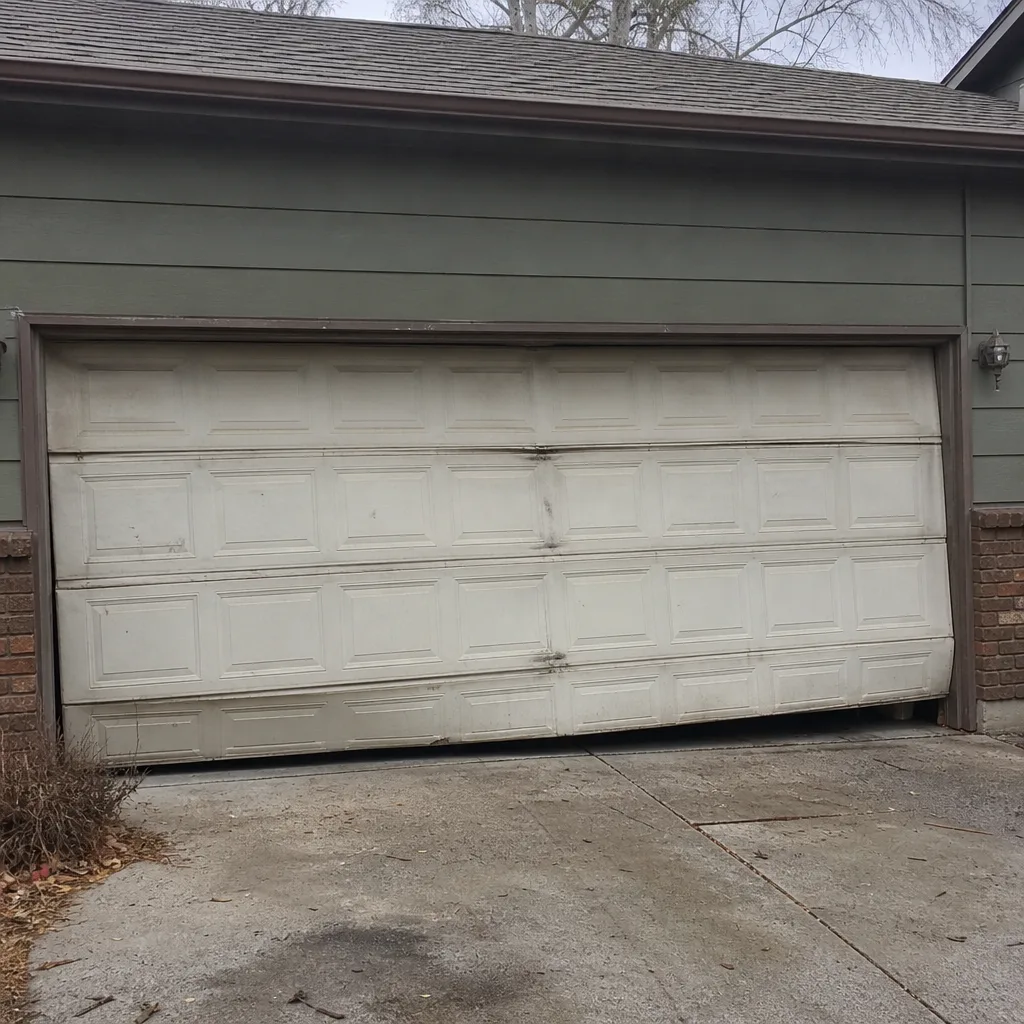 Before
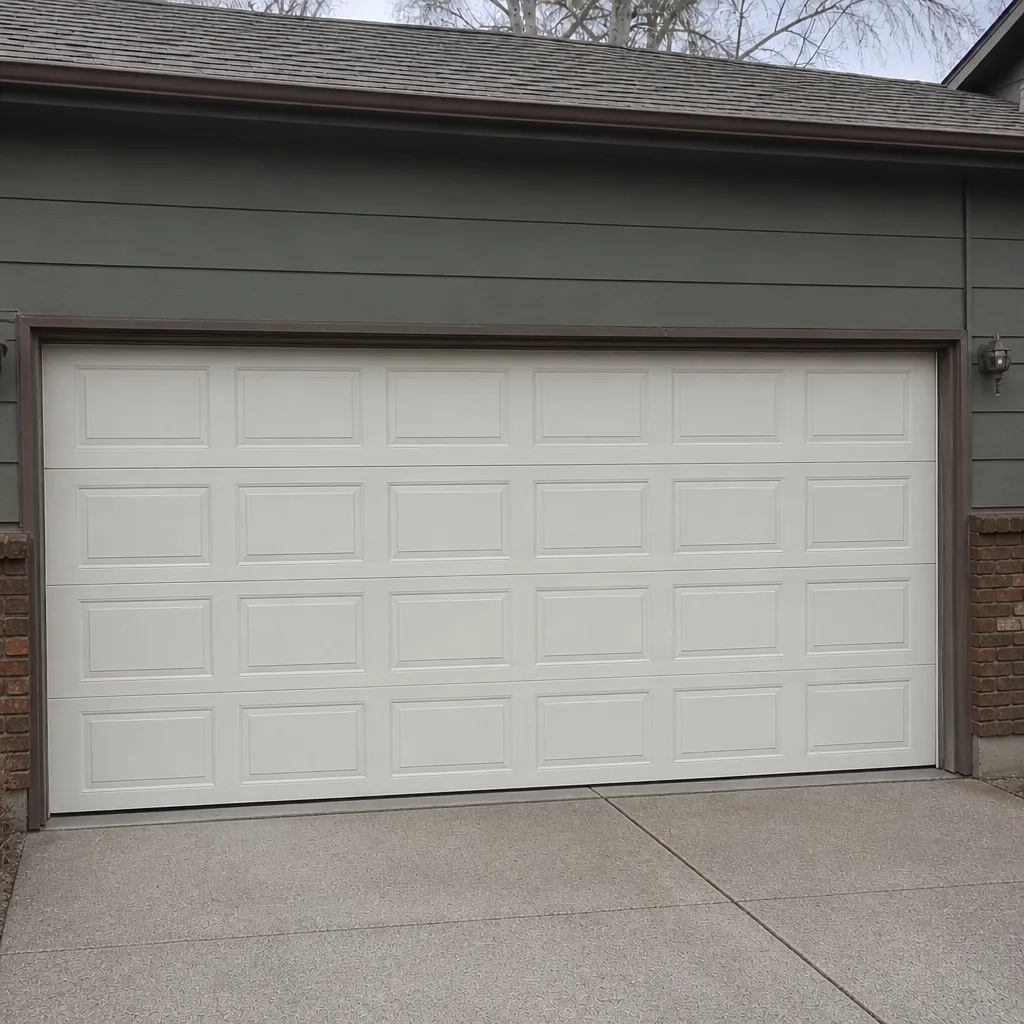 After
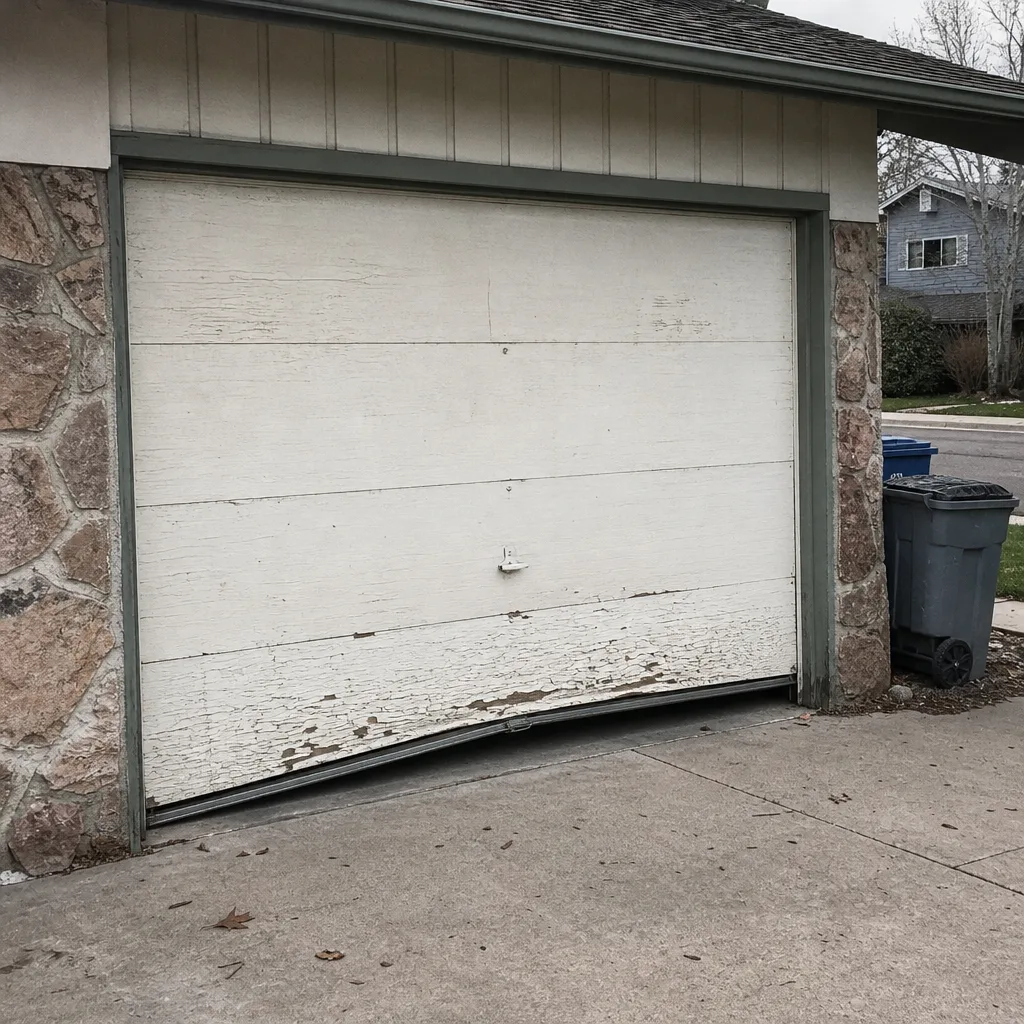 Before
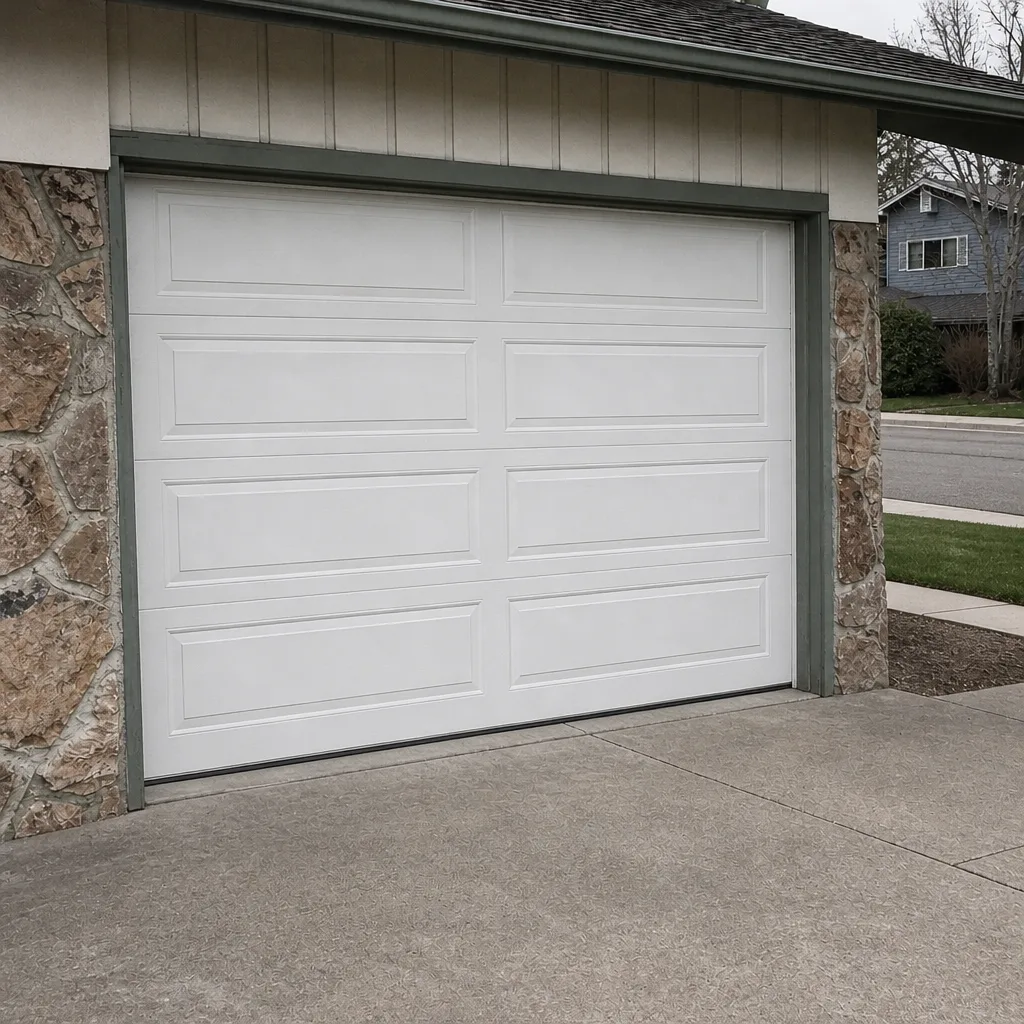 After
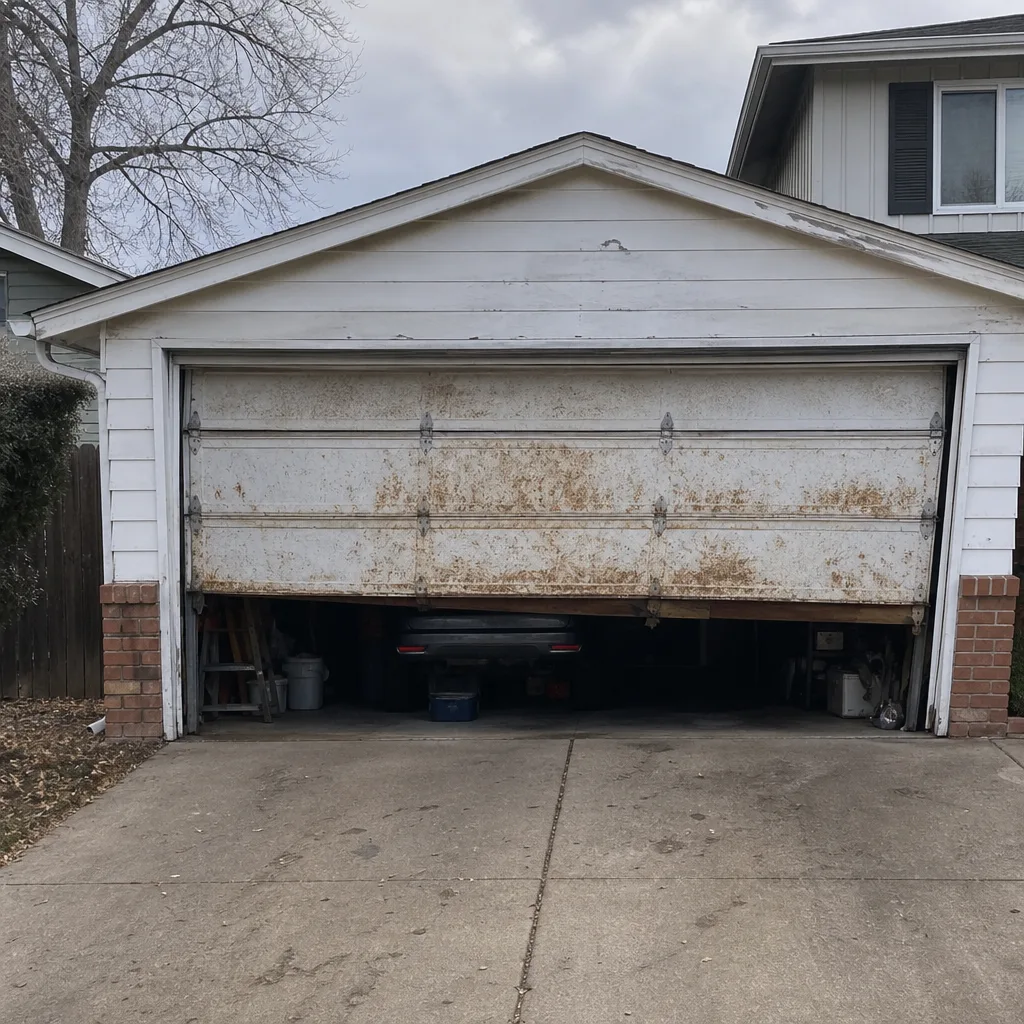 Before
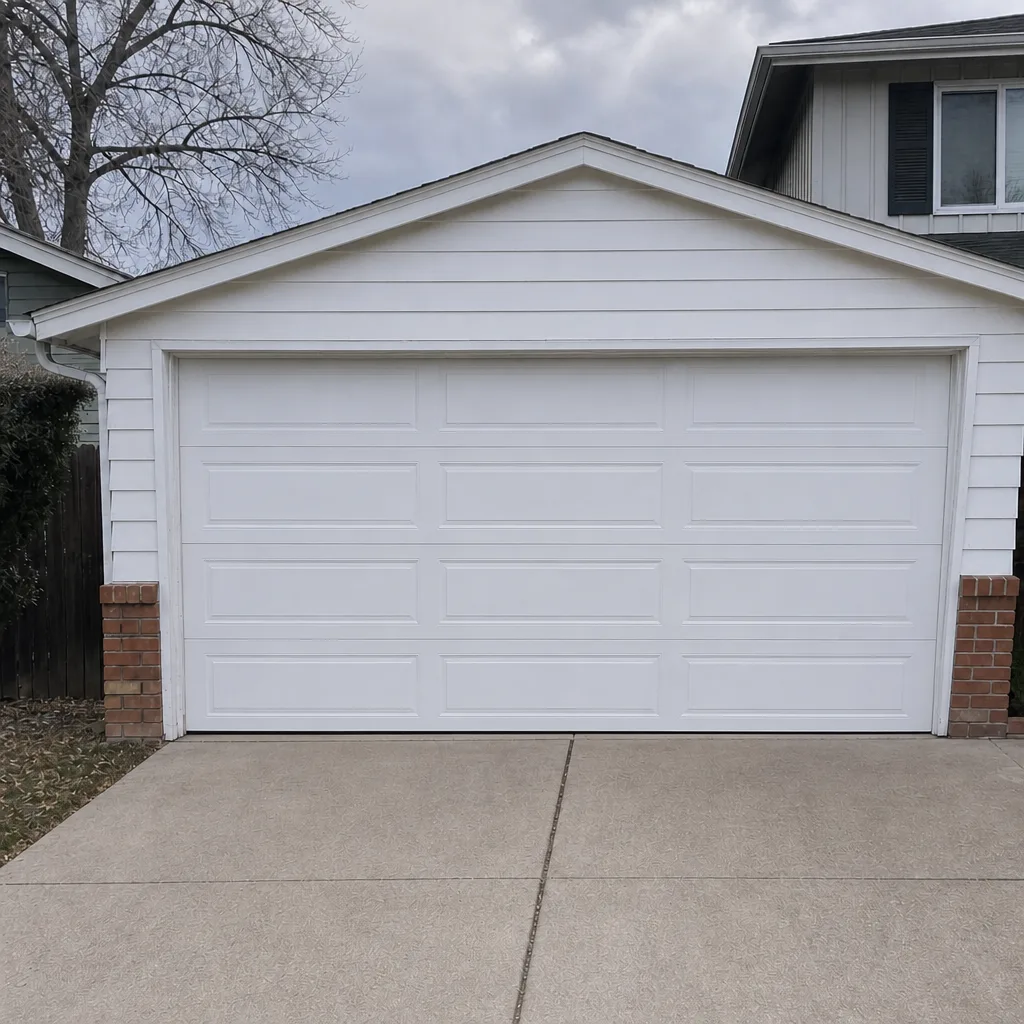 After
Common Mistakes to Avoid
- Assuming a big-box installer handles permits. Many don’t. Confirm in writing who is pulling the permit and under whose jurisdiction before any door is ordered.
- Filing in the wrong portal. Using the City of Boulder portal for a Gunbarrel or Niwot address wastes weeks and produces an inspection that never applies to your property. Check the property record first.
- Treating HOA approval as the same as a permit. They’re separate. An HOA sign-off on a door color doesn’t substitute for a building permit on a structural change.
- Skipping the safety check after installation. Safety reversal, force limiting, and emergency release each need to be verified after the door is in place. A permit-exempt replacement still needs this.
- Attempting spring or cable work yourself. This is the one part of a garage door we actively warn homeowners away from. High-tension springs and cables can seriously injure you if they release unexpectedly. Call a trained professional instead.
- Overlooking the door weight change. Going from a lighter door to a heavier one without confirming the spring and opener can handle it is a common post-remodel problem, and it shows up on inspection.
- Not keeping the paperwork. When the property sells, the buyer’s inspector looks for permit documentation and HOA approval. A missing permit on the record costs more to remediate than the permit would have cost.
When to Call a Professional
Call us before you sign anything if a contractor says “we’ll handle the permit later,” if your project involves widening the opening or changing the header, or if you’re not sure whether your address is inside city limits or unincorporated Boulder County. Call us if your opener is a Genie, LiftMaster, Chamberlain, or Craftsman and you want the safety settings verified after a replacement. Call us if a spring has snapped, a cable has frayed, or a door has started reversing irregularly off the floor. And call us if the last installer didn’t leave paperwork and you’re staring down a home inspection. We handle the measure, the diagnostic step, and the written price before any work starts. Boulder Garage Door Service offers free estimates in Boulder, call (855) 683-6002. We answer 24/7, with fast dispatch from 7am to 7pm, Sunday through Friday.
Frequently Asked Questions
A same-size replacement-in-kind often does not require a building permit in Boulder, but a structural change, a widened opening, or a door that alters the load on the header usually does. The answer depends on whether your address is in the City of Boulder or unincorporated Boulder County, because the two authorities run separate processes. Confirm with your building department before ordering. Call (855) 683-6002 for a free measure and a written estimate so the scope is clear before you file anything.
An opener replacement doesn’t typically require a building permit, but the installation still has to meet code on safety reversal, force limiting, and emergency release. Those requirements apply regardless of whether a permit was pulled. We verify all three on any opener we install, whether it’s a Genie, LiftMaster, Chamberlain, or Craftsman unit. Call (855) 683-6002 for an exact quote on diagnostics or replacement. Estimates are free.
The price is set by the written estimate. We quote the job based on what we find during the measure and diagnostic, and that written price is what you’ll pay for the agreed scope. If we find something that changes the scope, we discuss it before touching anything. Call (855) 683-6002 to schedule a free estimate. We answer 24/7. Fast dispatch from 7am to 7pm, Sunday through Friday.
Yes, often both apply, and they’re independent of each other. HOA architectural review covers visible appearance, color, and window style; a city or county permit covers the structural and code elements. Getting one doesn’t satisfy the other. We ask about HOA requirements at the front end of any replacement conversation because they frequently influence which Clopay or Amarr model is the right fit. Call (855) 683-6002 for help sorting out the order of approvals.
An inspector checks the header and framing, track alignment and mounting, spring and cable installation and containment, safety reversal response, force limiting, emergency release function, and glazing where applicable. Installation-quality issues like misaligned tracks and incorrectly set force limits cause more failures than the door itself. If you want a pre-inspection look at those items, call (855) 683-6002 for a free estimate. Estimates are free and the scope is agreed before any work starts.
Our technicians have up to 9 years of experience and are licensed and insured for residential garage door work. We specialize exclusively in garage doors and openers, not general contracting, so the diagnosis and the repair come from someone who works on your brand every week rather than a generalist guessing at your system. Call (855) 683-6002 for a free estimate in Boulder.
The Bottom Line
The Boulder garage door permit question comes down to three things: confirm which jurisdiction your address falls under, know whether your project is a replacement-in-kind or a structural change, and treat HOA approval as a separate step from the permit. A same-size swap with a correctly matched spring and a verified safety reversal is a safer, cheaper job than a structural change, and knowing which one you’re doing is what keeps the inspection clean when you sell. The climate here doesn’t let a marginal install stay marginal for long. We’re happy to help you get the scope, the brand, and the paperwork right from the start. Call (855) 683-6002 for a free estimate. We answer 24/7, with fast dispatch from 7am to 7pm, Sunday through Friday.
Written by the team at Boulder Garage Door Service.