
Last updated November 15, 2026
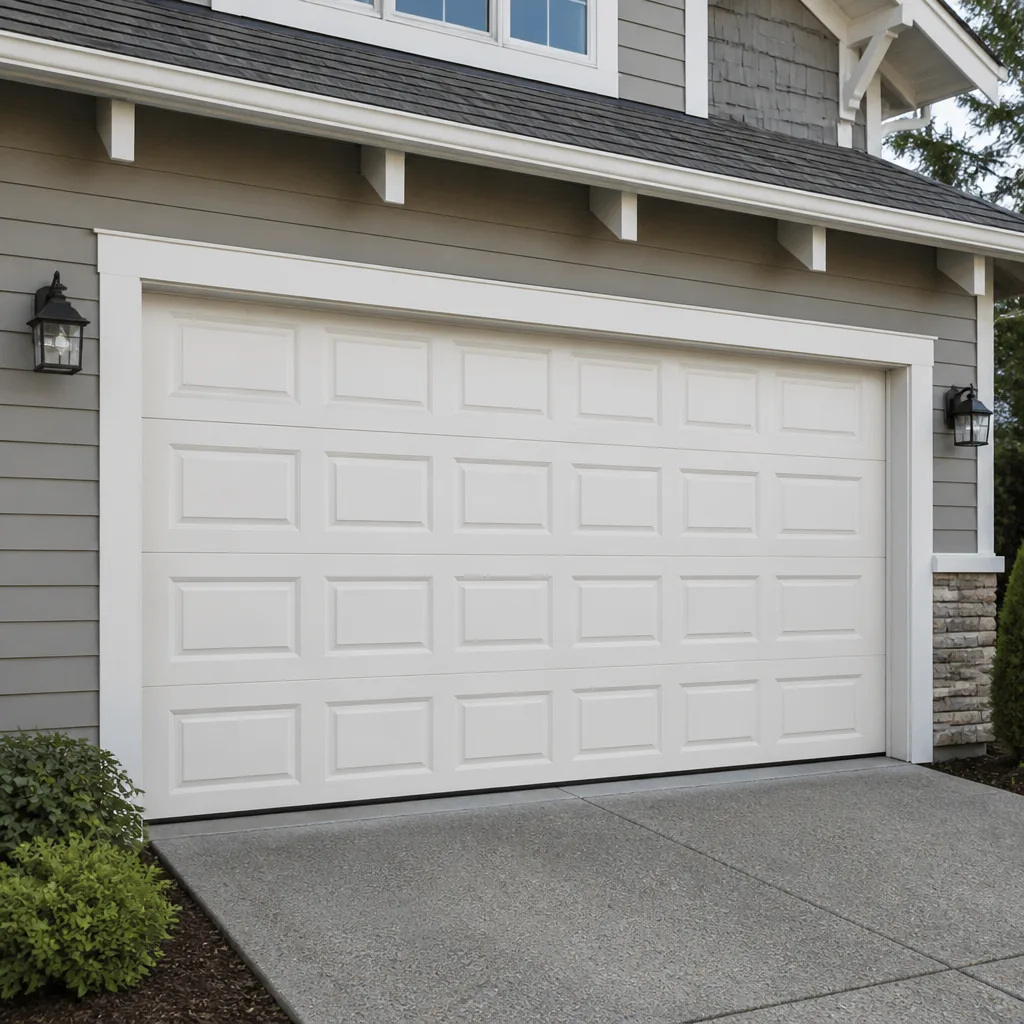 Raised-panel steel
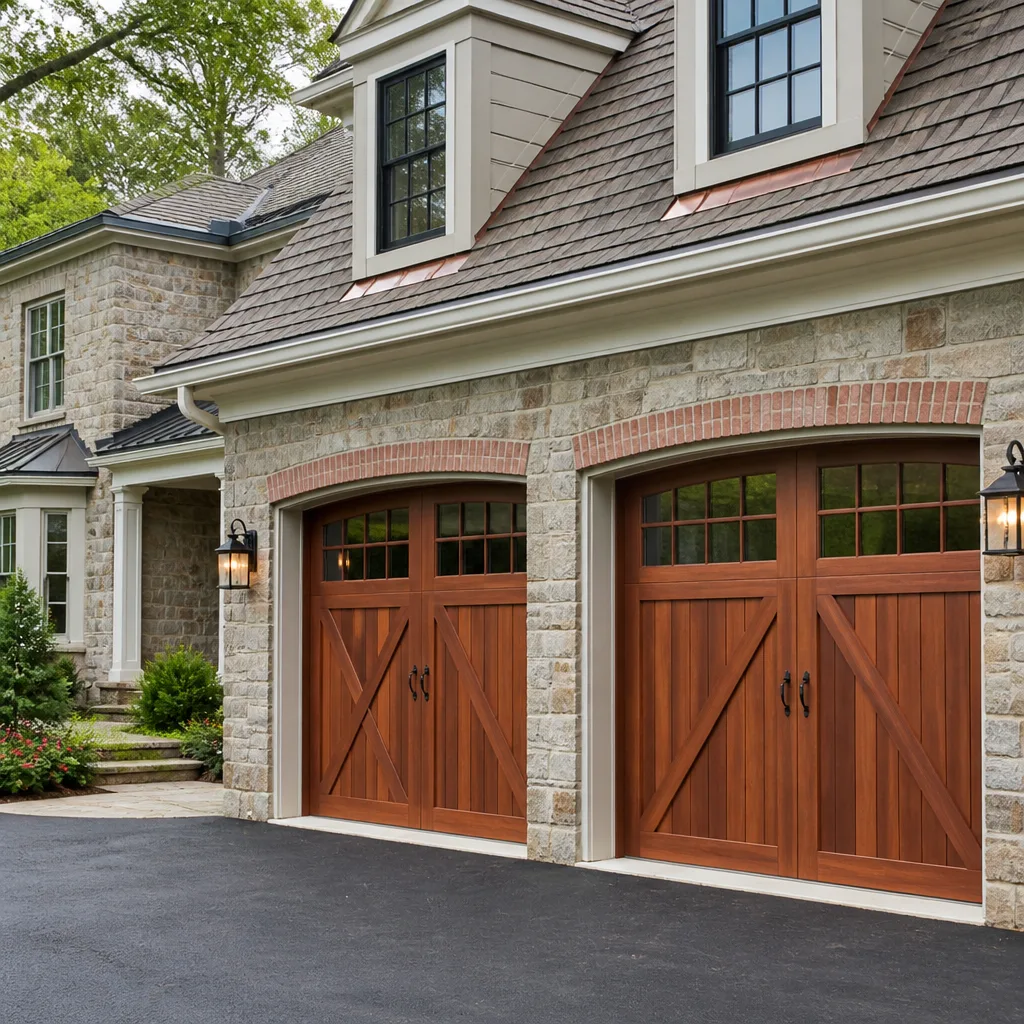 Carriage house
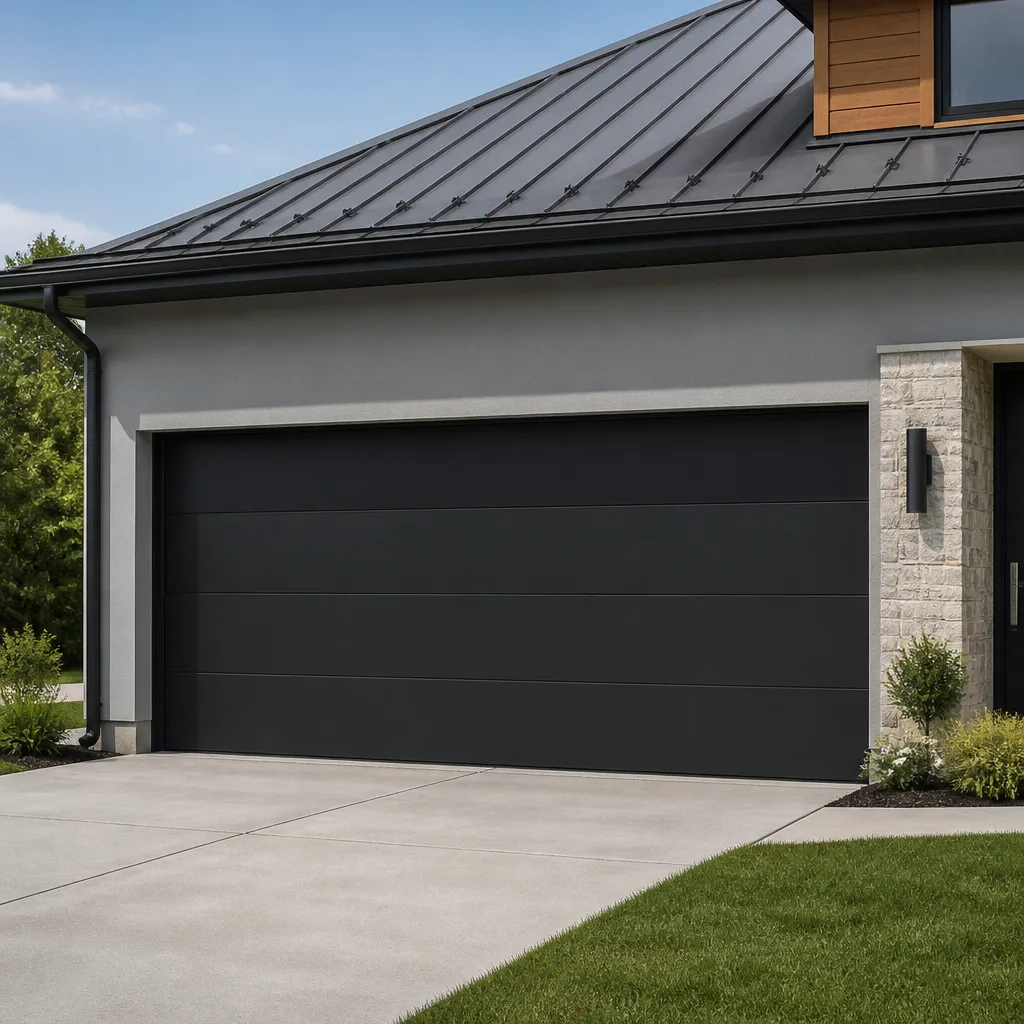 Modern flush
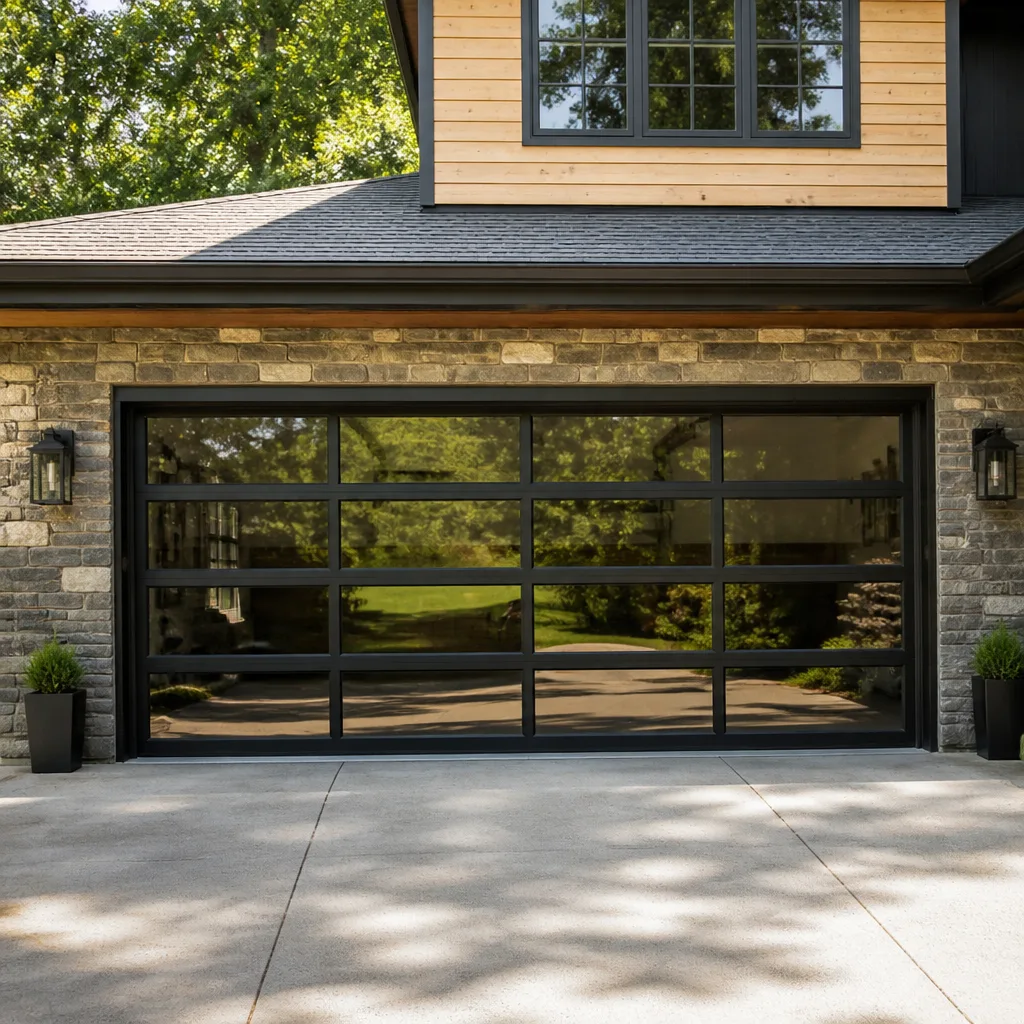 Full-view glass
 LiftMaster openers
 Chamberlain openers
Full 25-point door and opener safety check with every visit - springs, cables, rollers, tracks, and your LiftMaster or Chamberlain opener included
You get a price before we start. It does not change when the pro arrives.
Get your free estimateDIY vs Professional Garage Door: The Boulder Homeowner’s Decision Guide
Most garage door work looks more intimidating than it is. Most of it is also less doable than it looks. That contradiction is why the DIY-versus-professional question has a clearer answer for garage doors than for almost any other home repair, once you separate the tasks properly. Some jobs are genuinely within reach for a careful homeowner. Others can put you in a hospital bed. The line between them isn’t about confidence or YouTube tutorials; it’s about stored mechanical energy and electronics you can’t eyeball. This guide draws that line task by task, adds the Boulder context that changes the math on DIY, and shows you how to judge your own skill level honestly.
Quick Answer
For most Boulder homeowners, a professional is the right call for anything involving torsion springs, cables, or opener circuit boards, because those jobs carry real injury risk or require model-specific parts and diagnostics. DIY is reasonable for lubrication, safety-eye alignment, track cleaning, and swapping a battery or remote. Everything in between depends on your tools, your time, and how honest you’re willing to be about your own limits.
Styles & brands we work with
- Raised-panel steel
- Carriage house
- Modern flush
- Full-view glass
- LiftMaster openers
- Chamberlain openers
Table of Contents
- The Task-by-Task Breakdown: What You Can Do and What You Shouldn’t
- What Changes in Boulder: Altitude, Distance, and Parts
- The Real Cost of DIY Gone Wrong
- The Tools Legitimate DIY Requires
- Assessing Your Own Skill Level Honestly
- The Opener Question: Where DIY Stops
- Common Mistakes to Avoid
- When to Call a Professional
The Task-by-Task Breakdown: What You Can Do and What You Shouldn’t
Here’s the short version: routine lubrication and visual checks belong to you; springs and cables belong to a trained technician, full stop. The table below is how we’d sort it if a neighbor asked us over the fence. Maintenance tasks are safe because nothing is under load and nothing is electronic. The dangerous tasks are dangerous because a torsion spring on a standard double door stores enough energy to break bones or worse when it lets go, without warning. The grey-zone tasks are the ones where capability genuinely varies: a homeowner with proper tools and patience can sometimes handle them, but the risk of a botched adjustment is real.
What a careful homeowner can safely handle
- Lubricating hinges, rollers, and the torsion bar with the correct garage door lubricant (not WD-40).
- Cleaning and visually inspecting tracks for debris, dents, and loose bolts.
- Replacing remote batteries and re-syncing a remote to the opener.
- Realigning a safety reversing sensor that’s been nudged, using the indicator lights as a guide.
- Testing the auto-reverse function monthly by placing a roll of paper towels in the door’s path.
- Tightening visible bolts on the hinges and brackets with a socket wrench.
What requires a professional
- Torsion or extension spring replacement. The spring is under extreme tension; releasing it without the right winding bars and knowledge is the single most dangerous DIY mistake in this trade.
- Cable replacement. Cables are also under tension and can whip if released incorrectly.
- Panel replacement where the tracks, hinges, or torsion system must be rebalanced.
- Track replacement or major realignment when the door is off-level or binding.
- Opener repair beyond resetting a breaker: logic boards, gears, travel limits, and force settings.
- Any repair where the door is stuck, sagging, or making new loud noises.
The grey zone: proceed with caution
- Replacing rollers (safe if the door is fully closed and the spring tension stays put, but easy to get wrong).
- Adjusting the opener’s travel limits and force settings (doable for many homeowners, but the wrong force setting can defeat the safety reverse).
- Weatherstripping and bottom seal replacement (safe, but the door must be at the right height to seal correctly).
- Replacing a wall-mounted control button (safe if you kill the circuit first and follow the opener’s wiring diagram).
The line sits where it does for one reason: stored energy and model-specific electronics. A spring, a cable, or a mis-set force limit don’t care how careful you are, and mistakes are not recoverable mid-release. That’s why we treat the spring and cable column as non-negotiable and the maintenance column as something we encourage homeowners to do themselves.
What Changes in Boulder: Altitude, Distance, and Parts
Altitude doesn’t change how a torsion spring behaves. It doesn’t change opener force requirements in any meaningful way, and it doesn’t make garage door work harder physically for most homeowners. What does change the DIY calculation in Boulder is parts access and how long you’re willing to be without a working door.
The nearest dedicated garage door parts supplier is likely to be 30+ minutes away depending on where in Boulder you live. If you’re near Gunbarrel or up in the foothills, a single missing roller or a wrong-sized spring means a round trip that eats an afternoon. Ordering online adds a wait of days, not hours. In that window, a car with a dead opener or a door that won’t close means either parking on the street or leaving a vulnerable gap in the house.
The other factor is the climate cycle. Boulder’s freeze-thaw swings are hard on weather seals, hinges, and the balance of a door that was set up for warmer months. Springs fatigue; rollers dry out faster than they might in a milder climate. That doesn’t mean you should be doing more DIY; it means maintenance matters, and the small tasks in the safe column should actually get done.
One more thing worth saying plainly: garage doors are heavy, and the wind in Boulder can slam a partially open door if the spring has gone slack. That’s a scenario where DIY adjustments to a door that’s suddenly heavy or slow should stop immediately. Call a technician and keep the door down. If you need help locating the right specialist, our Boulder page has the details on what we cover.
The Real Cost of DIY Gone Wrong
A botched spring replacement can send a homeowner to urgent care and leave the door unusable, and the resulting repair bill is usually higher than the original professional job would have been. That’s the honest accounting. No scare tactics needed; the math works on its own.
Here’s how the most common DIY mistakes tend to play out:
- A spring that lets go while you’re winding it. The door comes down hard or the spring whips. The immediate problem becomes a door that’s out of balance, possibly with bent tracks and broken hinges from the sudden drop. You’re now looking at a full track realignment or replacement plus the spring job you didn’t want to pay for in the first place.
- Improperly re-tensioned springs. The door “sort of” works, so you leave it. A few weeks later, the opener has burned out its gearset trying to lift a door it shouldn’t have to. That’s an opener replacement on top of a spring replacement.
- A safety reverse sensor defeated to “fix” a door that won’t close. Dangerous, and a real liability if someone gets hurt or a pet is trapped. This is one of the cases where the DIY fix is worse than the original problem.
- Cable incorrectly re-seated. The door drops unevenly, one side drags, and eventually a panel cracks from the torque. The panel is a bigger expense than the cable was.
- Opener logic board replaced with the wrong part. Compatible isn’t the same as correct. Craftsman, LiftMaster, and Chamberlain openers have model-specific logic boards that look similar but aren’t interchangeable.
Professional garage door repair in a market like Boulder typically runs from modest single-task prices up to full panel or opener replacements, and we always give a written estimate before any work starts. When a DIY mistake compounds into two or three issues, the total is often well past what the original repair would have cost. That’s the trap: the cost isn’t in the parts, it’s in what the parts took down with them.
The Tools Legitimate DIY Requires
Most home toolboxes cover the safe column. The dangerous column requires specialty tools you probably don’t own, and buying them for a one-time job doesn’t make financial sense. Here’s the honest rundown.
Tools for the safe tasks
- Garage door lubricant (silicone or lithium-based, not general-purpose oil)
- Socket wrench set
- Screwdriver set (Phillips and flathead)
- Adjustable wrench
- Flashlight or work light
- Ladder tall enough to reach the torsion bar (usually a step ladder works for lubrication)
That list costs well under $100 if you don’t already own it, and it covers years of routine maintenance. Worth it.
Tools for the grey-zone tasks
- Level (for track alignment)
- Rubber mallet (for seating panels and hinge adjustments)
- Vise grips and clamps (for securing the door during roller replacement)
- Multimeter (for testing opener wiring)
Still reasonable, especially if you use these tools for other things around the house.
Tools for the professional tasks
- Winding bars. You cannot safely tension or release torsion springs without a proper pair. Improvised substitutes (screwdrivers, pry bars) are the leading cause of DIY injuries in this trade.
- Proper spring clamps or locking pliers rated for the door.
- Cable puller and crimping tools for cable jobs.
- Balance scale or torque gauge for post-install verification on spring and cable work.
Buying that last list for one job costs more than hiring a professional once, and you still won’t have the experience to use them safely the first time. If you’re uncertain whether a task falls in the safe or dangerous column, that hesitation is your answer: call a professional. If you want to talk through the specific task first, garage door repair is where we cover the range of what we handle.
Assessing Your Own Skill Level Honestly
The hardest part of DIY is knowing when you’re over your head, and most homeowners are confident at exactly the wrong moment. Here are the questions to ask yourself before you decide which side of the line you’re on.
- Have you done this specific task before, or a very similar one? Not “have you used tools” or “are you handy.” Have you actually replaced a torsion spring or wired an opener circuit board? If not, you’re learning on the job, on a system that can hurt you.
- Do you own the right tools, or would you be improvising? If the answer is improvising, stop. Winding bars are not optional, and a properly rated spring clamp is not optional.
- Can you afford to wait for parts and for a technician if it goes wrong? A mistake on a garage door usually means the door is stuck until someone with experience can get there. If you need the door working tomorrow, DIY becomes a much less attractive option.
- Are you comfortable working under load? Some people are. Most people aren’t, and honestly shouldn’t be. The spring is under enough tension that a slip is dangerous. If your hands are unsteady near loaded mechanical parts, don’t touch them.
- Does the repair involve an electronic safety function? Auto-reverse, photo-eye sensors, force limits. These aren’t just “make the door work” adjustments; they’re what stops the door from crushing something in its path. If you’re not sure how to set them correctly, call a pro.
- Will you actually finish it, or will it sit half-disassembled for a week? A partially disassembled door with the spring on is not a state you want your garage in for days.
Honest answers to those six questions usually sort the job cleanly. And here’s the other side of it: if your honest answer is “this is a lubrication job,” do it, enjoy the saved trip, and don’t feel like you’re missing something by not doing more.
The Opener Question: Where DIY Stops
A garage door opener is a surprisingly capable piece of electronics disguised as a motor, and mechanical fixes and opener fixes are two different skills. That’s why a door that stopped working often gets diagnosed wrong: the homeowner assumes the door, but the actual problem is the logic board, the safety reverse sensor, or a stripped gear inside the opener housing. The wrong assumption leads to the wrong parts order, which leads to a second failure when the right part finally shows up.
The openers you’ll find in Boulder garages are mostly from a handful of brands. LiftMaster and Chamberlain dominate on the newer side; Craftsman and Genie show up on many older doors; Raynor installs are common on homes where the door and opener were matched at build. Each of those platforms has model quirks, common failure points, and specific compatible parts. A Craftsman wall console doesn’t necessarily pair correctly with a Chamberlain opener, and the model numbers often differ by one digit. That’s not a design flaw; it’s what makes brand-specific diagnosis valuable.
Opener repair that stays in the safe DIY column:
- Replacing remote batteries and re-syncing remotes
- Resetting a tripped breaker or GFCI
- Clearing a blockage that’s preventing the safety sensors from seeing each other
- Re-pairing a wall console or keypad following the owner’s manual
Opener repair that should go to a professional:
- Diagnosing why the opener hums without moving the door (motor or capacitor)
- Replacing a logic board, gear, or drive assembly
- Reworking opener mounting, chain, or belt tension
- Any wiring inside the opener housing
- Smart-home integration that isn’t pairing correctly
This is where the “one call resolves everything” advantage is real. A door that won’t open might be a spring, a cable, a hinge, an opener, or a sensor, and the wrong part costs you time and money. That’s the core of garage door opener repair: find the actual failure before ordering anything. Free estimates, written before any work starts.
Common Mistakes to Avoid
- Trying to release or re-tension a torsion spring without winding bars. This is the mistake most likely to send someone to the emergency room. There is no safe improvised substitute for the real tool.
- Assuming a “stuck” door is a spring when it might be an opener sensor. The safety photo-eye getting knocked slightly out of alignment is a much more common cause of “the door won’t close” than a spring failure. Check the sensor indicator lights before ordering a spring.
- Lubricating tracks. Garage door tracks are supposed to be dry and clean. Lubricant in the tracks collects grit and grinds down the rollers, and in Boulder’s windy spring dust that happens faster than you’d think.
- Overriding the force setting to “fix” a door that’s suddenly slow. The force setting is a safety limit, not a performance dial. If the door is slow or heavy, something in the door has changed; the opener should not be forced to compensate.
- Buying an opener that isn’t matched to the door. A larger opener won’t fix an unbalanced door. It will instead burn out faster trying to lift a door it wasn’t meant to lift.
- Tightening every bolt you can see “just to be safe.” Some brackets and hinges have specific torque and shouldn’t be over-tightened; a stripped bolt on a hinge is a repair you created yourself.
- Assuming the nearest correct part is close. It’s likely a 30+ minute drive in Boulder, and the wrong part means doing that twice. If you’re not sure of the part number, ask a professional first.
When to Call a Professional
Call a professional if any of the following is true:
- The door is stuck open or stuck closed and you can’t identify why in the first five minutes of looking.
- You hear a loud bang from the garage and then the door gets heavy.
- The door is crooked, sagging on one side, or binding as it moves.
- The door goes up but not down, or down but not up, and the sensors look fine.
- The opener is humming, clicking, or running without moving the door.
- You’re replacing a spring, cable, or opener logic board (all professional tasks).
- You want a written quote before you commit to spending anything on parts.
Boulder Garage Door Service offers free estimates in Boulder. Our technicians have up to 9 years of experience across the full range of brands people actually own: LiftMaster, Chamberlain, Genie, Clopay, Amarr, Wayne Dalton, Craftsman, and Raynor. That means we know the model quirks and the right parts before we show up, and one call covers both the door and the opener. Call (855) 683-6002. We answer 24/7. Fast dispatch from 7am to 7pm, Sunday through Friday.
See the difference
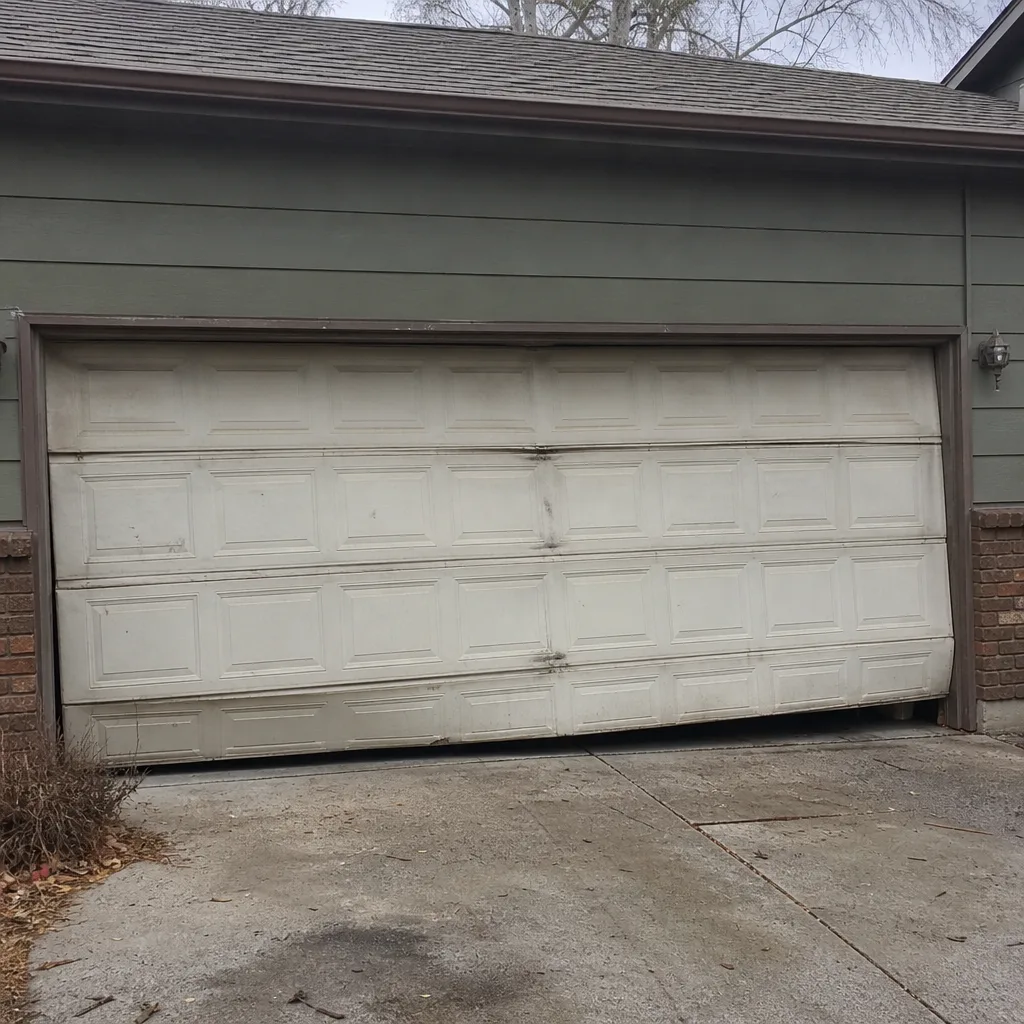 Before
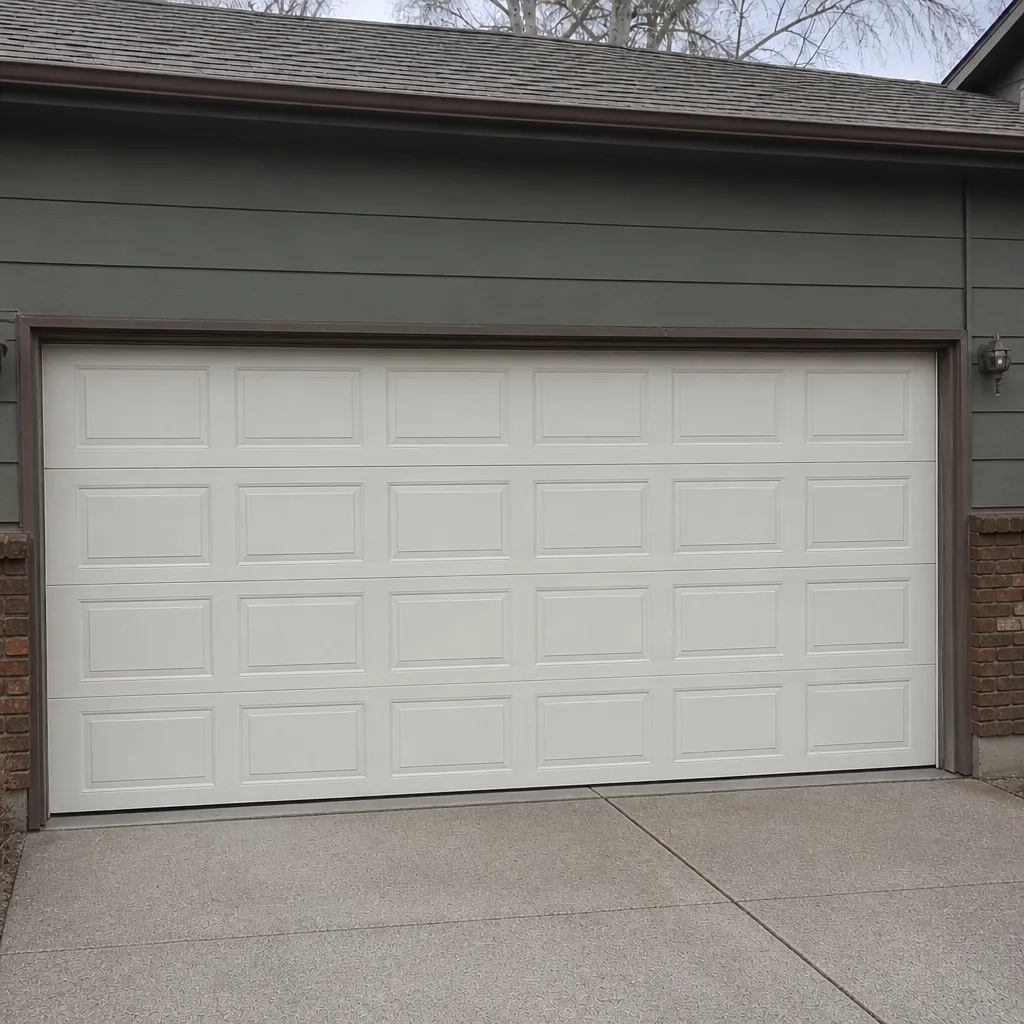 After
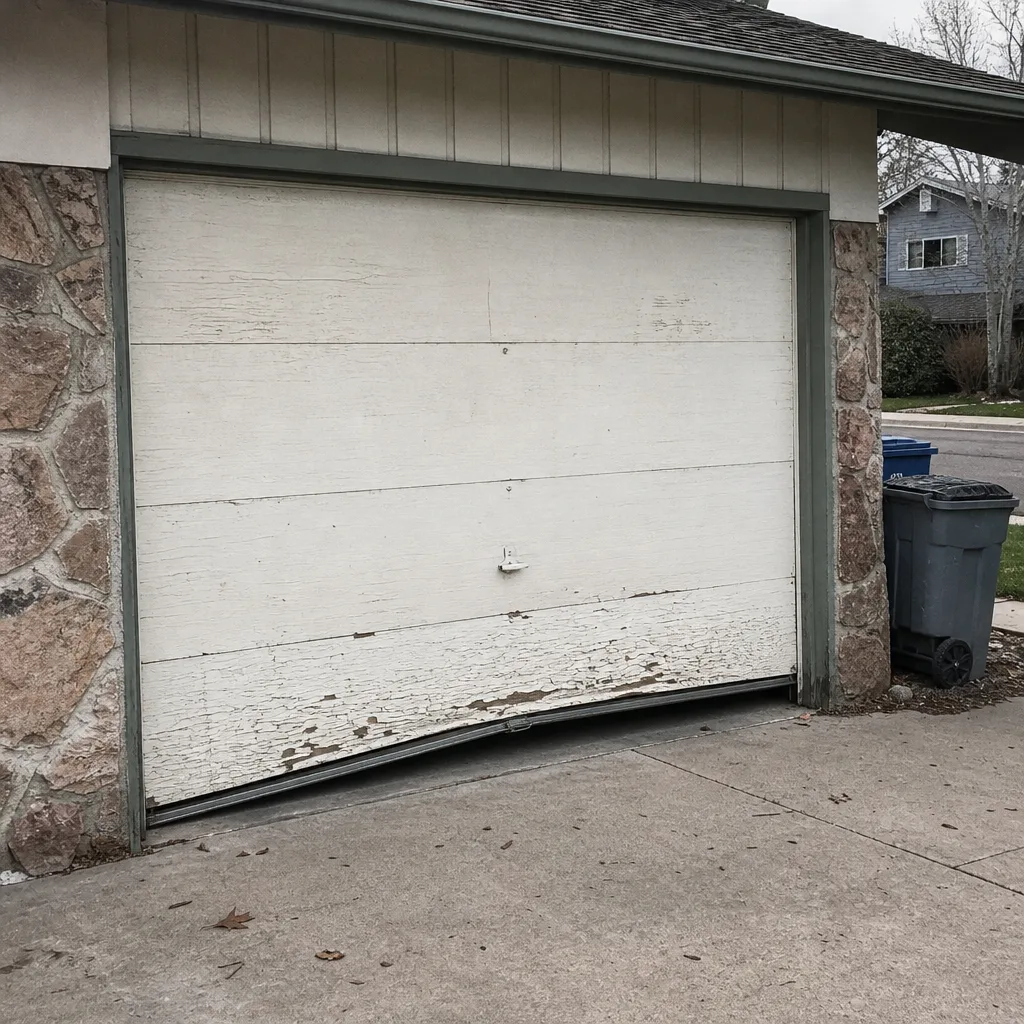 Before
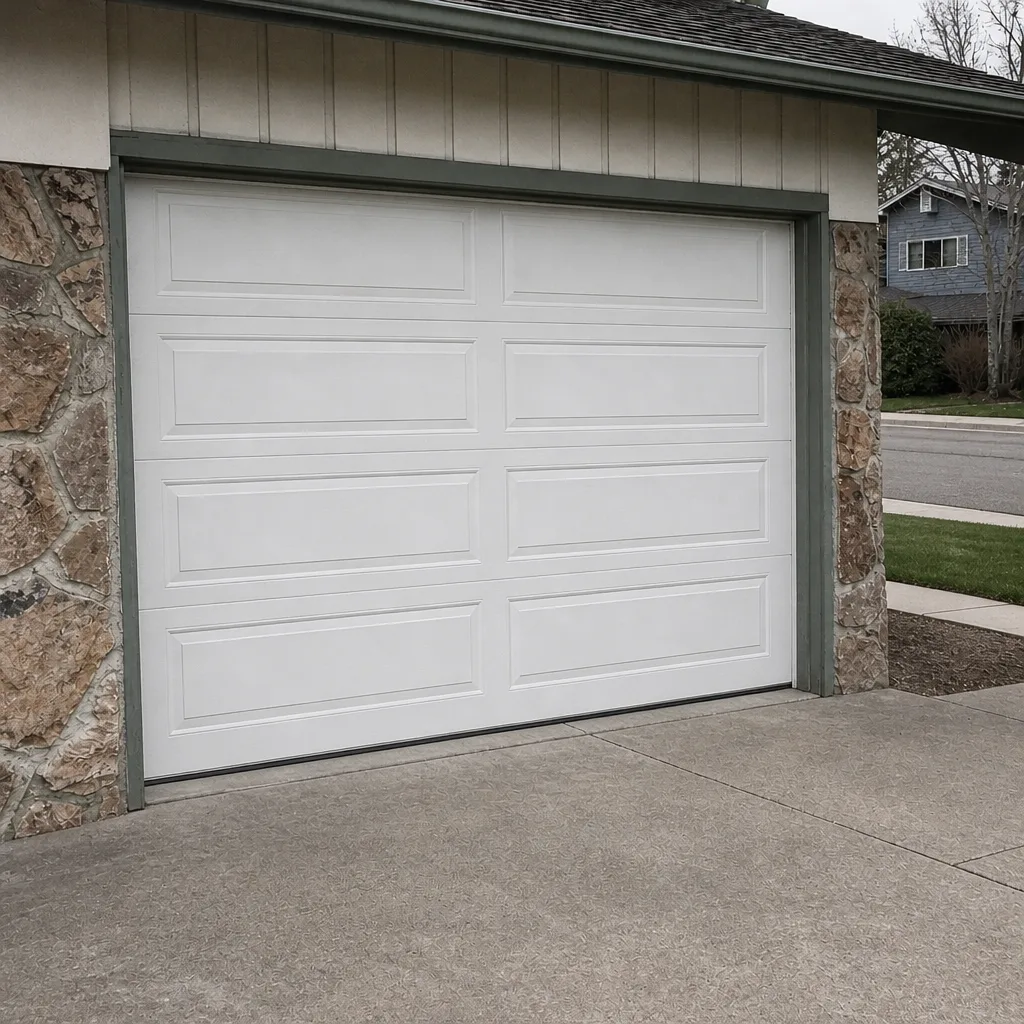 After
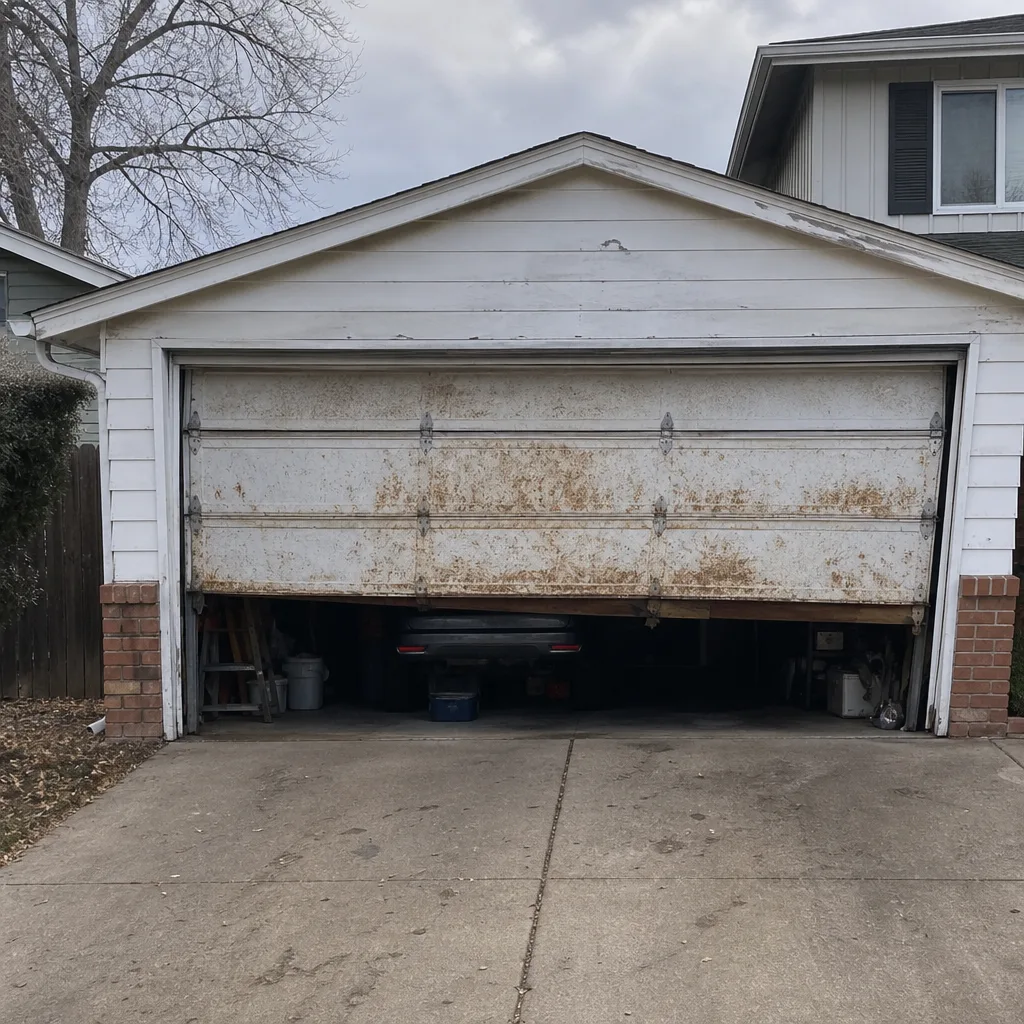 Before
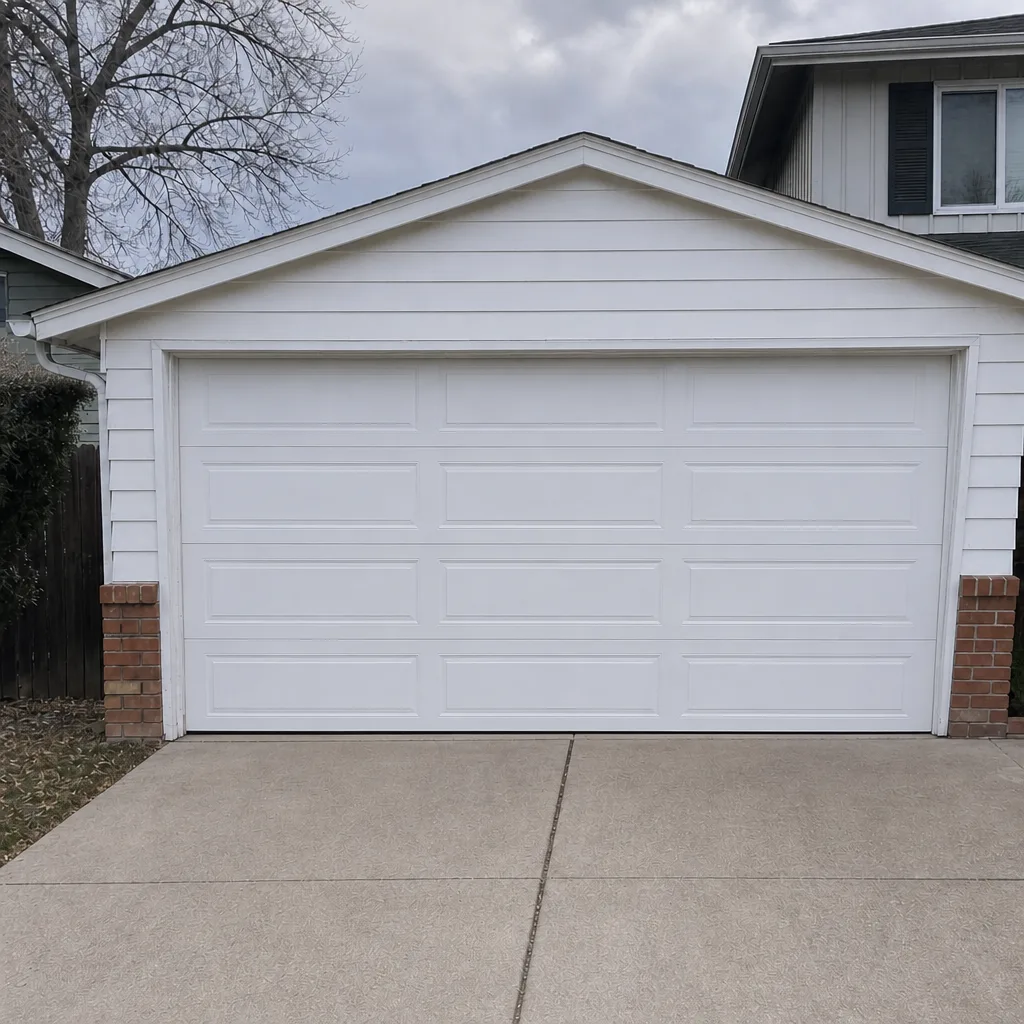 After
Frequently Asked Questions
No. Torsion spring replacement is the single most dangerous DIY garage door task and should always go to a trained professional, because the spring stores enough energy to cause serious injury if it releases unexpectedly. A standard double-door spring is under extreme tension even at rest, and the winding tools and knowledge required aren’t something you can safely acquire from a video. Call (855) 683-6002 for a free estimate on spring repair or replacement in Boulder.
Lubricating hinges and rollers, cleaning and inspecting tracks, testing the auto-reverse function monthly, tightening visible hinge bolts, and replacing remote batteries are all safe for a careful homeowner. These tasks prevent most of the wear that a Boulder freeze-thaw cycle accelerates. Anything involving springs, cables, or opener electronics is not in the DIY column; call (855) 683-6002 if you’re not sure which side of the line a job falls on.
Garage door repair pricing in Boulder is quoted per job, and typical estimates range from modest single-task repairs up to full panel or opener replacement depending on what’s failed. Repairs are set by a written estimate before any work starts, so the number you’re quoted is the number you’ll pay, and there are no upsells after the fact. Call (855) 683-6002 for a free estimate; the estimate is free and there’s no obligation.
For maintenance tasks like lubrication and sensor checks, DIY is cheaper because the tasks are simple and the parts cost is small. For spring, cable, or opener electronics work, hiring a professional is usually cheaper in the long run because DIY mistakes tend to compound into bigger repairs. The written estimate sets the price, so you know the number before anyone touches the door. Call (855) 683-6002 to talk through your specific repair.
A technician familiar with Craftsman openers will diagnose the problem fastest, because model-specific failure points and parts compatibility matter on these systems. Craftsman openers share components with a small family of compatible platforms, and knowing which is which saves time and avoids buying the wrong part. We service Craftsman alongside LiftMaster, Chamberlain, Genie, Clopay, Amarr, Wayne Dalton, and Raynor. Call (855) 683-6002 for an opener diagnostic.
You can likely find a compatible spring through a parts supplier, but the nearest dedicated garage door supplier is generally 30+ minutes away in Boulder, so a wrong part means a second trip. Spring matching depends on wire gauge, inside diameter, and length, not just the door brand, and an incorrectly matched spring will fail early or put the door out of balance. We recommend having the spring measured and installed by a professional; call (855) 683-6002 for a free estimate.
The Bottom Line
DIY vs. professional for garage doors isn’t a matter of confidence; it’s a matter of what’s safe and what’s worth your time. Routine maintenance, sensor realignment, and remote swaps are yours; springs, cables, panel replacement, and opener electronics belong to a trained technician because the risk of a mistake is high and the cost of a mistake compounds. In Boulder, the 30+ minute trip to a parts supplier and the freeze-thaw wear make that line even more worth respecting. Our technicians have up to 9 years of experience, and we cover both the door and the opener in a single visit. Call (855) 683-6002 for a free estimate. We answer 24/7. Fast dispatch from 7am to 7pm, Sunday through Friday. Specialists in the brands you already own. Installed, repaired, or replaced, one call covers it.
If you’d rather see the full picture of what we cover before you call, Boulder Garage Door Service lays out our repair, opener, and installation services.
Written by the team at Boulder Garage Door Service.